


So, you're wondering how long settlement takes in Western Australia? It’s the million-dollar question for every buyer and seller. Typically, you’re looking at a window of 28 to 90 days from the day the contract is signed.
This isn't just a waiting game. During this period, all the critical legal and financial gears turn behind the scenes to officially transfer the property from the seller to you.
Your Guide to the WA Property Settlement Timeline
Think of property settlement as the final, crucial lap in your real estate journey. It’s the behind-the-scenes dance where your settlement agent, the banks, and government bodies all come together to get the deal over the line. Knowing how this plays out from the start takes the stress out of the unknown and lets you prepare for what’s ahead.
This guide will walk you through the whole process, step by step. We'll demystify who does what and when, so you can track the journey towards getting those keys with total confidence.

Key Phases of the WA Settlement Timeline
To give you a clearer picture, let's break down the standard settlement process and the usual timeframes involved. This table shows what's happening at each stage, helping you see exactly where you are in the process.
| Phase | Typical Duration | What Happens |
|---|---|---|
| Contract to Finance Approval | 14-28 days | Your lender dots the i's and crosses the t's on your application, giving you final, unconditional approval for your home loan. |
| Finance Approval to Settlement | 14-42 days | Your settlement agent gets to work, liaising with the banks, doing all the necessary property searches, and prepping the legal transfer documents. |
| Settlement Day | 1 day | This is the big one. Funds are officially exchanged, and legal ownership of the property is transferred into your name. |
| Post-Settlement | 1-3 days | You finally get the keys! Your settlement agent then notifies the relevant authorities (like the council and water corp) of the ownership change. |
While this timeline is a great guide, remember that every property transaction is unique. Certain factors, which we'll explore next, can either speed things up or cause delays.
Navigating the Standard Settlement Process
So, you’ve signed the Offer and Acceptance contract. Congratulations! But the real work is just getting started. This is the moment your property journey shifts from an exciting agreement to a legally binding transaction, and your first step is a big one: you need to appoint a settlement agent or conveyancer.
Think of them as the project manager for your purchase. They're your advocate, handling the complicated dance between your bank, the seller’s team, and various government departments. Their job is to make sure every box is ticked on time, leaving you to focus on the packing. For a bit more background on this, our guide on the Offer and Acceptance process in Western Australia is a great place to start.
Satisfying Contract Conditions
That Offer and Acceptance contract isn’t set in stone just yet—it's conditional. This means certain milestones have to be hit before the sale is truly final. These aren’t just formalities; they’re crucial checkpoints that protect both you and the seller. In fact, the time it takes to clear these conditions is often the biggest factor in how long settlement takes.
Here are the usual conditions you'll need to meet:
- Finance Approval: This is usually the biggest hurdle. Getting unconditional approval for your home loan from the lender typically takes between 14 to 28 days.
- Building and Pest Inspections: You’ll need to get professionals in to check for any structural problems or termite activity. If they find anything significant, you may need to head back to the negotiating table with the seller.
- Other Specific Clauses: Your contract might have other unique conditions, like the seller agreeing to complete certain repairs before handing over the keys.
Meeting these conditions is like levelling up in a video game. Each one you clear gets you closer to the final boss: settlement day. The best way to stay on track is to keep in close contact with your mortgage broker and settlement agent during this phase.
The infographic below lays out the key stages you'll go through to finalise the settlement.
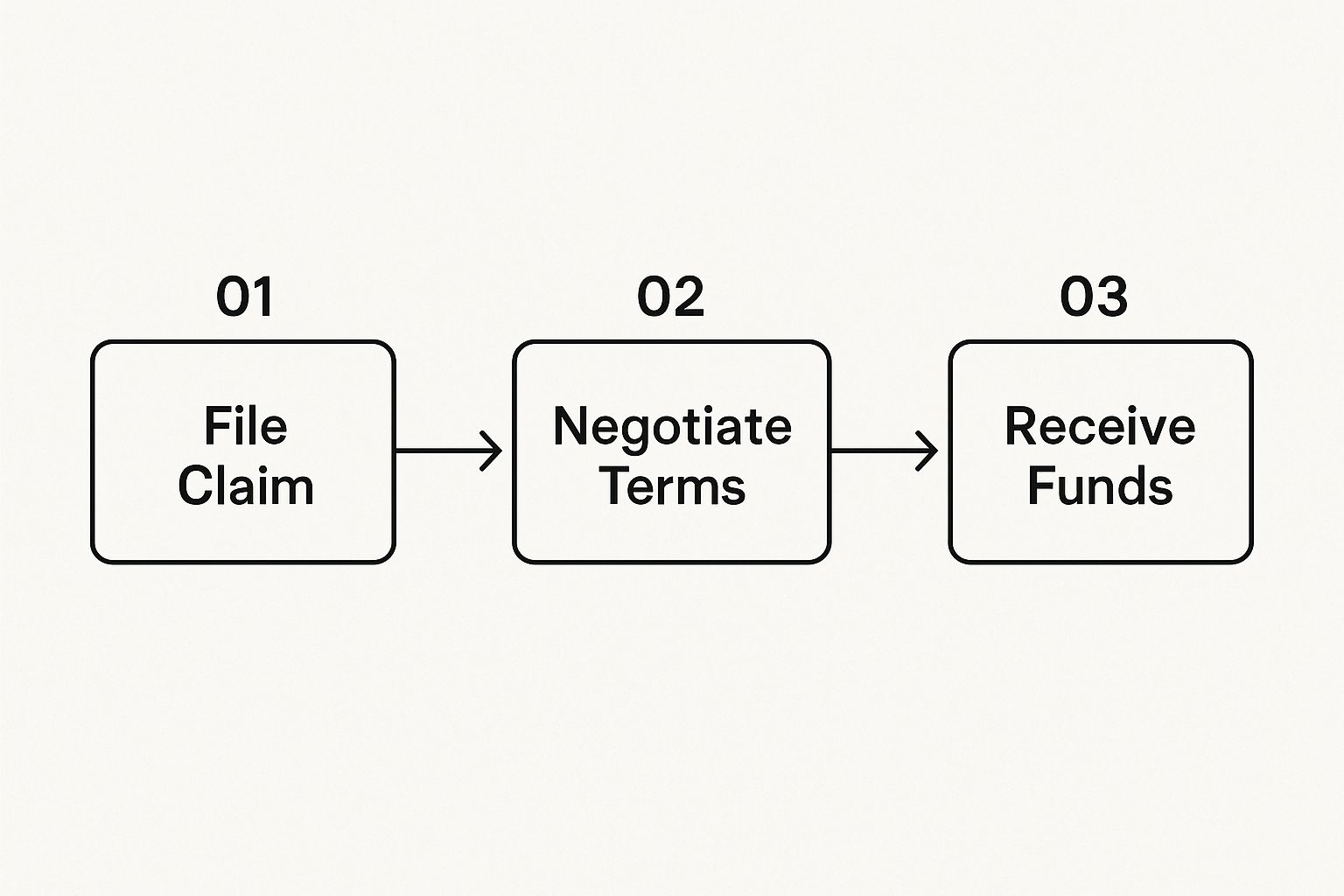
As you can see, it's a step-by-step progression—each major task needs to be completed before the next one can kick off.
The Final Steps to Getting Your Keys
Once all the conditions are met, your settlement agent really steps into the spotlight. They’ll run all the necessary property searches, draw up the legal transfer documents, and work with the banks to make sure the money is ready to go on the big day.
Your last major task before it's all official is the pre-settlement inspection. This is your final walkthrough, usually done in the week before settlement. You get to check that the property is in the same condition as when you first fell in love with it and that any agreed-upon repairs have been done. It's your last chance to ensure there are no nasty surprises waiting for you when you finally get the keys.
Why Australian Settlement Timelines Can Vary
So, how long does settlement actually take? The honest answer is: it depends. You can't just look at your own transaction in a bubble, because the timeline is always shifting based on what's happening in the wider Australian property market.
Think of it like traffic. Even if your local streets are clear, a major accident on the freeway miles away can cause delays that ripple out and affect everyone. It's the same with property. A housing boom in Sydney or Melbourne can put a serious strain on the resources of banks and conveyancers nationwide. This creates a backlog that can slow things down for everyone, even here in a more stable market like Western Australia.
Your settlement is directly connected to this national landscape. When the Reserve Bank of Australia (RBA) changes the cash rate, it often triggers a huge wave of buying and refinancing activity. This sudden flood of applications puts immense pressure on the whole system, from the mortgage brokers right through to the settlement agents, and can easily stretch out timelines across the board.

Market Demand and State Differences
On top of the national picture, every state has its own rules and market conditions that play a big part in how long things take. When a market is running hot, you can bet there’s a backlog. Every professional in the chain is juggling a much heavier workload, which means a settlement that might take four weeks in a quiet period could easily blow out to six or even eight weeks during a peak.
To give you an idea of the sheer volume, recent data showed just how busy things can get. In a single quarter, Queensland alone handled a massive 43,530 property settlements. Even with disruptions like major floods and an RBA rate cut, national settlement volumes still climbed 1.2% year-on-year.
The total value of all those transactions? A staggering $158.5 billion. When you see numbers like that, it's easier to understand how processing speeds can be affected. You can dive deeper into these figures with these fantastic settlement trend reports.
Key Takeaway: Your settlement isn't happening in isolation. It's part of a massive, interconnected national market. High volumes in the eastern states can absolutely tie up resources and affect how quickly your transaction in WA gets done.
At the end of the day, all these external factors are why settlement agents give you a range of 28 to 90 days, not a fixed date. Knowing what’s happening in the broader market helps you set realistic expectations from the start. It also highlights just how important it is to have an organised and proactive team on your side to help you navigate any potential bumps in the road.
Common Roadblocks That Can Delay Your Settlement
Knowing the typical settlement timeline is one thing, but understanding what can throw a spanner in the works is even more important. Even the most meticulously planned settlement can hit an unexpected snag.
Being aware of these potential roadblocks is the best way to keep your property purchase on track and avoid the stress of costly delays.
Most problems fall into one of three buckets: finance hiccups, issues with the property itself, or simple human error. A delay isn't just about waiting longer to get your keys; it can also trigger penalty interest clauses in your contract. This means you could be paying the seller a daily fee for every single day the settlement is late.
Last-Minute Lender Hurdles
One of the most common reasons for a delay comes from the buyer's bank. Just when you think your finance is locked in and ready to go, the lender might throw a curveball with a last-minute request for updated documents, like your most recent pay slips or bank statements. This can easily pause the whole process for days while you scramble to provide the paperwork.
Another classic hurdle is the bank's final valuation. If their assessment of the property's value comes in lower than the price you've agreed to pay, it can create a serious funding gap that has to be sorted out before settlement can happen.
Even if you have pre-approval, the bank always does its final checks right before settlement day. Any change to your financial situation—like taking out a new credit card or a personal loan—can raise a red flag and put your final approval on hold.
Property and Paperwork Problems
Issues with the property itself or its legal documents can also bring everything to a grinding halt. These problems often pop up late in the game, which only adds to the stress.
Here are a few common ones:
- Final Inspection Issues: You might turn up for your pre-settlement inspection only to find an agreed-upon repair hasn't been done, or worse, there's new damage to the property.
- Certificate of Title Complications: An unexpected caveat or encumbrance on the title can stop a clean transfer of ownership in its tracks until it’s legally cleared.
- Administrative Errors: It sounds minor, but something as simple as a misspelled name or an incorrect address on a critical document can cause it to be rejected, kicking off a frustrating and time-consuming correction process.
These roadblocks are exactly why the early stages of the contract are so crucial. While most contracts have a set settlement date, understanding all the conditions is vital. It’s also worth remembering that, unlike some other states, WA contracts don't typically have a built-in grace period. You can learn more about this by reading up on what a cooling-off period is and how it differs from these strict contractual deadlines.
How National Market Trends Impact Local Services
Ever wondered why your local settlement agent seems swamped? It's often because your property transaction isn't happening in a bubble—it's part of a much larger, interconnected national system. When the Australian property market is firing on all cylinders, the ripple effects are felt everywhere, including right here in Western Australia.
Think of it like a popular restaurant on a Saturday night. Even if your table is ready, a sudden rush in the kitchen means every single order, including yours, will take a little longer to come out. It’s the same with property. When sales surge across the country, banks, settlement agents, and government land agencies all end up operating at maximum capacity. This high volume naturally creates bottlenecks, slowing down processing times for everyone involved.

The Scale of National Settlement Activity
The sheer number of transactions moving through the system is immense. Just to give you an idea, during the 2025 fiscal year, property settlements across Australia’s five biggest states climbed to nearly 722,000. The total value of these settlements soared to an incredible $726.6 billion, a jump of 9.4% from the year before. This was partly fuelled by cash rate reductions that encouraged a flurry of borrowing activity. You can dig deeper into these national property settlement figures if you're interested.
When hundreds of thousands of files are all being processed at once, even a straightforward settlement can get caught in the queue. This isn't necessarily anyone's fault; it’s just a byproduct of a very active and complex market.
Understanding this bigger picture helps set realistic expectations. Delays aren’t always a sign of a problem with your specific file but can reflect the immense pressure on the entire industry.
The Role of Brokers and Lenders
Interestingly, the rise of non-bank lenders and the critical role of mortgage brokers can sometimes help speed things along. A sharp broker will know which lenders are currently processing applications the fastest and can help you navigate the system more efficiently. They're absolutely pivotal in helping you secure finance approval, which is often the longest and most nail-biting part of the settlement puzzle.
Ultimately, knowing how national trends trickle down to local services is key to understanding how long settlement takes. It just reinforces how important it is to be organised and to work with a proactive team who can skilfully manage your file amidst these wider market pressures.
Actionable Tips for a Smooth Settlement
While you can't control the broader market, you absolutely can influence how smoothly your own settlement goes. Staying organised and being quick to respond are your best tools for keeping everything on track and sidestepping those frustrating, last-minute delays.
Think of it like packing for a big trip—a little bit of planning upfront saves you from a world of chaos later.
Get on the Front Foot From Day One
What you do in the very beginning has the biggest ripple effect on how long settlement takes. Don't sit back and wait for things to happen; get ahead of the game with these crucial first steps:
- Secure Finance Pre-Approval: This is a non-negotiable. Before you even think about making an offer, get pre-approved by your lender. It proves to sellers you're a serious contender and massively cuts down the time needed for final loan approval.
- Choose Your Settlement Agent Early: Don’t put this off. Bringing a reputable settlement agent on board the moment your offer is accepted gives them the maximum amount of time to get started on all the necessary searches and paperwork. If you're unsure where to start, understanding why hiring a settlement agent is crucial is a great first step.
- Respond to Requests Instantly: Your lender and settlement agent are going to ask for documents. When they do, treat it with urgency. Responding in hours, not days, prevents that last-minute scramble that can easily jeopardise your finance or push out your settlement date.
Your most powerful tool is clear and constant communication with your team—your mortgage broker, your settlement agent, and your real estate agent. A quick phone call or email can sort out a minor hiccup before it snowballs into a major delay.
Finally, book your pre-settlement inspection as early as the contract allows. This gives you a comfortable buffer to sort out any issues with the seller, without the pressure of a looming deadline. By being organised and communicative, you take control of the timeline.
Common Questions About WA Property Settlements
Jumping into the world of property settlement often brings up a few questions. It's a process with a lot of moving parts, so it's completely normal to wonder about the "what ifs." Here are some clear, straightforward answers to the questions we hear most often from Perth buyers and sellers.
Can We Change the Settlement Date?
Yes, the settlement date isn't set in stone, but changing it requires everyone to be on the same page. Both the buyer and the seller have to agree to the new date.
This is usually handled by your settlement agents, who will draw up a formal document called a "variation of contract" for everyone to sign. Life happens, and common reasons for a change include a last-minute hiccup with finance approval or simply needing a bit more time for personal logistics.
What Happens if Settlement Gets Delayed?
If one party is responsible for a delay past the agreed-upon date, the other party can usually charge penalty interest for each day the settlement is late. This isn't an automatic punishment; it's a standard clause written into most Offer and Acceptance contracts to be fair to the person who's been held up.
Think of it as compensation for the inconvenience and any extra costs the delay might cause, like additional rent or storage fees.
Good to Know: A short delay won't automatically cancel the deal. However, if the delay becomes significant and one party issues a default notice that isn't sorted out, it can give the other party the right to terminate the contract and potentially seek damages.
Who Actually Goes to the Settlement?
This is a common question, and the answer surprises many people: you don't! In today's world, you don’t have to physically show up to a meeting room. This is exactly what you hire your settlement agent for.
The whole process is managed electronically on a secure online platform called PEXA (Property Exchange Australia).
Your settlement agent, the seller's agent, and representatives from both banks all log into a shared digital workspace. From their own offices, they run the final checks, coordinate the transfer of funds, and lodge the legal documents with Landgate to officially transfer ownership. It's all done seamlessly behind the scenes.
Thinking of selling or buying in the Mandurah area? At David Beshay Real Estate, we provide the expert guidance you need to make your property journey a success. For a free, no-obligation appraisal of your home's current market value, get in touch with us today.


Pingback: Selling Property with Tenants in Mandurah WA Guide - David Beshay Real Estate - Beshay Realty