


Buying a home in Australia is a significant milestone, but a property's true condition lies beneath its styled facade. A fresh coat of paint can hide a multitude of expensive problems, from foundation issues to faulty wiring. This is where a methodical inspection becomes your most powerful tool, transforming a potentially stressful purchase into a confident investment. For buyers in Mandurah, Perth, or anywhere across the country, understanding what to look for is the first step towards securing a sound property.
Our comprehensive home inspection checklist for Australia is designed to guide you through the critical areas that demand scrutiny. It moves beyond the cosmetic appeal and focuses on the structural and systemic health of a property, ensuring you move forward with clarity and confidence. We will break down the eight most crucial zones of a property, providing you with actionable insights and region-specific advice, so you can make an informed decision and protect your investment for years to come.
This detailed guide is your pre-purchase deep-dive, covering everything from the foundational integrity to the safety of electrical and plumbing systems. Whether you are a first-time home buyer in Western Australia or a seasoned investor, this checklist will equip you with the knowledge to identify potential red flags. From the roofline in tropical Queensland to the foundations on Adelaide's reactive soils, this guide will help you assess a property's true worth and long-term viability. We'll explore structural integrity, roofing, electrical and plumbing systems, pest presence, HVAC functionality, external weatherproofing, and critical safety compliance, giving you a complete picture before you commit.
1. Structural Integrity and Foundation Assessment
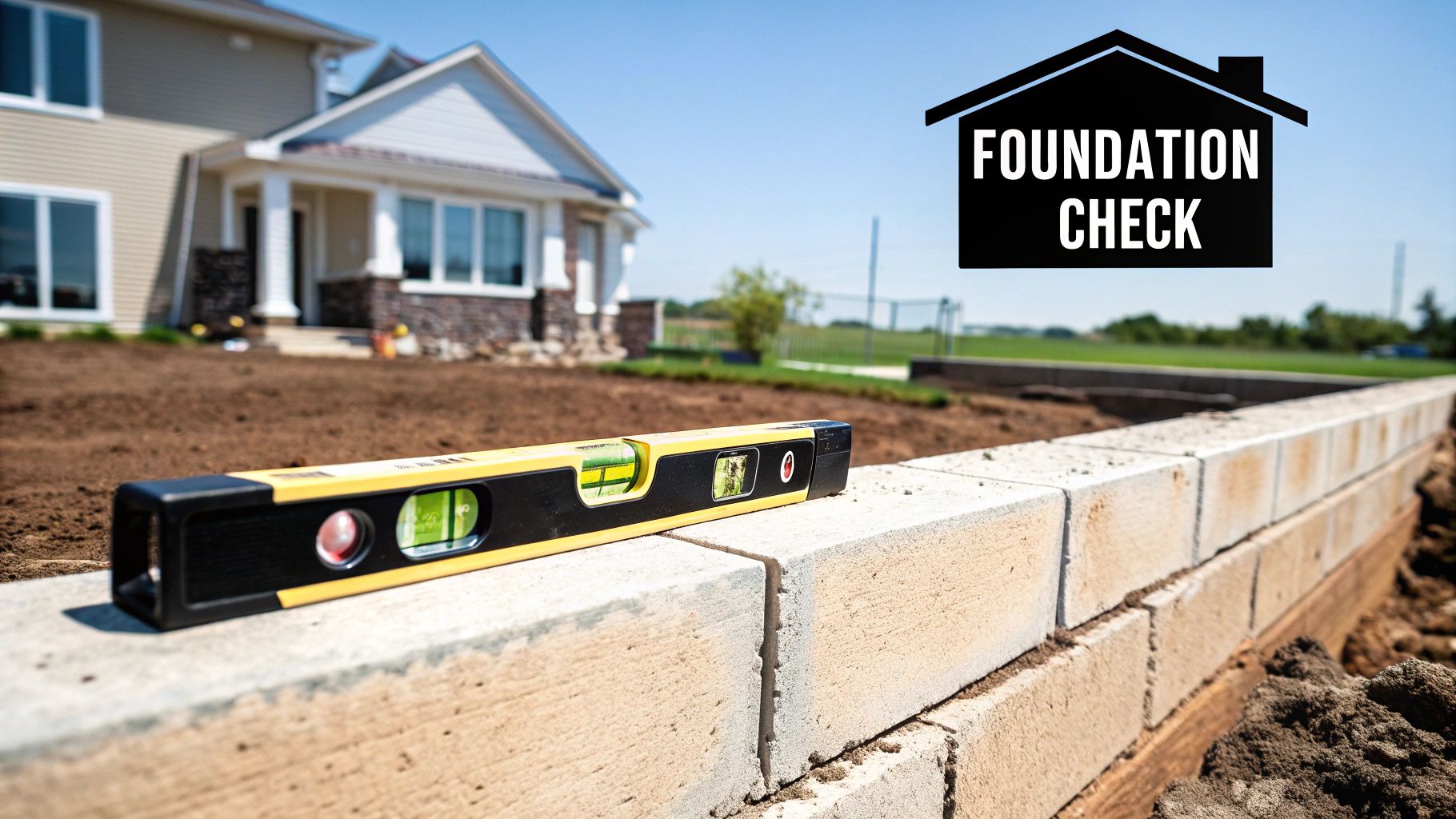
The absolute cornerstone of any property inspection is a thorough evaluation of its structural integrity. This foundational check goes beyond superficial aesthetics, delving into the very skeleton of the house to ensure it is stable, safe, and built to last. It involves a comprehensive assessment of everything from the foundation slab or stumps right up to the roof frame, identifying any defects that could compromise the building's safety and lead to exorbitant repair costs down the track. This is a critical first step in any comprehensive home inspection checklist Australia has to offer.
A professional inspector will meticulously examine load-bearing walls, support beams, and the overall framework for signs of stress, deterioration, or movement. Ignoring these core elements can turn a dream home into a financial nightmare, making this assessment non-negotiable for any prospective buyer.
Why It's Crucial for Australian Properties
Australia's diverse and often harsh climate places unique stresses on buildings. The reactive clay soils found in areas like Melbourne and Adelaide can cause significant foundation subsidence, leading to cracked walls and uneven floors. In Queensland and northern New South Wales, the high humidity and threat of termites make timber-framed structures particularly vulnerable to damage that can silently eat away at a home's core strength. Similarly, homes in cyclone-prone regions of Northern Australia require specific roof bracing and tie-downs to withstand extreme weather, and an inspection must verify these are present and correctly installed.
Actionable Inspection Tips
While a professional building inspector is essential, you can perform a preliminary check to spot potential red flags during an open home. These observations are crucial for both your initial assessment and for your more detailed final property inspection before settlement.
- Look for Cracks: Don't just glance at walls. Look closely for hairline cracks, especially jagged or diagonal ones spreading from corners of windows and doors. These can indicate settlement or structural movement.
- Check Doors and Windows: Do doors and windows stick or have uneven gaps around their frames? This is often a tell-tale sign that the house has shifted.
- Examine External Walls: Walk around the exterior and look for any bulging, bowing, or leaning in the brickwork or cladding.
- Use a Spirit Level: Take a small spirit level with you to check floors for noticeable slopes, which could point to foundation issues.
2. Roofing and Guttering System Evaluation
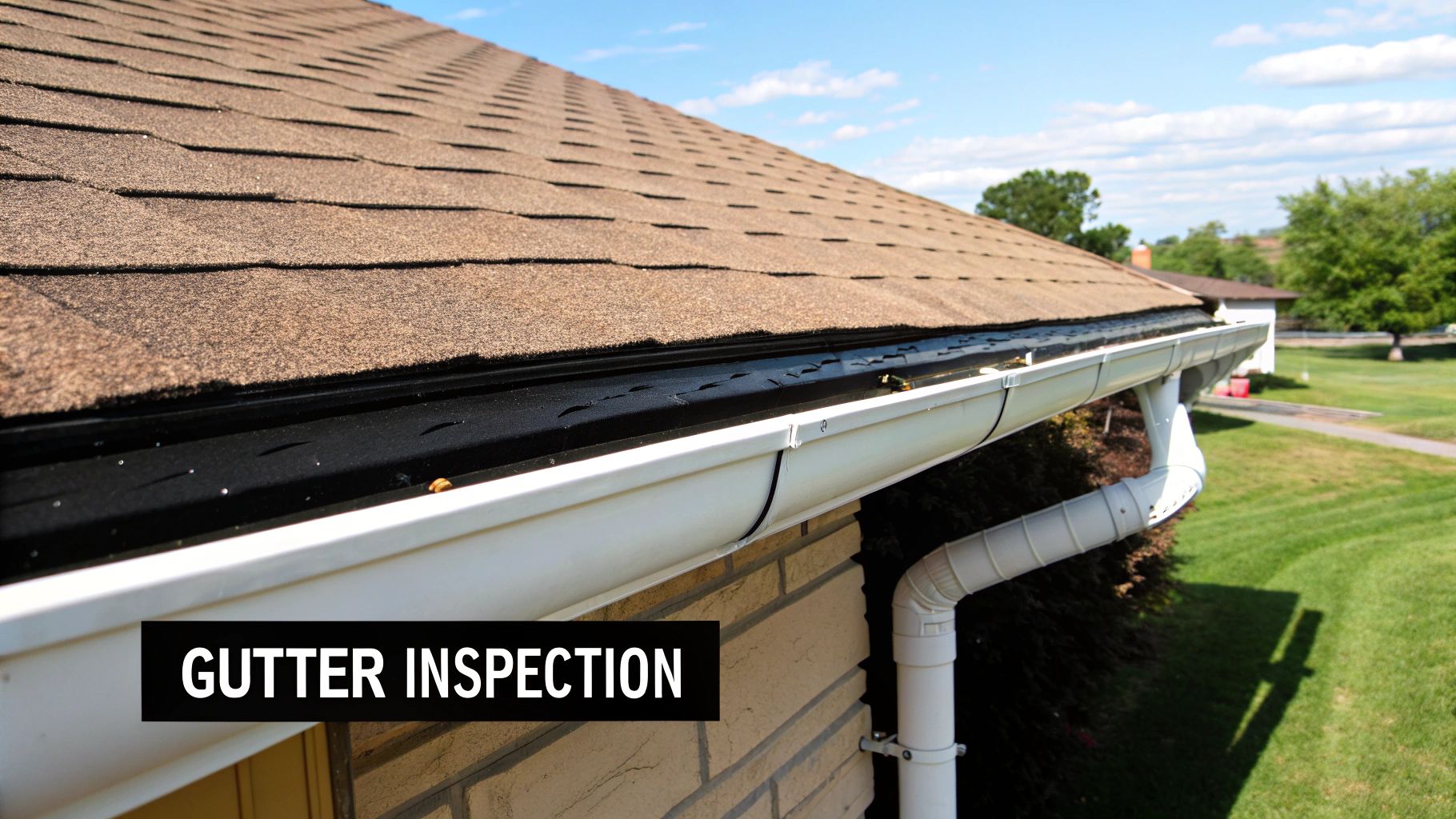
A home’s roof is its first line of defence against the elements, making a thorough evaluation of the entire roofing and guttering system a non-negotiable part of any inspection. This assessment goes beyond a quick glance, involving a detailed check of the roof covering, gutters, downpipes, flashing, and overall drainage. It’s about ensuring the property is protected from water ingress, which can lead to costly structural damage, mould, and ceiling decay. A sound roof is paramount, making this a vital component of any home inspection checklist Australia relies on.
An inspector will assess for signs of ageing, damage, and improper installation. From cracked tiles to rusted metal sheets and blocked gutters, even minor issues can escalate into major problems, potentially affecting insurance claims and the home's long-term viability.
Why It's Crucial for Australian Properties
Australia's climate subjects roofing systems to extreme conditions. The intense sun can degrade materials like asphalt shingles and sealants, while coastal properties in areas like NSW and Queensland face corrosive salt air that accelerates rust on Colorbond or galvanised iron roofs. In Victoria and South Australia, older terracotta and slate tiles can become brittle and crack, especially after significant temperature shifts. Furthermore, the torrential downpours common during storm season across the country can quickly overwhelm inadequate or blocked guttering, causing water to flow back into the eaves and ceiling cavities. Hailstorms, particularly in regions like Brisbane and Sydney, can cause significant impact damage that compromises the roof's integrity.
Actionable Inspection Tips
A professional inspection is crucial for safety and accuracy, but you can spot warning signs from the ground during an open home. Knowing what a professional looks for can help you understand the potential building inspection cost in Perth and the value it provides.
- Look for Water Stains: Inside the home, check ceilings and the cornices where the wall meets the ceiling. Any discolouration or peeling paint is a classic sign of a roof leak.
- Check Gutters and Downpipes: Look for signs of rust, sagging, or water overflowing down external walls. Debris build-up in gutters is a red flag for poor maintenance.
- Use Binoculars: Safely inspect the roof from ground level. Look for missing, cracked, or slipped tiles. On a metal roof, scan for areas of rust or lifted sheets.
- Examine Flashing: Pay attention to the metal flashing around chimneys, vents, and skylights. This is a common point of failure, so look for any gaps, rust, or sealant that has pulled away.
3. Electrical System Safety and Compliance Check
A safe and compliant electrical system is a non-negotiable aspect of a secure home. This part of the inspection involves a comprehensive assessment of the entire electrical installation, from the main switchboard and wiring to safety switches and power points. Its purpose is to identify any outdated, non-compliant, or potentially hazardous electrical work that could pose a risk of fire or electric shock. A detailed electrical check is a fundamental component of any robust home inspection checklist Australia provides, ensuring the property meets current safety standards.
An inspector will scrutinise the switchboard for modern safety devices like RCDs, check the condition and type of wiring throughout the property, and test the functionality of outlets and lighting. Overlooking these details can lead to significant safety hazards and expensive rectification work, making it a critical focus for any potential home buyer.
Why It's Crucial for Australian Properties
Many Australian homes, particularly those built before the 1990s, may have outdated and potentially dangerous electrical systems. For example, older heritage homes in suburbs like Adelaide or inner-city Melbourne might still contain old vulcanised rubber or even knob-and-tube wiring, which deteriorates over time and presents a serious fire risk. Similarly, many 1970s brick veneer homes in areas like Perth were built before Residual Current Devices (RCDs) were mandatory, leaving residents without crucial protection against electric shock. Identifying these legacy systems is vital for safety and for budgeting the necessary upgrades to meet modern Australian Standards (AS/NZS 3000).
Actionable Inspection Tips
While a licenced electrician or building inspector must conduct the official checks, you can spot several warning signs during your initial walk-through. These observations can highlight areas needing professional attention.
- Inspect the Switchboard: Open the switchboard (if safe to do so) and look for RCDs or safety switches. These will have a "Test" button. A modern board should have them protecting all power and light circuits. Old ceramic fuses are a major red flag.
- Test Power Points: Bring a simple socket tester (available at hardware stores) to check if outlets are correctly wired and earthed.
- Look for Physical Signs: Check for any discoloured, scorched, or buzzing power points or light switches, which indicate overheating or faulty connections.
- Check for DIY Wiring: Look for exposed wires, messy cabling, or electrical tape used for connections, especially in roof spaces or under the house. These are signs of illegal and unsafe DIY electrical work.
4. Plumbing and Water System Inspection
A functional and leak-free plumbing system is vital for a home's health and liveability. This part of the inspection involves a thorough evaluation of all water-related systems, from the mains supply and hot water unit to drainage, gutters, and downpipes. An inspector will assess water pressure, the condition of pipes and fixtures, and look for any current or past evidence of leaks, which can lead to significant water damage, mould growth, and costly repairs. A detailed review of the plumbing is a non-negotiable part of any robust home inspection checklist Australia.
Issues with plumbing can remain hidden behind walls or under floors for years, silently causing structural decay and health hazards. A professional assessment identifies these hidden risks, ensuring the property’s water and drainage systems are compliant with Australian standards and free from major defects that could turn into a financial flood for the new owner.
Why It's Crucial for Australian Properties
Australia's varied property ages and environmental conditions create specific plumbing challenges. Older homes, particularly pre-1960s properties in cities like Sydney and Melbourne, may still have original lead or galvanised steel pipes that are prone to corrosion and can pose health risks. In established suburbs with large trees, such as those in Perth or Adelaide, invasive tree roots frequently cause blockages and damage to older clay drainage pipes, leading to serious sewerage issues. Coastal properties, like those in Mandurah, often experience accelerated corrosion of metal pipes and hot water systems due to the salty air, requiring vigilant inspection.
Actionable Inspection Tips
While a licensed plumber should conduct the final detailed inspection, you can spot several warning signs during your initial walk-through. These observations can highlight areas of concern to raise with your professional inspector.
- Test Water Pressure: Turn on multiple taps at once (e.g., kitchen sink and a shower) to see if there's a significant drop in pressure, which could indicate blockages or pipe sizing issues.
- Check for Stains and Dampness: Look for water stains, discolouration, or a musty smell on ceilings, walls (especially below bathrooms), and inside cabinets under sinks.
- Inspect Fixtures: Flush all toilets to ensure they work correctly and check for any rocking or movement at the base. Gently wiggle taps to check if they are loose.
- Examine the Hot Water System: Look at the hot water unit for any signs of rust, corrosion, or leaks. Check the compliance plate for its age, as most units have a lifespan of 10-15 years.
5. Pest and Termite Damage Assessment
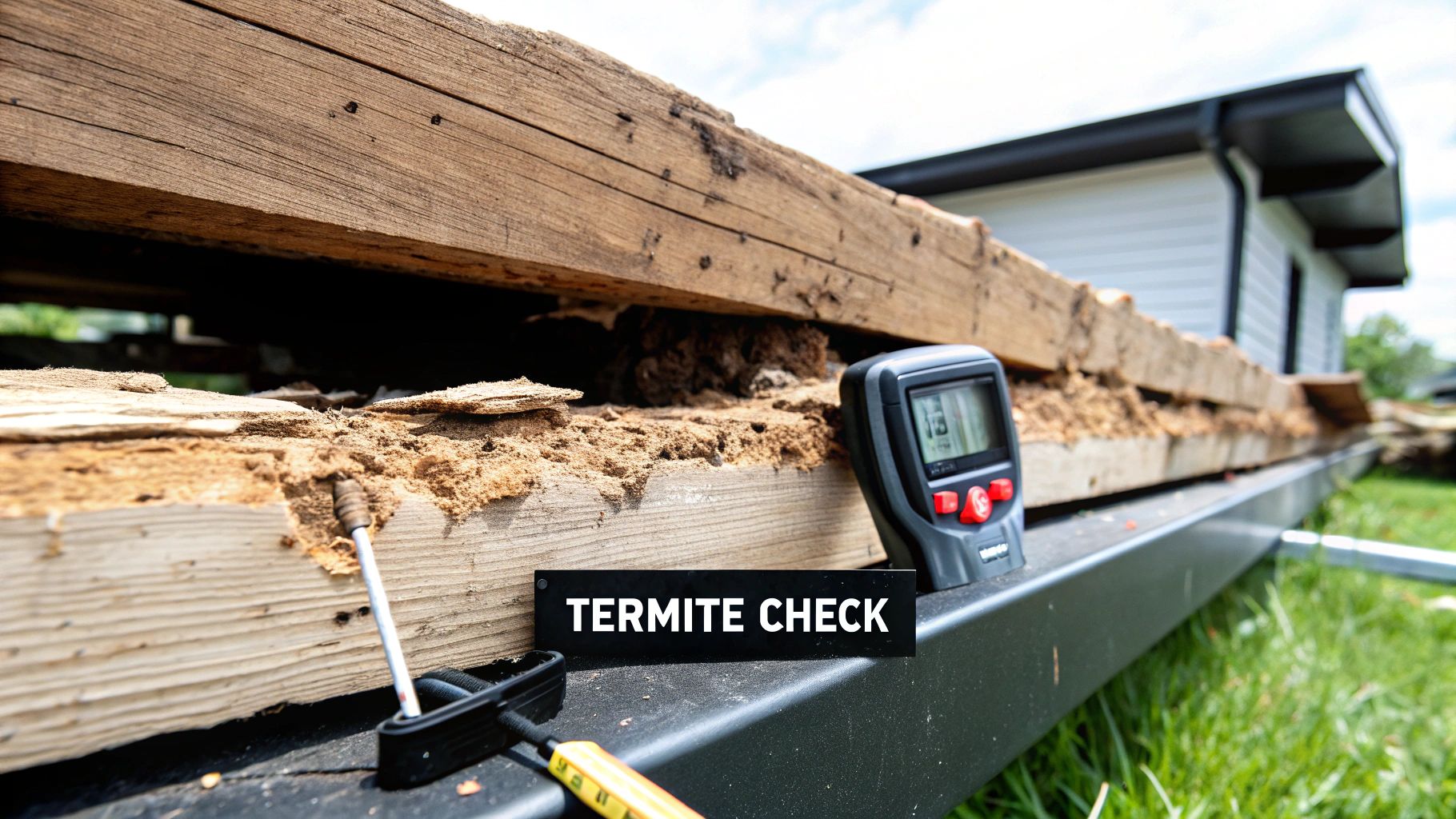
A standard building inspection often overlooks one of the most significant threats to Australian homes: timber pests. A specialised pest and termite damage assessment is a non-negotiable component of a thorough property evaluation, focusing on identifying the presence of termites, wood borers, and fungal decay (wood rot). These destructive organisms can cause extensive and hidden damage, silently compromising a home's structural integrity and leading to catastrophic repair bills. This check is a vital part of any home inspection checklist Australia wide.
An expert pest inspector uses specialised tools like moisture meters and sounding devices to detect activity that is often invisible to the naked eye. Given that around one in three Australian homes will be affected by termites at some point, skipping this assessment is a significant gamble that few prospective buyers can afford to take.
Why It's Crucial for Australian Properties
Australia's climate creates a perfect breeding ground for timber pests, particularly the highly destructive subterranean termites. In warm, humid regions like Queensland and the Northern Territory, aggressive species such as Coptotermes can destroy timber framing and roof trusses in a matter of months. Even in cooler climates, such as Tasmania, heritage timber homes are susceptible to borer damage and fungal rot. Homes in Perth and other sandy coastal areas are also at high risk, where conducive conditions like timber-to-soil contact or concealed water leaks can invite a termite infestation. Verifying the presence and condition of a termite barrier system is also a critical part of this inspection.
Actionable Inspection Tips
While you must hire a licensed pest inspector for a definitive report, you can look for preliminary warning signs during an open home. These clues can help you decide if it's worth proceeding with a professional inspection.
- Search for Mud Tubes: Look for thin, mud-like tunnels on foundation walls, piers, and along pipes. Termites build these tubes to travel from the soil to the timber in your home.
- Tap on Timber: Gently tap on skirting boards, door frames, and window sills. If they sound hollow, papery, or unusually dull, it could indicate termites have eaten the timber from the inside out.
- Look for Frass: Check for small piles of fine, sawdust-like material, known as frass. This is the excrement of wood-boring insects and is a clear sign of an active infestation.
- Examine High-Moisture Areas: Pay close attention to areas around bathrooms, laundries, and kitchens. Leaking pipes and poor ventilation create the damp conditions that termites and wood rot thrive in.
6. Heating, Ventilation and Air Conditioning (HVAC) Assessment
Ensuring a home is comfortable year-round is paramount, making a detailed assessment of its heating, ventilation, and air conditioning (HVAC) systems a crucial part of any inspection. This check involves more than just flicking a switch; it's a comprehensive evaluation of all climate control systems to confirm they operate efficiently, safely, and are correctly sized for the property. From ducted systems to split systems and evaporative coolers, this part of a home inspection checklist Australia verifies that the home's climate is manageable and the equipment is in good working order.
A professional inspector will test the performance of each unit, check for signs of poor maintenance, and assess the adequacy of ventilation throughout the home. Overlooking a faulty air conditioner or an inadequate exhaust fan can lead to uncomfortable living conditions, expensive energy bills, and costly future repairs or replacements.
Why It's Crucial for Australian Properties
Australia's climate extremes, from the sweltering summers of Perth to the chilly winters of Canberra, make reliable HVAC systems a necessity, not a luxury. An effective evaporative cooling system is essential for managing the dry heat in Adelaide homes, while ducted reverse-cycle systems are a common standard in modern Sydney apartments for year-round comfort. In the humid, subtropical climate of Brisbane, proper ventilation, especially through effective bathroom and kitchen exhaust fans, is critical to prevent mould growth and moisture-related damage.
An inspection must confirm these systems are not only functional but also appropriate for the local climate and the home's specific design. A system that is struggling to perform will not only fail to keep you comfortable but will also consume excessive energy.
Actionable Inspection Tips
While a qualified technician should perform a detailed HVAC assessment, you can conduct a preliminary check to identify obvious issues. If you do find problems, understanding how to find reliable local tradespeople will be essential for getting quotes and carrying out repairs.
- Test All Functions: Turn on both heating and cooling functions on all systems. Let them run for at least 10-15 minutes to ensure they reach and hold the desired temperature.
- Check Airflow and Controls: Test every zone in a ducted system and ensure air is flowing strongly from all vents. Check that thermostats and remote controls are responsive.
- Inspect Outdoor Units: Look at the external condenser unit for air conditioners. Check for rust, damage, or obstructions like overgrown plants that could restrict airflow.
- Verify Ventilation: Turn on all exhaust fans in bathrooms, laundries, and kitchens. Ensure they are extracting air effectively and are not excessively noisy, which could indicate a failing motor.
7. Windows, Doors and External Weatherproofing
The windows and doors of a property are more than just entry points and sources of light; they are critical components of the building's envelope, responsible for security, energy efficiency, and protection against the elements. A thorough inspection of these external openings evaluates their operational condition, the integrity of their frames and glazing, and the effectiveness of their weatherproofing systems. This ensures they function correctly and don't create vulnerabilities to water ingress, drafts, or security breaches.
From sliding glass doors to casement windows, each opening must be assessed for its ability to withstand environmental pressures and provide a secure seal. This part of a home inspection checklist Australia is vital for evaluating a home's overall comfort, running costs, and resilience against weather events, making it a key area of focus for any diligent buyer.
Why It's Crucial for Australian Properties
Australia's varied climates present distinct challenges for windows and doors. In coastal areas like Queensland or Western Australia, salt-laden air can corrode aluminium frames and metal hardware, leading to operational failure and a compromised seal. In windy southern cities like Melbourne or Adelaide, inadequate weather stripping around doors and windows can result in significant drafts, driving up heating costs and reducing indoor comfort. Furthermore, homes in high-risk bushfire zones must have windows and doors that comply with specific Australian Standards (AS 3959) to prevent ember attack, a check that is critical for safety and insurance purposes. Identifying failed double-glazing seals is also common in places with extreme temperature fluctuations, like Canberra, which severely impacts thermal performance.
Actionable Inspection Tips
While an inspector will conduct a detailed technical assessment, you can easily spot common issues during an initial walk-through. These observations will help you gauge the condition of these crucial building elements.
- Test All Mechanisms: Systematically open, close, lock, and unlock every window and door. Note any that are stiff, stick, or have loose or broken hardware.
- Check for Gaps and Drafts: Look for visible light around the frames. On a windy day, you can often feel drafts, or you can carefully use a lit incense stick to see if the smoke is disturbed by air movement.
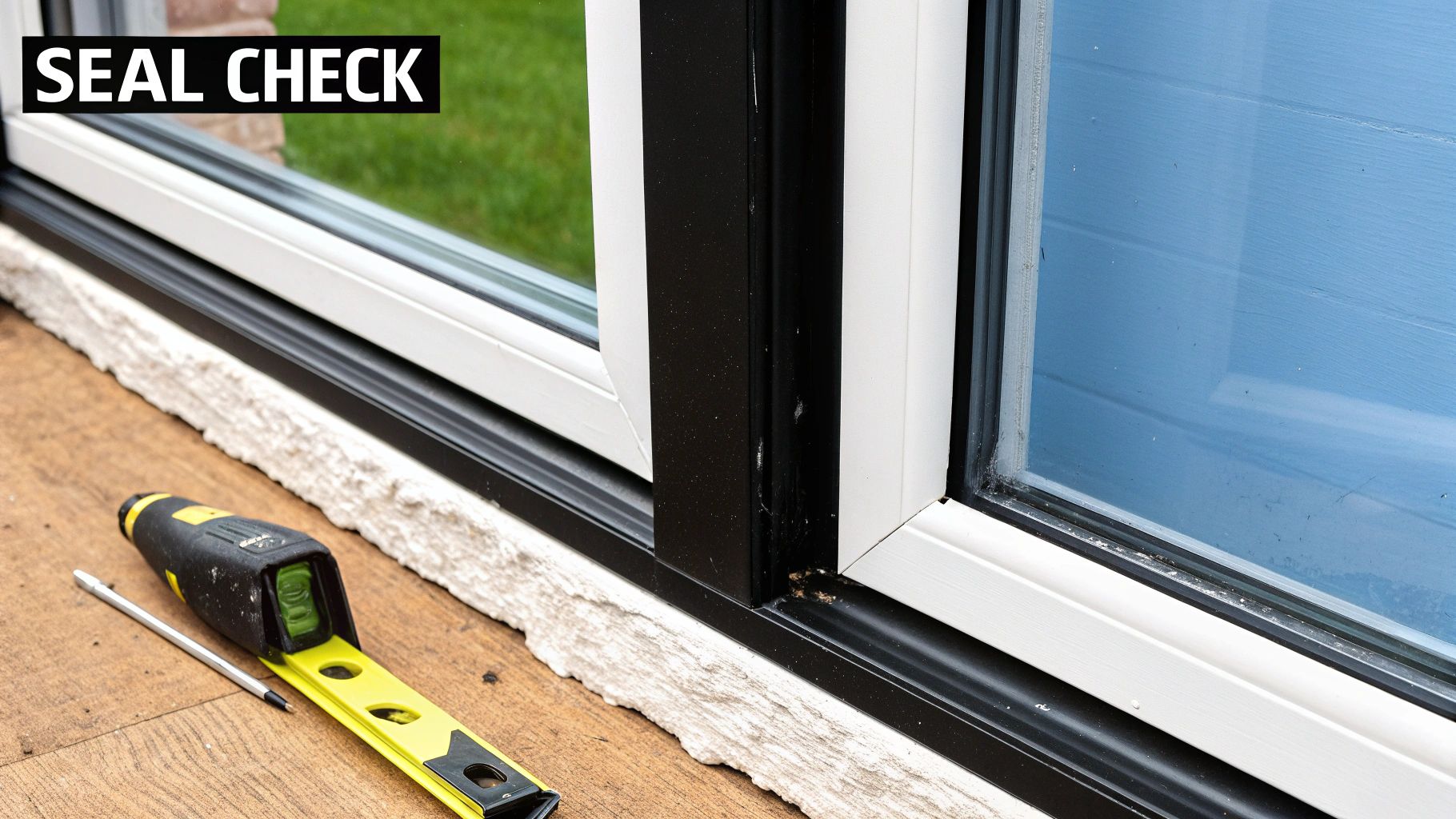
- Examine Weatherseals: Inspect the rubber or foam seals around all openings. Look for signs of deterioration such as cracking, brittleness, or separation from the frame, as these indicate a failed seal.
- Look for Condensation: In double-glazed units, check for any fogging, haziness, or moisture trapped between the panes of glass. This is a clear sign that the seal has failed and the window's insulating properties are compromised.
8. Safety Systems and Compliance Verification
A home's liveability extends beyond its structure and aesthetics; it hinges on the proper functioning of its safety systems and adherence to legal standards. This crucial check involves a thorough inspection of all mandatory safety features, including smoke alarms, security systems, and pool fencing, ensuring they meet the stringent requirements of Australian building codes and local council regulations. It's a non-negotiable part of any home inspection checklist Australia relies on to protect occupants and ensure legal compliance for the owner.
An inspector will verify that all safety installations are not only present but are also correctly installed, operational, and up-to-date. Overlooking these elements can expose residents to significant risks and leave a new homeowner liable for non-compliance fines and costly mandatory upgrades.
Why It's Crucial for Australian Properties
Australia has specific, state-based legislation governing residential safety systems, which has evolved significantly over the years. For instance, Queensland legislation now mandates interconnected photoelectric smoke alarms in all bedrooms and hallways of residences. In states like Western Australia and New South Wales, stringent pool safety regulations require compliant fencing and self-latching gates to prevent tragic childhood drownings. Furthermore, older homes may contain outdated wiring without modern safety switches (RCDs) or use glazing in windows and doors that doesn't meet current Australian Standards for safety glass, posing a serious injury risk.
Actionable Inspection Tips
While an inspector will conduct a formal compliance check, you can perform several preliminary safety verifications during your walkthrough. These initial checks will help you identify immediate concerns and flag specific areas for your professional inspector to focus on.
- Test Smoke Alarms: Press the 'test' button on each smoke alarm. Check for a manufacturing date, as alarms should typically be replaced every 10 years.
- Inspect Pool Fencing: If there's a pool, check that the fence is at least 1.2 metres high, with no climbable objects nearby. Ensure the gate self-closes and self-latches effectively from any position.
- Look for Safety Switches: Locate the switchboard and check for the presence of RCDs or safety switches. They will have a 'test' button, distinguishing them from regular circuit breakers.
- Check for Safety Glass: Look for a small, etched stamp in the corners of glass panels in doors, bathrooms, and low-level windows. This mark indicates it is safety glass compliant with Australian Standards.
8-Point Home Inspection Checklist Comparison
| Inspection Type | Implementation Complexity 🔄 | Resource Requirements ⚡ | Expected Outcomes 📊 | Ideal Use Cases 💡 | Key Advantages ⭐ |
|---|---|---|---|---|---|
| Structural Integrity and Foundation Assessment | Medium to High – May need structural engineer | Specialized tools, possible engineering consult | Identify structural defects, ensure safety & compliance | Older properties, high-risk soil areas, cyclone zones | Early expensive repair detection, safety assurance |
| Roofing and Guttering System Evaluation | Medium – Requires roof access and weather consideration | Binoculars, professional roof access | Prevent water damage, plan maintenance | Properties in severe weather or coastal regions | Avoid costly water damage, safety hazard identification |
| Electrical System Safety and Compliance Check | High – Requires licensed electrician | Electrical testing equipment, licensed electrician | Prevent fire hazards, ensure electrical compliance | Older homes, heritage properties, electrical upgrades | Fire prevention, compliance with AS/NZS standards |
| Plumbing and Water System Inspection | Medium – Possible plumber involvement | Pressure testing devices, plumbing tools | Prevent leaks, ensure water supply & drainage | Older homes, suspected plumbing faults | Avoid water damage, health hazard reduction |
| Pest and Termite Damage Assessment | Medium – Specialized pest inspector needed | Moisture meters, pest detection tools | Detect termite/pest damage, plan treatments | Timber homes, termite-prone areas | Protect structural integrity, insurance compliance |
| HVAC Assessment | Medium – May need HVAC technician | HVAC testing tools, energy rating checks | Ensure HVAC efficiency, detect system faults | Properties with ducted or split systems | Energy efficiency, cost prediction, system reliability |
| Windows, Doors and External Weatherproofing | Medium – Specialized thermal and security testing tools | Inspection tools, weatherproofing equipment | Improve energy efficiency, security, and water resistance | Energy-conscious upgrades, water ingress prevention | Energy savings, improved security |
| Safety Systems and Compliance Verification | Medium to High – Varies by regulations | Safety testing devices, compliance knowledge | Ensure legal compliance, enhance occupant safety | Residential properties with pools or safety requirements | Legal compliance, liability reduction |
Turning Your Inspection into a Smart Purchase Decision
Navigating the complexities of a property purchase can feel overwhelming, but armed with a comprehensive home inspection checklist for Australia, you are no longer just a hopeful buyer. You are an informed, empowered decision-maker. This guide has walked you through the critical systems and structures that form the backbone of any safe and sound home, from the foundational integrity holding it up to the roofing system protecting it from the harsh Australian elements.
We’ve dissected the often-hidden worlds of electrical wiring and plumbing networks, highlighting the importance of compliance with Australian Standards and identifying the subtle signs of impending failure. By understanding what to look for in HVAC systems, windows, and doors, you can accurately assess a home’s energy efficiency and ongoing running costs. Furthermore, recognising the critical necessity of pest inspections and safety system verification provides a protective shield against both financial and physical risks.
From Checklist to Actionable Insights
The true power of this checklist isn't merely in ticking boxes; it's in transforming observations into a strategic advantage. An identified issue is not necessarily a deal-breaker. Instead, it becomes a crucial data point for negotiation, a future maintenance task to budget for, or a valid reason to walk away from a potentially disastrous investment.
Remember, no property is flawless. Even new builds can have defects. The goal is to enter the transaction with a clear, realistic picture of the home’s current state and its future needs.
- Minor Issues: Things like a dripping tap, a cracked tile, or a stiff window lock are typically minor. These can be used as small negotiation points or simply factored into your immediate post-purchase budget. They demonstrate your diligence but rarely derail a sale.
- Moderate Issues: A leaking gutter, an outdated switchboard that isn’t a direct safety hazard, or signs of poor ventilation fall into this category. These require more significant investment but are generally fixable. Obtaining quotes for these repairs is essential before finalising your offer, as these costs can be leveraged for a price reduction.
- Major Red Flags: These are the showstoppers. Evidence of active termite infestation, significant structural movement (major cracking in walls/foundations), a failing roof, or non-compliant, dangerous electrical systems are all cause for serious concern. These issues often come with exorbitant and unpredictable repair costs.
Key Takeaway: Your inspection report is more than a list of faults; it is your primary negotiation tool and your roadmap for future home ownership. It allows you to move beyond the emotional appeal of a property and make a sound financial decision based on hard evidence.
Leveraging Local Expertise in Mandurah and Beyond
For property buyers and investors in Mandurah, Peel, and the surrounding Western Australian suburbs, this technical knowledge must be paired with local market insight. Regional factors, such as coastal air affecting building materials or specific soil types influencing foundations, add another layer of complexity. This is where a local expert becomes invaluable. They understand not just the general principles of a home inspection checklist in Australia, but how those principles apply specifically to properties in your target area.
By methodically working through each checkpoint, you build a complete profile of the property. You are investing not just in bricks and mortar, but in your future security and financial wellbeing. This diligence pays dividends, preventing the heartache of discovering a costly, hidden problem months after you’ve moved in. You are protecting your single largest asset with foresight and knowledge. Take this checklist, use it diligently, and step confidently toward your next property purchase.
Are you looking to buy or sell in the Mandurah or Peel region? Combining this detailed inspection knowledge with unparalleled local market expertise is the key to a successful transaction. At David Beshay Real Estate, we ensure our clients are the most informed in the market, turning complex property decisions into confident, successful outcomes. Visit David Beshay Real Estate to leverage expert guidance for your next property journey.


Pingback: Top 7 Best Building Inspectors Perth [2025 Review] - David Beshay Real Estate - The Agency