


You’ve seen the signs on a Saturday morning: “Open for Inspection.” But what does that really mean in the WA property market? Think of it as the real estate equivalent of a first date. It’s that initial, in-person meeting between a house and a potential buyer, and it’s where the real magic happens—the kind you just can’t get from scrolling through photos online.
What an Open For Inspection Really Means for You
An open for inspection is much more than a quick tour; it's a planned event that plays a huge role for both sides of the deal. For sellers, this is their moment to shine. It’s all about creating a welcoming vibe that lets buyers picture their own lives unfolding within the walls. A beautifully presented home can create a real buzz and even a little friendly competition among would-be buyers.
For anyone looking to buy, this is your golden opportunity to do some real investigation. It’s your first chance to get a genuine feel for the home’s layout, space, and overall condition, moving beyond the perfectly staged listing photos. You can check out the natural light, listen for any neighbourhood noise, and truly gauge whether this house feels like it could be your home.
The Role in a Sales Campaign
Here in Western Australia, the open for inspection is a vital part of almost every sales strategy. It’s not just about letting people in the door; it serves a few key purposes:
- It creates a sense of urgency. Having a set viewing time encourages serious buyers to make a move.
- It helps gauge interest. The number of people who show up gives the seller and their agent a clear idea of how the property is being received at its current price.
- It’s incredibly efficient. An agent can show the home to dozens of people in a single, organised block of time.
An open for inspection isn't just about looking at a house; it's about trying on a future. It lets you step inside and see if your life fits, making it one of the most critical steps in the whole buying journey.
Understanding the Modern Open House
The turnout at these events is often a great barometer for the health of the property market. In 2024, attendance at inspections skyrocketed across the country. Victoria saw a massive 123% jump, while Queensland wasn't far behind with a 117% increase. This surge shows just how motivated buyers are.
Even with all the new virtual tour technology, there's no substitute for seeing a place with your own eyes before making one of the biggest financial decisions of your life. If you're ready to start looking, our guide on finding a home open near me is the perfect place to begin.
How to Prepare Your Home for a Successful Showing
Getting your home ready for an open for inspection is about more than just a quick tidy-up. You're not just selling a house; you're crafting an experience. It’s all about creating an emotional connection that lets potential buyers walk through the door and immediately see their future unfolding.
The real work starts long before anyone steps inside. Moving your home from a lived-in space to a show-ready property involves a few key stages, each designed to hook buyers on both a logical and emotional level.
This infographic breaks down the essential flow, from your initial prep work to the critical first impression a buyer gets during the inspection.
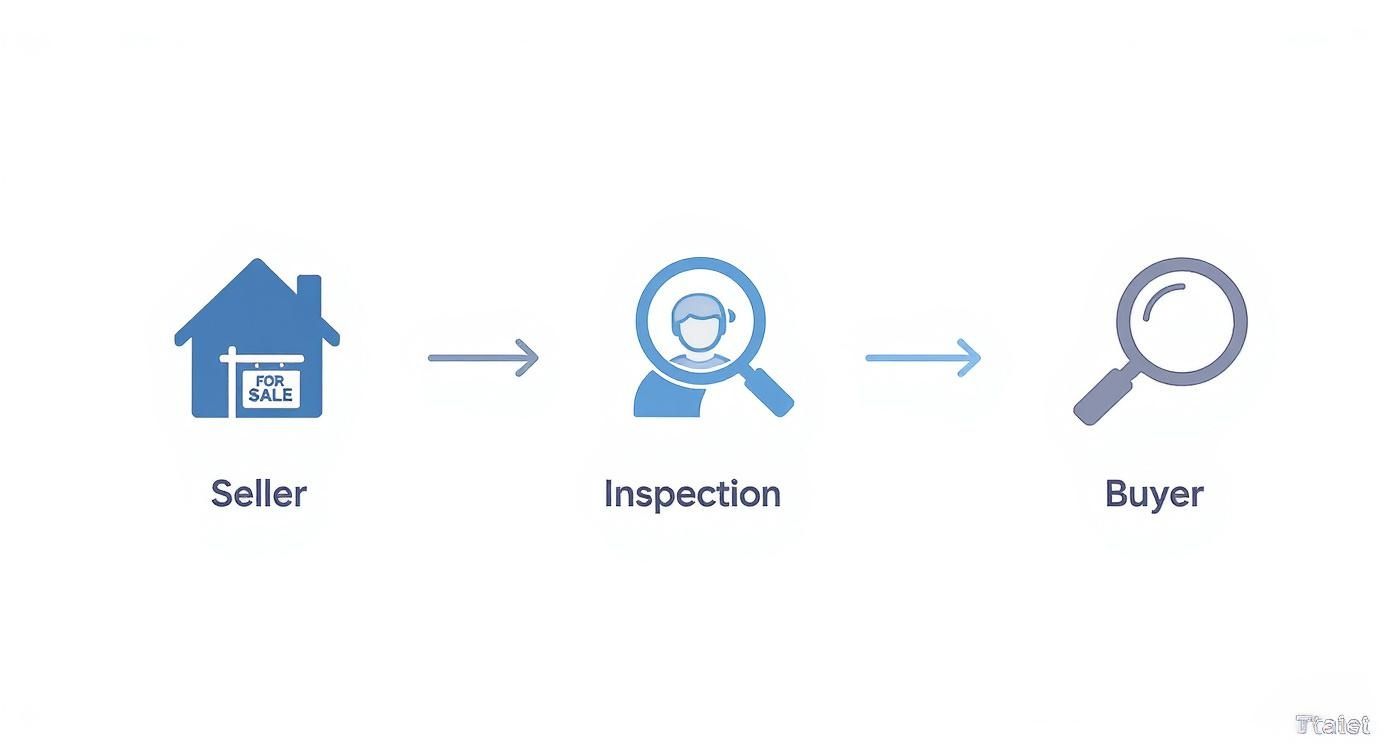
As you can see, a successful open for inspection is like a pivotal ‘first date’—it directly shapes whether a buyer wants to take the next step. This is where your hard work really pays dividends.
Master the Art of Decluttering
The very first step is to create a feeling of space. This doesn't mean emptying your home, but making it feel bigger and more open by getting rid of personal clutter. The goal is to depersonalise the space so buyers can easily project their own lives onto it.
Think of it as turning your home into a blank canvas. When you pack away family photos, personal collections, and any bulky or excess furniture, you give buyers a clean slate. Focus on clearing surfaces in the kitchen, bathrooms, and living areas to let the home's best features shine, not your belongings.
Deep Clean for High Impact
A sparkling clean home sends a powerful message: this property has been well looked after. While the whole house needs to be spotless, some areas deliver a much bigger psychological punch than others. Pour extra effort into the kitchen and bathrooms, as these are huge selling points for most buyers.
- Kitchens: Scrub every appliance until it shines, clean the grout lines, and make sure all benchtops are polished and completely clear.
- Bathrooms: Pack away all personal toiletries, clean mirrors until they’re streak-free, and hang fresh, fluffy towels. A pristine bathroom feels luxurious and new.
This meticulous attention to detail helps build trust and reassures buyers about the overall condition of the home.
A deep clean does more than just make a home look good—it builds trust. When buyers see a meticulously maintained home, they feel more confident about the unseen aspects of the property, like its plumbing and electrical systems.
Set the Stage and Appeal to the Senses
Staging is simply about creating an atmosphere so inviting that people won't want to leave. It's a surprisingly powerful tool that can work for any budget. For a deeper dive into this, check out our detailed guide on staging your home for sale.
Open all the blinds and curtains to flood the rooms with natural light. Turn on every light, even during the day, to create a bright, welcoming vibe. A subtle, fresh scent from a diffuser—think light citrus or vanilla—can make the home feel clean and inviting. Just be sure to avoid any strong, overpowering smells.
Boost Your Kerb Appeal
That all-important first impression is made before a buyer even sets foot inside. Your home's exterior, its kerb appeal, sets the entire tone for the open for inspection. A few simple updates can make a massive difference.
- Tidy the Garden: Mow the lawn, trim back any overgrown bushes, and pull out all the weeds. A fresh layer of mulch on garden beds gives a polished, well-maintained look.
- Make Minor Repairs: Fix that cracked paver, touch up any peeling paint on the front door or window frames, and double-check that the doorbell works.
- Create a Welcoming Entrance: A brand new doormat and a pot plant with some colourful flowers by the entrance create a warm, inviting entryway.
These small touches signal that your home is cared for, inside and out. To help you get organised, here's a simple checklist to follow.
Seller's Open For Inspection Preparation Checklist
| Priority | Task | Why It Matters |
|---|---|---|
| High | Declutter and Depersonalise | Creates a sense of space and allows buyers to envision themselves living there. |
| High | Deep Clean Kitchen and Bathrooms | These are key selling areas. A spotless finish signals a well-maintained property. |
| High | Enhance Kerb Appeal (Lawn, Garden, Entrance) | Forms the critical first impression before buyers even step inside. |
| Medium | Clean Windows and Maximise Natural Light | Makes rooms feel brighter, larger, and more welcoming. |
| Medium | Perform Minor Repairs (Leaky Taps, Scuffs) | Shows the home is well-cared for and avoids giving buyers reasons to negotiate down. |
| Medium | Neutralise Odours and Add a Subtle Fresh Scent | Creates a pleasant atmosphere and eliminates potential turn-offs. |
| Low | Stage Key Areas with Neutral Decor | Helps define the purpose of each room and creates an inviting mood. |
| Low | Organise Cupboards and Wardrobes | Nosy buyers will look! Organised storage implies ample space. |
Ticking these boxes won't just prepare your house—it will prepare it to sell. A little strategic effort here can make all the difference in achieving a fantastic result.
A Buyer’s Strategy for Making the Most of an Inspection
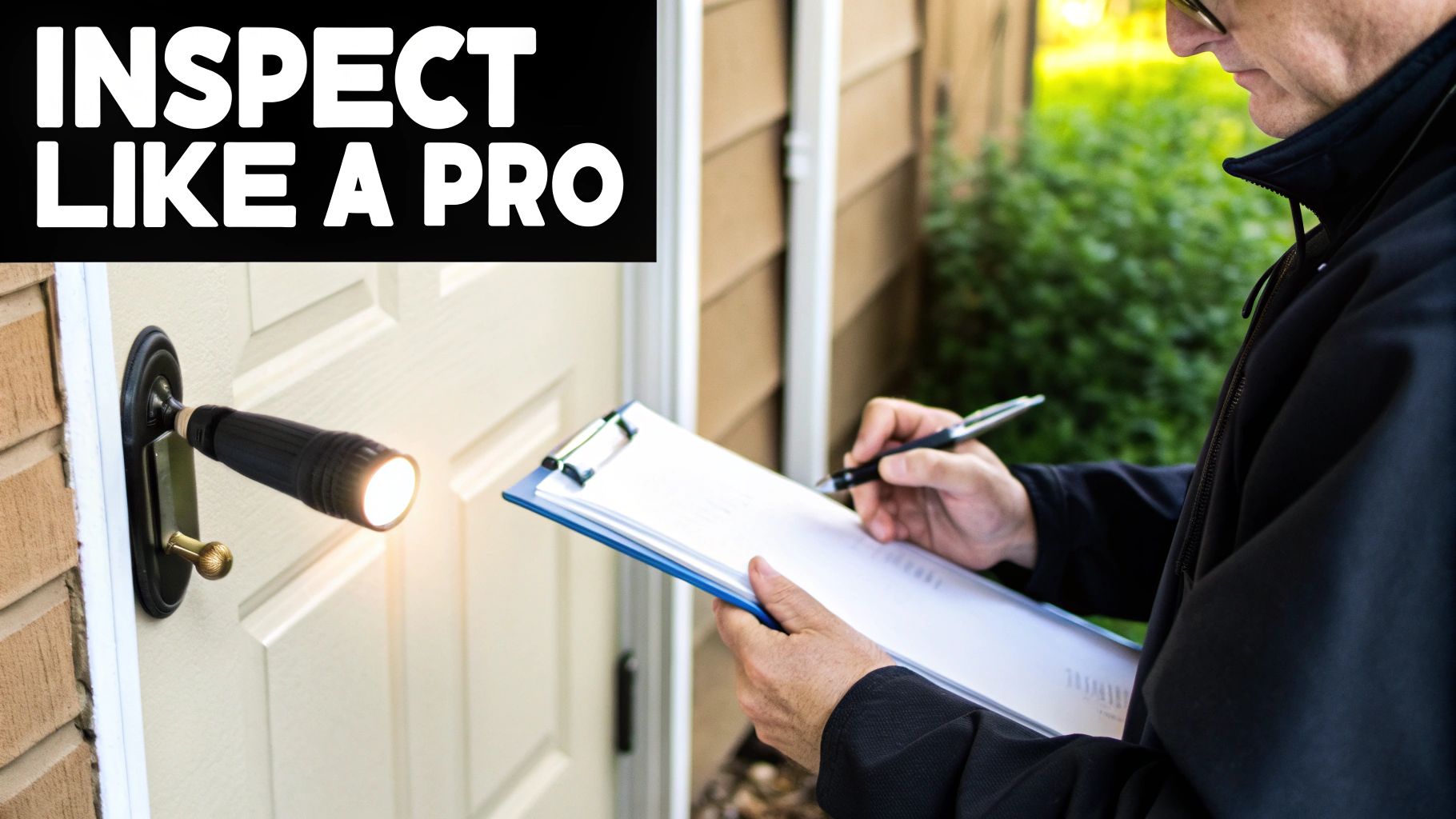
An open for inspection is your golden ticket. It’s the chance to move past the perfectly polished photos online and get a real feel for a place. The seller has set the stage, but your job is to play detective—to look beyond the stylish cushions and uncover the home's true character.
To do this, you need to walk in with a strategy. It's about gathering all the little details that add up to a smart, confident decision.
Think of yourself as an investigator on a mission. Your first task? Check the home’s basic health. Don't be shy. Turn on the taps to feel the water pressure. Flick every light switch. Open and close doors and windows to see if they stick or glide smoothly. These small tests can reveal bigger issues hiding just beneath the surface.
Look for the Clues Others Miss
Once you've done a quick once-over, it's time to dig deeper. Train your eyes to spot the subtle clues that tell the real story of the property's condition. Pay close attention to the ceilings and along the bottom of walls, especially in the laundry and bathrooms. You're looking for any tell-tale signs of water damage like stains, bubbling paint, or even a faint musty smell.
Then, think about the home's layout and flow. Does it actually work for your life? Imagine your daily routine. Picture yourself bringing in the groceries, getting ready for work in the morning, or relaxing on a Sunday afternoon. A floor plan that looks great on paper can sometimes feel awkward or impractical in reality.
A well-staged home is designed to appeal to your emotions. A strategic buyer, however, focuses on the facts. Look for evidence of how the house has been lived in and maintained, not just how it’s presented on the day.
Make sure you document your visit. Use your phone to jot down notes and—if the agent gives the okay—take photos or videos of anything that catches your eye, good or bad. This creates a reliable record you can look back on later when the initial buzz has worn off. To make sure you don't miss anything important, a structured guide is your best friend. Our comprehensive home inspection checklist for Australia gives you a detailed framework to follow.
Questions Are Your Most Powerful Tool
The real estate agent is there for a reason—they're a goldmine of information. Don't waste the opportunity. Arrive with a list of targeted questions ready to go. Your goal is to understand the property's history and the bigger picture of the sale.
Here are a few essential questions to get you started:
- Why are the owners selling? Their motivation can give you clues about their timeline and how flexible they might be on the price.
- How long has the property been on the market? If it's been listed for a while, it could suggest the price is a bit ambitious or there are other concerns.
- Have there been any major repairs or renovations done recently? This helps you piece together the home's maintenance history.
- What are the average council and water rates? These are ongoing costs you absolutely need to factor into your budget.
Finally, take a moment to read the room. Pay attention to the other people there. A high number of attendees asking lots of questions could signal a hot property, which helps you gauge potential competition and prepare your strategy if you decide to make an offer. This holistic approach transforms a simple walkthrough into a powerful fact-finding mission.
Navigating the Legal and Procedural Rules in WA
An open for inspection is more than just a casual look-around; it’s a formal event with its own set of rules and obligations here in Western Australia. Getting your head around these legal and procedural standards is key to making sure the whole process is transparent and fair for everyone, protecting both you and the seller from headaches down the track.
Think of it as the official rulebook for buying a house. These aren't just polite suggestions—they’re legal duties that set the stage for a smooth and honest sale.
Seller and Agent Responsibilities
For sellers, the biggest legal responsibility is providing a safe environment. You’ve got to make sure your property is free from any obvious hazards that could hurt a visitor during the inspection. This means simple things like securing a wobbly handrail, fixing uneven steps, or keeping the family dog safely out of the way.
The real estate agent, who acts on the seller's behalf, has some serious legal duties too. The most critical one is the duty of disclosure. Under WA law, agents are required to disclose any material facts about the property—basically, anything that could influence a buyer’s decision.
A material fact is any piece of information that, if a buyer knew about it, might make them change their mind about buying the property or adjust the price they’re willing to pay. This could be anything from known structural problems and zoning restrictions to even something unusual that happened on the property in the past.
Keeping quiet about these things isn't just bad form; it can land an agent in serious legal hot water.
Buyer Rights and Registration
When you turn up to an open for inspection as a buyer, you also have rights and a standard procedure to follow. The first thing that usually happens is registration. When the agent asks for your name, phone number, and email, it’s for two very good reasons:
- Security: The seller and agent need a record of everyone who has been through the home.
- Communication: It lets the agent follow up for feedback and, importantly, lets you know if another party puts in an offer.
Your personal information is protected by privacy laws, and agents have to handle it responsibly. You have every right to ask questions about the property and expect honest answers, especially when it comes to any of those material facts.
Making an Offer After an Inspection
So, you’ve been through the property and decided it’s the one for you. In WA, making an offer isn’t a casual chat—it’s a formal, written process. You’ll typically do this using a formal Offer and Acceptance contract.
This is a critical document that lays out all the details:
- The price you’re offering.
- Any special conditions, like making the offer subject to getting your finance approved or passing a building inspection.
- Your proposed settlement date.
Once you submit this document and the seller accepts and signs it, it becomes a legally binding contract. It's vital to get this stage right, as it’s the official move from just looking to actually buying, locking both you and the seller into the agreement.
How Current WA Market Trends Affect Open Inspections

An open for inspection is much more than just a quick tour of a house—it's a real-time snapshot of the property market. The number of people walking through the door, the kinds of questions they ask, and the general vibe are all shaped by the bigger economic forces at play here in Western Australia.
Understanding these trends is key. It helps both buyers and sellers make sense of what they're seeing and set realistic expectations.
Think of it like this: in a "hot" market with few homes for sale and tons of buyers, an open for inspection can feel like a packed event. You might see dozens of groups shuffling through, a clear sign that competition is fierce. On the flip side, a "cooler" market, maybe cooled by rising interest rates, will likely mean a much quieter viewing.
Reading the Market Cues
A busy open home doesn't automatically mean a bidding war is about to erupt. In the same way, a quiet showing isn't necessarily a red flag. The trick is to look at the attendance within the context of the current WA market.
Here’s how to read the room:
- High Attendance, Fast Offers: This is the classic seller's market scenario. Demand is outstripping supply, and buyers often feel the pressure to act fast.
- High Attendance, Slow Offers: This one's a bit more complex. It tells us there’s plenty of initial interest, but buyers might be holding back due to things like tight lending criteria or a fear of overpaying.
- Low Attendance: This could signal a few things. The asking price might be a bit too optimistic for the current market, or there could simply be a lot more properties available, giving buyers plenty of choice.
The crowd at an open for inspection is a direct reflection of market sentiment. It reveals just how confident buyers are feeling about their finances and the future value of property right at that moment.
Why a Busy Inspection Doesn't Always Mean a Quick Sale
It’s a common mistake to think a packed open for inspection guarantees a fast, high-priced sale. Recent market data paints a more detailed picture.
Even with a noticeable surge in buyer traffic across Australia in early 2024, the average time properties spent on the market actually went up. In the three months leading up to April, homes took an average of six days longer to sell nationally compared to the previous quarter.
This trend, which you can explore in more detail through recent property reports, suggests that while plenty of buyers are looking, financial pressures and stricter lending rules are making people more cautious.
So, even with a full house on Saturday, sellers might need to be patient. For buyers, it means you may have a little more time to do your homework than the crowd suggests. Getting a handle on this dynamic is crucial for anyone navigating the WA property scene.
Got Questions About Open For Inspections? We’ve Got Answers.
Even with the best game plan, it’s normal for buyers and sellers to have a few questions about how an open for inspection really works. Practical things can pop up at any moment, and getting straight answers makes the whole process feel less daunting.
Think of this as your go-to FAQ for the finer points. We're covering everything from timing and privacy to whether you can bring a friend along for a second opinion.
How Long Does an Open For Inspection Last?
Most open homes are scheduled for a tidy 30-minute window. For most properties, this is plenty of time for you to walk through, get a genuine feel for the layout, and fire off any initial questions to the agent.
That said, for larger homes or when the market is particularly hot, you might see agents extend the viewing to 45 or even 60 minutes. A good rule of thumb is to arrive right when it starts. This gives you the maximum amount of time to explore without feeling rushed as the clock ticks down.
Can I Request a Private Inspection?
Absolutely. While weekend open homes are great for attracting a crowd, most sellers are more than happy to arrange a private viewing for a genuinely interested buyer. It’s a fantastic option if the scheduled times clash with your schedule, or if you’d just prefer to look over the property without a dozen other people around.
All you need to do is contact the listing agent and ask. Taking this step often signals that you’re a serious contender, which can be a nice little strategic advantage.
What Happens to My Personal Information?
When you sign in at an open home, the agent collects your details for two key reasons: security and follow-up. It creates a log of everyone who has been through the property and allows them to get in touch for feedback or to let you know if an offer comes in.
Here in Australia, agents must follow strict privacy laws. Your information should only be used for purposes directly related to the sale of that specific property. If you ever have concerns, don't hesitate to ask the agent to clarify their privacy policy.
Your data is also part of a wider property information system. Australia uses a mix of government records and real estate tech to keep things transparent. Each state holds public records of sales history and property details, which often feed into the major real estate websites to make the process smoother for everyone. You can find more insights on how this data is managed over at finder.com.au.
Is It Okay to Bring Someone With Me?
Yes, and it’s a brilliant idea. Bringing along a trusted friend, a family member, or even a builder gives you an invaluable second opinion. They’re coming in with fresh eyes and a clear head, so they're more likely to spot details (both good and bad) that you might overlook in the excitement of the moment.
It’s a very common and completely accepted practice, so never think twice about bringing someone whose judgment you trust. It could help you make a much better-informed decision.
Navigating the Mandurah property market requires local expertise and a trusted partner. At David Beshay Real Estate, we provide the guidance you need to make your next move with confidence. Whether you’re buying or selling, we're here to help you achieve your property goals. https://realestate-david-beshay.com.au


Pingback: Investment Property Criteria in Mandurah: A 2026 Guide - David Beshay Real Estate - Beshay Realty