


When you decide to sell your home, you're not just selling a building; you're selling a vision, a potential future for someone else. This is where home staging comes in. It's the art of preparing your property to capture the hearts and minds of the widest possible audience of buyers.
It’s about much more than just a quick tidy-up. Staging involves strategically decluttering, depersonalising, and styling your space to show off its absolute best features. The goal? To help you sell faster and for a better price by creating a compelling narrative for potential owners.
Why Home Staging Is a Game-Changer for Mandurah Sellers
If you're looking to sell in the Mandurah market, you need every advantage you can get. Gone are the days when a simple clean was enough to stand out. Today's buyers scroll through countless online listings before they even think about booking an inspection. Your property's photos are its first, and most important, audition.
Staging is a marketing powerhouse designed to forge an instant emotional connection. It’s about transforming your house into their future home. When a buyer walks through the door and can immediately picture their own life unfolding—hosting barbecues in the backyard, relaxing on the sofa, raising a family—they’re far more likely to put in a strong, competitive offer.
The Psychology Behind a Beautifully Staged Home
An empty or cluttered home forces buyers to use their imagination, and honestly, most people struggle with that. They might get distracted by your family photos, your specific taste in furniture, or piles of everyday clutter. Staging strips away these personal distractions, creating a clean, neutral, yet aspirational canvas.
This process works on several levels:
- It Maximises the Feeling of Space: Professional staging uses furniture and decor to make rooms feel larger, brighter, and more open. It’s all about clever illusions.
- It Highlights the Best Bits: Staging draws the eye straight to your home's greatest assets, whether that’s a stunning architectural detail, a flood of natural light, or a great, functional layout.
- It Minimises Any Flaws: Strategic placement of a rug or a piece of furniture can cleverly downplay an awkward corner or minor imperfections.
- It Sells a Lifestyle: More than anything, staging showcases a desirable lifestyle, getting buyers emotionally invested in the dream of living there.
A buyer often decides whether they love a property within the first few minutes of stepping inside. Staging makes sure those initial moments are overwhelmingly positive, making them feel welcomed, relaxed, and genuinely excited about the possibilities.
The Real-World Impact on Your Sale Price
Beyond the warm and fuzzy feelings, the numbers tell a compelling story. In the competitive Aussie real estate market, staging has shifted from a "nice-to-have" luxury to a must-do for sellers serious about getting the best result.
Let's look at the data. A well-staged home can have a significant financial impact, often leading to quicker sales and higher offers. The benefits are clear and backed by industry research.
Quick Overview Staging Benefits
| Benefit | Impact on Sale | Key Statistic |
|---|---|---|
| Higher Sale Price | Attracts stronger, more competitive offers from buyers. | Staged homes can sell for 5-10% more than unstaged properties. |
| Faster Sale | Reduces time on market and the stress of multiple open homes. | Professionally staged homes sell an incredible 73% faster on average. |
| Stronger First Impression | Captures buyer attention online, leading to more inspections. | 95% of buyers search for homes online first. |
| Better Visualisation | Helps buyers emotionally connect and envision living in the space. | Over 80% of buyers find it easier to visualise a staged property as their future home. |
These statistics show that staging is more than just making your home look pretty; it's a strategic move to improve your bottom line.
Ultimately, investing in home staging is a calculated financial decision. It helps justify your asking price, slashes your property's time on the market, and often generates a return that far outweighs the initial cost. It’s the critical step that positions your property to achieve its maximum potential value, especially in a discerning market like Mandurah.
Creating a Blank Canvas to Attract Buyers
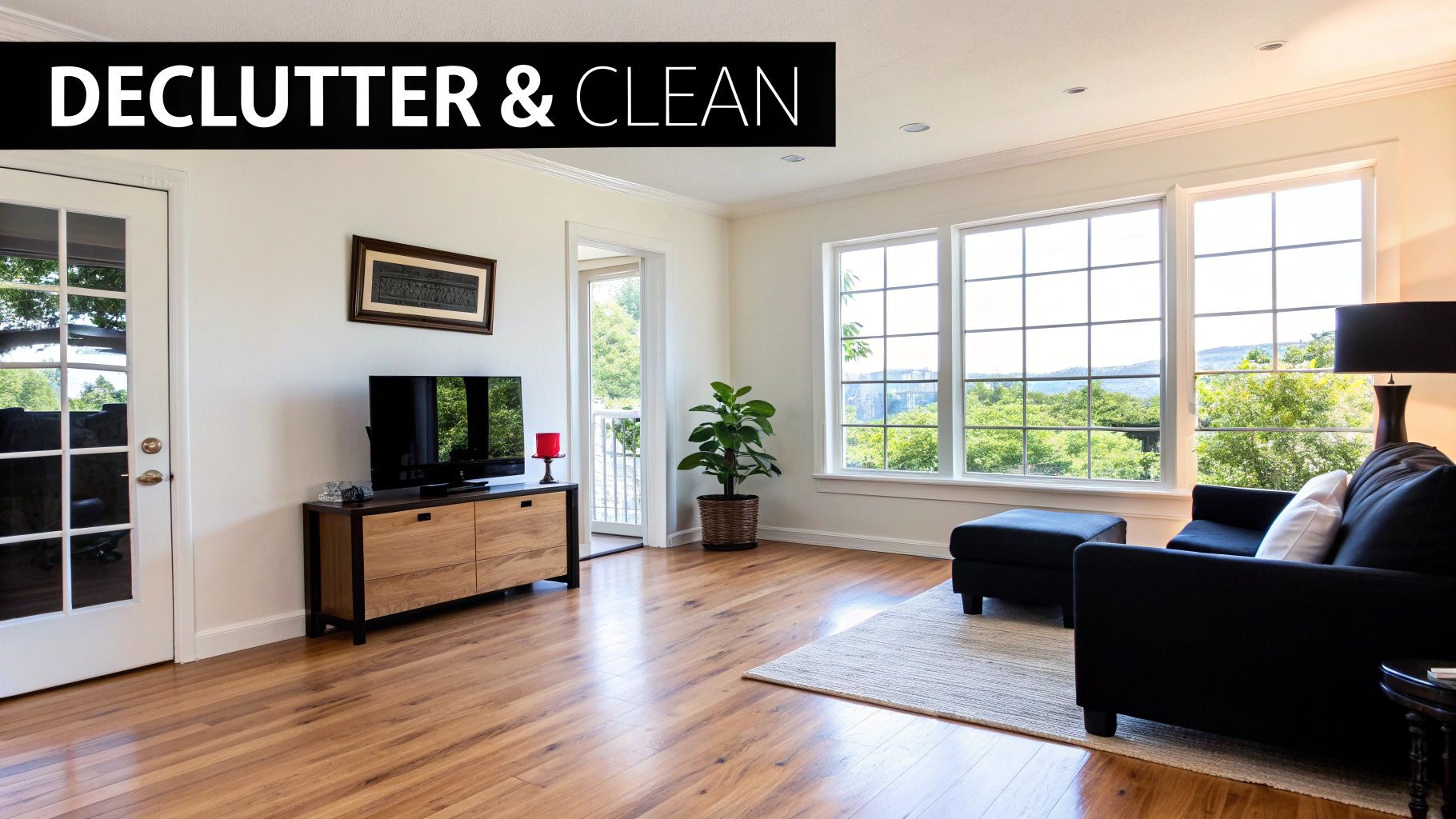
Before you even think about adding stylish cushions or arranging a beautiful throw rug, we need to talk about the blank canvas. This is, without a doubt, the most critical phase of staging your Mandurah home for sale. It’s all about stripping back the layers of your personal life to present a clean, neutral space where potential buyers can mentally move in.
The goal isn't to erase your history from the home, but to allow others to see their future in it. When buyers are distracted by your personal belongings, family photos, or very specific taste, they just can't form that crucial emotional connection with the property. Creating a neutral backdrop makes your home's best features—the layout, the light, the space—the real stars of the show.
A Practical System for Decluttering
The very thought of decluttering an entire home can feel completely overwhelming. I get it. But breaking it down with a structured approach makes it so much more manageable. One of the most effective methods I’ve seen work time and time again is the four-box system.
As you tackle each room, get four boxes or just designate four areas:
- Keep: These are the items you absolutely love and will be taking to your new home. No questions asked.
- Store: This box is for personal items, oversized furniture, or out-of-season decor that you'll keep but needs to be out of sight for staging. Think family portraits, that bulky armchair, or your massive collection of winter coats.
- Donate/Sell: Items that are in good condition but you no longer need. This is a fantastic way to simplify your move and give things a new life.
- Discard: Anything broken, expired, or no longer useful. You have to be ruthless here; a clutter-free home sends a powerful signal to buyers that the property is well-maintained.
This system forces you to make a decision on every single item. It stops you from just shuffling piles of clutter from one room to another and turns a massive task into a series of small, achievable wins.
The Art of Depersonalisation
Once the clutter is gone, it’s time to depersonalise. This is often the toughest part emotionally, but it’s absolutely vital for getting the best price. Buyers need to see the house, not the life you've lived in it.
This means packing away the cherished family photos from the mantelpiece, taking your kids' artwork off the fridge, and putting away anything that points to niche hobbies or strong personal tastes. That wall of marathon medals or your collection of quirky art might be incredibly meaningful to you, but to a buyer, it's a distraction.
Removing your personal identity from the space does two things. It helps buyers envision the home's potential for their own family, and just as importantly, it creates a bit of emotional distance for you, which actually makes the process of moving on a little easier.
Clearing Surfaces to Maximise Space
A golden rule in staging is to clear all surfaces. This means kitchen counters, bathroom vanities, bedside tables, and coffee tables. Take the kitchen, for example. Store away everything except for a few essential, stylish items like a high-quality coffee machine or a bowl of fresh lemons.
Look at your benchtops right now. Are they covered with spice racks, knife blocks, and every small appliance you own? Getting those things out of sight will instantly make your kitchen feel more spacious and highlight the amount of usable workspace—a huge selling point for any buyer.
The same idea applies to bathrooms. Tuck away all your personal hygiene products like toothbrushes, shampoo bottles, and razors. The aim is to create a serene, spa-like atmosphere, not remind buyers of your morning routine. Think of a luxury hotel room; it feels pristine and untouched. That’s the impression you want to create. This simple step can dramatically change how big and functional a room feels, making your home seem open, airy, and full of potential.
Using Light and Space to Enhance Your Home
Once your home is a clean, depersonalised canvas, the real magic of staging can begin. Two of the most powerful—and often free—tools you have are light and space. Mastering how to use them can completely change a buyer's perception, making rooms feel larger, more inviting, and infinitely more desirable.
A bright, airy home just feels welcoming and well-maintained. Buyers are naturally drawn to spaces that feel open and positive, and light is the single biggest factor in creating that atmosphere. Maximising light and creating a sense of spaciousness are fundamental to showing off your property's true potential.
Amplify Your Natural Light
The beautiful Mandurah sunshine is one of your greatest assets, so your first job is to let as much of it in as possible. Dark, gloomy rooms can feel small and depressing, which is an instant turn-off for buyers. Start by giving every window a thorough clean, inside and out—you’ll be shocked at how much brighter a room becomes.
Next, take a hard look at your window treatments. Heavy, dark, or dated curtains can absorb light and make a room feel closed in.
Consider these simple swaps:
- Sheer Curtains: Replace heavy drapes with lightweight, sheer curtains. They offer a touch of privacy while letting soft, diffused light flood the room.
- Raise the Curtain Rod: Mount your curtain rods higher and wider than the window frame. This is a classic designer trick that creates an illusion of height and makes the window itself appear much larger.
- Pull Everything Back: For inspections, make sure all blinds are fully open and curtains are pulled back as far as they can go.
Another professional trick I always recommend is the strategic placement of mirrors. A large mirror placed opposite a window can literally double the amount of light in a room and add a sense of depth, making the space feel more expansive.
When staging, think of mirrors not just as decorative items, but as tools for manipulating light. Placing one in a darker hallway or at the end of a living room can reflect light from other sources, brightening up forgotten corners and creating a more balanced feel.
Master the Art of Layered Lighting
Natural light is crucial, but you also need to create a warm, welcoming mood for evening inspections or on overcast days. A single, harsh overhead light is rarely flattering. Instead, you should layer your lighting to create ambience and highlight your home’s best features.
Think of lighting in three distinct layers:
- Ambient Lighting: This is your general, overall illumination, usually from a central ceiling fixture or downlights. Make sure all bulbs are working and are a consistent, warm white colour for a cohesive feel.
- Task Lighting: This is focused light for specific activities, like reading lamps beside a chair or under-cabinet lighting in the kitchen. It adds functionality and makes spaces feel more purposeful and lived-in.
- Accent Lighting: This is the "mood" lighting. Think of a spotlight on a piece of art or an uplight behind a plant. It adds drama, depth, and a touch of sophistication.
During an open home, turn on every single light—even the lamps in rooms with plenty of daylight. This ensures your home looks its absolute brightest and most inviting from the moment a buyer walks through the door.
Create an Illusion of Space with Furniture
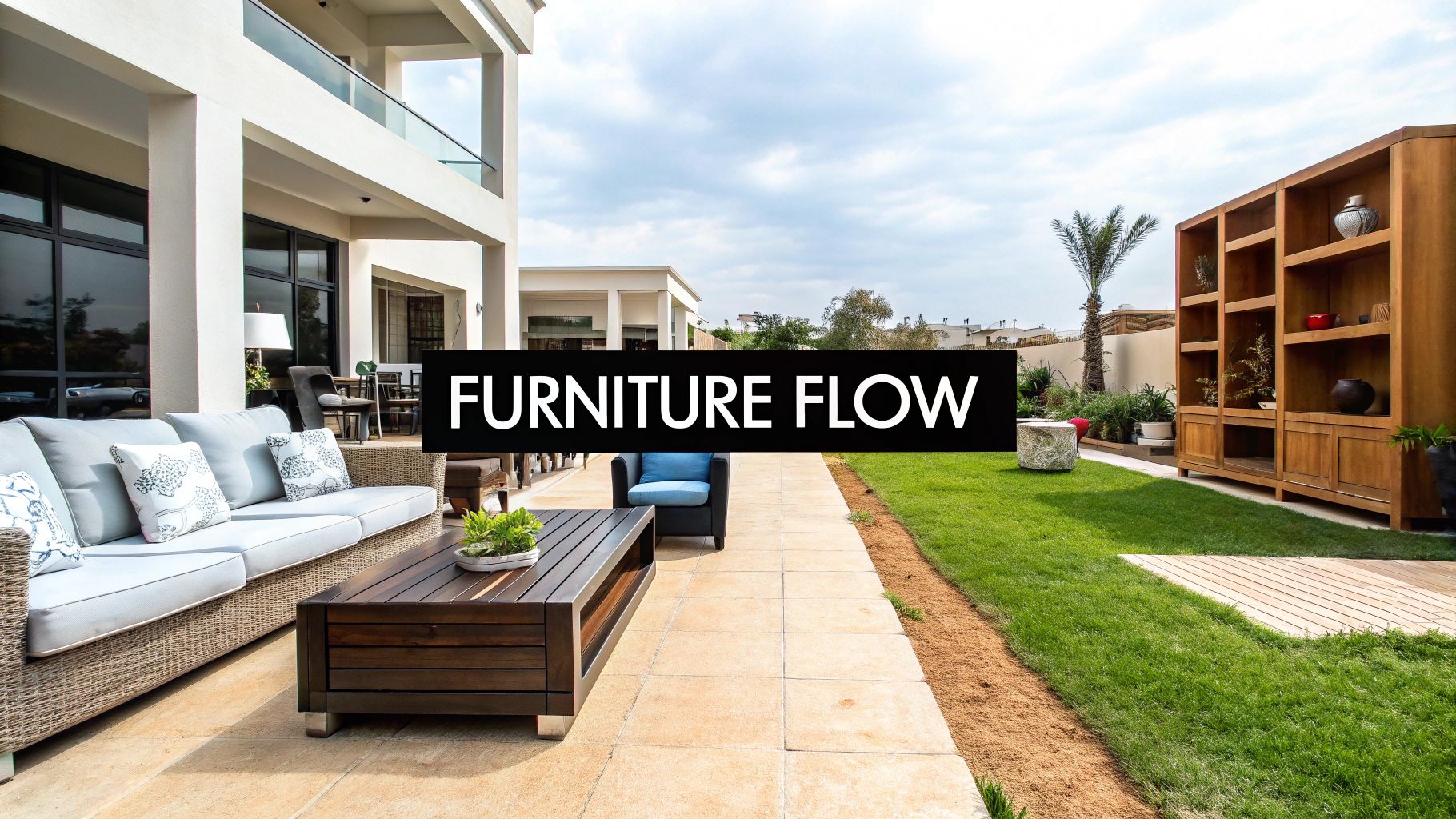
How you arrange your furniture has a massive impact on how spacious a room feels. The goal is to create clear, walkable pathways that allow buyers to move through your home effortlessly. If they have to shuffle sideways past a bulky sofa, the room will immediately feel cramped.
Here's a tip that might sound counterintuitive: pull furniture away from the walls. Creating even a small gap between your sofa and the wall can make the entire room feel larger and more considered. Try arranging furniture into conversational groupings to define zones, especially in those big open-plan living areas.
Finally, remember that less is always more. You will likely need to temporarily remove some furniture pieces and put them in storage. A room with fewer, well-placed items will always look bigger and more appealing than one crammed with too much furniture, no matter how beautiful it is.
With your home decluttered, depersonalised, and shining with light, it’s time for the final, most exciting part of staging. This is where we go beyond simply presenting a clean house and start telling a story.
This is the magic touch. By strategically using colour, texture, and the right accessories, you can craft an emotional experience that helps buyers see more than just walls and floors—they start to picture the life they could live there.
It’s all about creating small, curated moments, often called vignettes, that hint at how a room can be enjoyed. Think of a beautifully set dining table that brings to mind happy family dinners, or a bathroom styled to feel like a private, spa-like escape. You're building an invisible bridge, helping buyers feel like your home is the perfect next chapter in their own story.
Defining Zones in Open-Plan Living
Open-plan living is a huge selling point here in Mandurah, but without clear definition, these big, beautiful spaces can actually feel a bit confusing or overwhelming to buyers. Your job is to show them just how functional these areas are by creating distinct zones for living, dining, and relaxing.
One of the easiest and most effective tools for this is a well-placed rug.
For example, a large, neutral-coloured rug can instantly anchor a living room "zone," creating a clear visual separation from the dining area. Try pulling your sofa and armchairs forward so their front legs are sitting on the rug. This simple move creates a cozy, conversational group that defines the space without putting up any walls. It shows buyers exactly how to furnish and live in the home.
A classic mistake I see all the time is furniture pushed right up against the walls. People think it makes the room look bigger, but it often does the opposite. "Floating" your furniture around a central rug creates natural walkways and makes the space feel more intentional, sophisticated, and, believe it or not, even more spacious.
Setting the Scene for Connection
Great styling isn't about just placing pretty objects around the house; it's about suggesting experiences. You want to create little moments that make potential buyers pause and imagine their own lives unfolding right there.
-
The Welcoming Dining Table: A formal, fully set table can feel a bit stiff and unapproachable. Instead, go for a "casually set" look. Think simple placemats, dinner plates, and cutlery. Add a relaxed centrepiece, like a vase with some native Australian greenery or a bowl of fresh lemons for a pop of colour. This suggests happy, everyday meals, not a stuffy formal dinner.
-
The Cosy Reading Nook: Got an empty corner you're not sure what to do with? Turn it into a feature. All you need is a comfy armchair, a small side table, a lamp, and a single book or magazine. This simple setup transforms a forgotten corner into a deliberate retreat for quiet moments.
It’s these small touches that forge an emotional connection, making your property feel less like a stranger’s house and more like a home that’s just waiting for them.
Mastering the Art of the Vignette
A vignette is simply a small, thoughtful grouping of objects that tells a little story. They work perfectly on surfaces like coffee tables, bedside tables, and bookshelves. The secret is to group items with different heights, shapes, and textures to create a bit of visual drama.
A simple, go-to formula for a coffee table vignette could be:
- Something Tall: A small vase with a few elegant stems or branches.
- Something Grounded: A stack of two or three nice-looking hardcover books.
- Something Organic: A beautiful decorative bowl, a tray, or a scented candle.
Arrange these items together, maybe on a tray, to keep the look contained and polished.
For bookshelves, resist the urge to just line up books spine-to-spine. Mix it up! Stack some horizontally and stand others vertically. Weave in a few small, neutral decor pieces to break up the lines and create a curated look that feels airy, not cluttered. Remember, the goal is to show off the storage, not your entire library.
The Financials of Home Staging
Let's talk numbers. When you're getting ready to sell, deciding whether to stage your home can feel like a big call. Many sellers initially see it as just another line item on an already long list of expenses. But the data, and my experience, consistently show it's one of the smartest investments you can make in the selling process.
It’s about spending a little upfront to potentially make a lot more when you sell.
The cost can seem daunting at first, but it’s crucial to see the bigger picture. When you factor in the potential for a higher sale price and a quicker sale—which means fewer weeks paying the mortgage, council rates, and other holding costs—that initial outlay starts to look much more reasonable. This isn't just about making your house look pretty; it's a strategic financial move.
Breaking Down the Costs
So, what should you really expect to budget for professional staging? There’s no single price tag, as the cost in Australia can shift based on a few key things. Getting your head around these variables will give you a much clearer idea of what it might cost for your Mandurah property.
The main factors influencing the price are:
- Property Size: It makes sense that a larger home with more rooms to fill will require more furniture and decor, which naturally bumps up the cost.
- Scope of Staging: Are we working with a completely empty house, or do you just need a stylist to come in, use your existing pieces, and add some key accessories? A full stage will always cost more than a partial one.
- Hire Duration: Most staging packages cover a standard sales campaign, usually around four to six weeks. If your home happens to take a little longer to sell, you might need to budget for an extension on the hire period.
- Location: Costs can vary between major capital cities and regional hubs like Mandurah, so it’s always a good idea to get a couple of quotes from local stylists.
As a rough guide, professionally staging a standard three-bedroom home can start from a few thousand dollars and go up from there, depending on the factors above. While that might sound like a chunk of change, it’s tiny compared to what you stand to gain.
Calculating Your Return on Investment
This is where it gets exciting. The return you can see from staging your home is often one of the best you'll get during the selling journey. Time and again, research shows that staged homes don't just sell faster—they sell for more money.
A recent report on property styling found that staged homes in Australia can fetch between 7.5% and 15% more on their sale price. The best part? The cost of staging is typically less than 1% of the property's value.
Think about it like this: your Mandurah home is valued at $600,000. A 7.5% increase from staging adds a massive $45,000 to your sale price. Even if you invested $5,000 in staging, you’re walking away with an extra $40,000. That's an incredible 800% return on your investment.
To give you a clearer picture of how these costs and returns stack up across the country, here’s a quick comparison.
Home Staging Cost vs. Potential Return in Major AU Cities
This table offers a snapshot of the average staging cost for a typical 3-bedroom home in major Australian cities and the potential boost it could give your final sale price.
| City | Average Staging Cost (3-Bedroom Home) | Potential Sale Price Uplift (7.5%-15%) |
|---|---|---|
| Sydney | $5,000 – $8,000+ | $75,000 – $150,000+ (on a $1M property) |
| Melbourne | $4,500 – $7,500+ | $60,000 – $120,000+ (on an $800k property) |
| Brisbane | $4,000 – $7,000+ | $56,250 – $112,500+ (on a $750k property) |
| Perth | $3,500 – $6,500+ | $45,000 – $90,000+ (on a $600k property) |
| Adelaide | $3,000 – $6,000+ | $37,500 – $75,000+ (on a $500k property) |
As you can see, while the initial cost is a factor, the potential return on investment is substantial, making it a powerful tool for sellers in any market.
While a beautifully furnished interior is key, don't underestimate the power of the exterior. First impressions count for everything. The infographic below breaks down how simple, affordable updates to your home's curb appeal can dramatically impact its value.
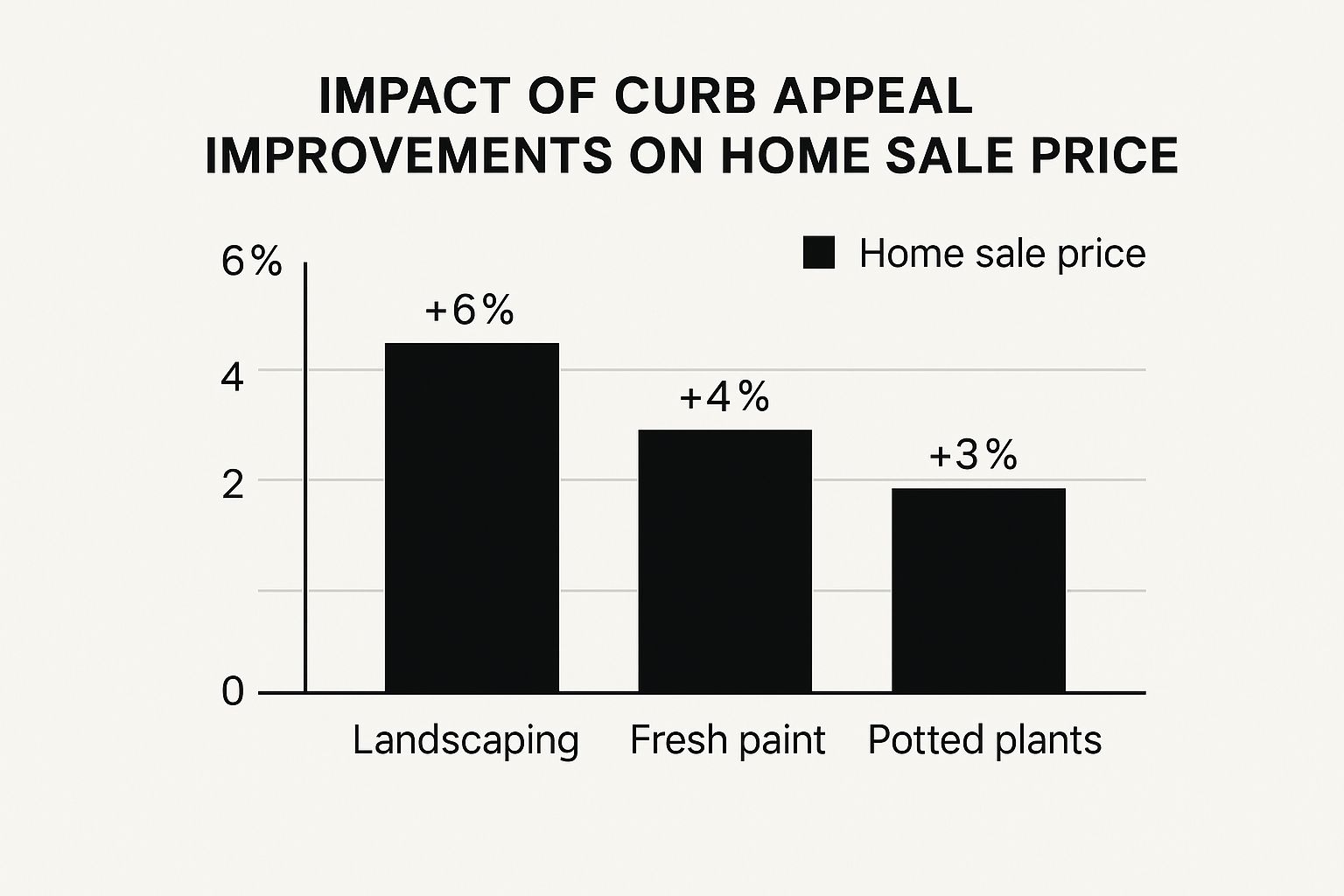
This shows that even small investments, like tidying up the garden or a fresh coat of paint on the front door, deliver serious returns. It all reinforces the same core idea: preparing your home properly for sale isn't an expense, it's a profit-making strategy.
For a complete rundown of the entire selling journey, you can grab more expert advice from our ultimate guide to selling your home.
Your Final Checklist for Photos and Open Homes
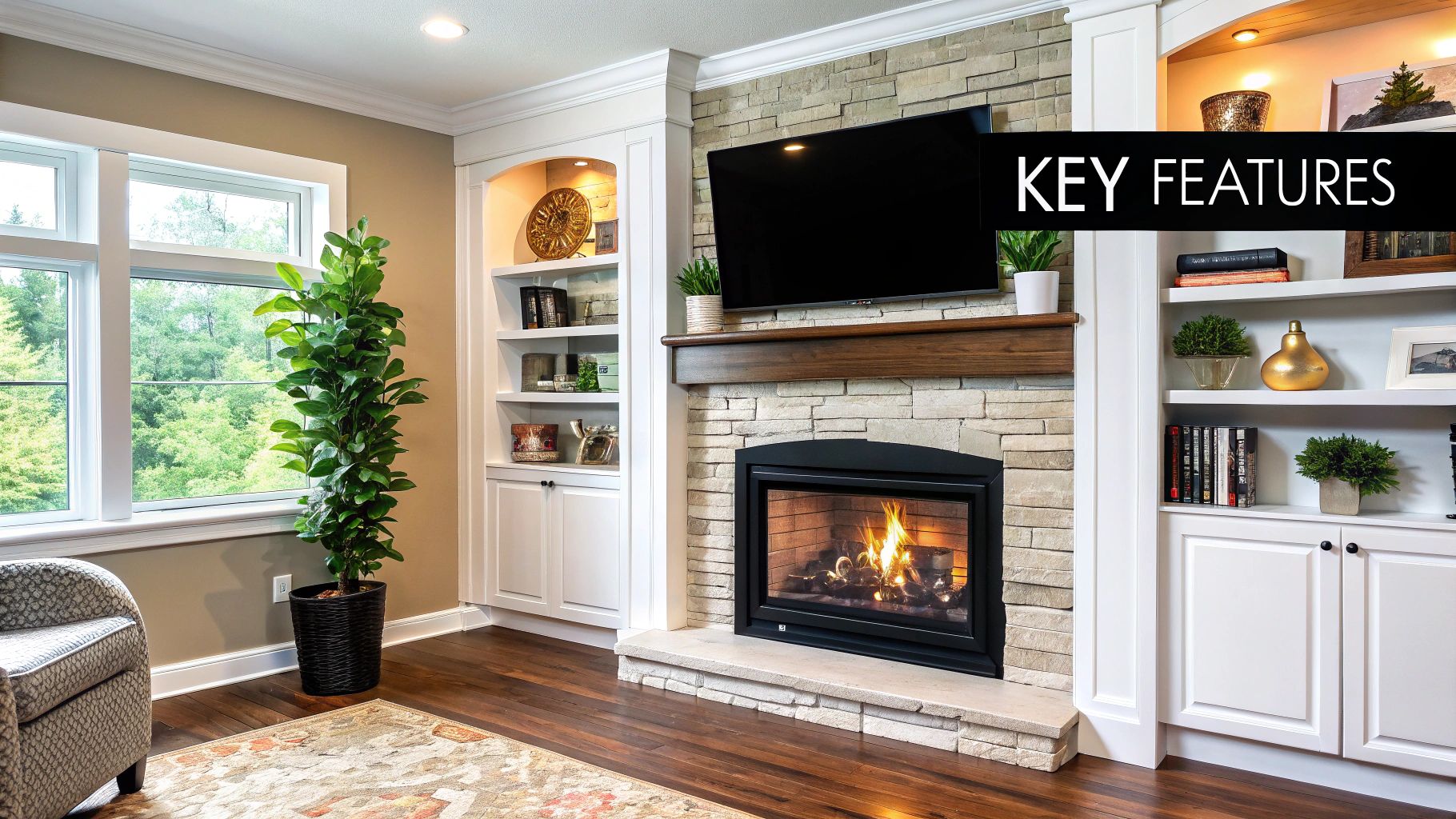
After all the hard work decluttering, depersonalising, and styling, you’ve reached the final sprint. This is where your efforts truly shine, as you prepare for the two most critical moments: the professional photography session and your first open home.
The goal is to make sure your property looks absolutely flawless. It’s about translating all your staging work into a powerful first impression that captivates buyers, both online and in person. Honestly, it's the small, often-overlooked details that make the difference between a home that looks good and one that feels truly exceptional. This final polish welcomes buyers in and makes them feel excited about the possibility of living there.
The Week Before Showtime
In the days leading up to photos or the first inspection, your focus should be on deep-cleaning and exterior touch-ups. These tasks are what elevate your home from clean to pristine and create a stunning foundation for your staging.
First up, the floors. If you have carpets, now is the time to get them professionally steam cleaned. This not only removes lingering odours but also lifts the pile and restores colour, making them look almost new. For timber or tiles, a thorough mop and polish will bring back their shine.
Next, turn your attention to the walls. Grab a small pot of matching paint and walk through every single room, touching up any scuffs or chips. Pay close attention to high-traffic areas like hallways, doorways, and around light switches. It's a minor effort, but it makes a huge impact, signalling to buyers that the home is meticulously maintained.
Boosting Your Curb Appeal
The buyer's journey begins the moment they pull up to your property. That first look sets the tone for their entire visit, so boosting your curb appeal is non-negotiable.
Remember, the exterior is the "book cover" for your home. An inviting and well-maintained entrance creates anticipation and excitement, making buyers eager to see what's inside. It subconsciously tells them the home has been cared for.
Focus on these key tasks to make a great first impression:
- A Fresh Welcome: Give your front door a fresh coat of paint if it’s looking a bit tired. This is a small job with a seriously big payoff.
- Green and Tidy: Mow the lawn, trim the edges, and pull every last weed. A fresh layer of dark mulch on garden beds gives a rich, manicured look that pops.
- Add Life and Colour: Place a couple of large, stylish pots with vibrant, healthy plants on either side of the entrance. It adds a touch of sophistication and makes the entrance feel alive.
These simple steps create a polished facade that welcomes buyers from the very first glance. For more detail on getting your property ready, you can explore our complete guide on how to prepare a house for sale.
The Day-Of Action Plan
On the day of the photoshoot or open home, your focus shifts to creating the perfect atmosphere. Follow this final checklist to ensure everything is just right.
Start by turning on every single light in the house—lamps, under-cabinet lighting, the lot. A bright home always feels larger, cleaner, and more welcoming. Then, open all blinds and curtains completely to let in as much natural light as possible.
Next, do a final "sniff test." Your home should smell fresh and clean, but never overpowering. Avoid strong air fresheners or scented candles, as some buyers have sensitivities. The best trick is to open the windows for an hour before they arrive to air the place out. A subtle scent from a reed diffuser with clean linen or light citrus can work beautifully.
Finally, add those finishing touches that bring a sense of life and luxury. A bowl of fresh lemons or green apples in the kitchen is a classic. A small vase of fresh flowers in the living room or main bedroom adds a lovely touch. Make sure all beds are perfectly made, cushions are plumped, and toilet lids are down. Your home is now ready to shine.
Common Questions About Home Staging
It's natural to have questions when you first start looking into home staging. Many Mandurah sellers find themselves weighing up the same key points before they commit.
DIY vs. Professional Staging: Is it Worth it?
One of the biggest questions is always: "Can I just do this myself?" While you can absolutely make a big impact with your own decluttering and styling (if you've got a good eye for it), bringing in a professional is a different ball game.
A pro stager doesn't just tidy up; they bring an objective, market-savvy perspective that's tough to replicate when you're emotionally attached to your home. They have access to a whole inventory of modern furniture and decor designed specifically to appeal to today's buyers. They know exactly how to arrange a room to maximise its perceived space and light, creating that crucial emotional connection the moment someone walks through the door.
What's the Real Cost?
Another common query is about the cost. Yes, professional staging is an investment. The final price tag will depend on the size of your property and how long you need to hire the furniture.
But here’s the thing: the data consistently shows that properly staged homes don't just sell faster—they often fetch a significantly higher sale price. Think of it less as a cost and more as an investment that delivers a solid return when you finalise the sale.
Do I Really Need to Stage an Empty House?
This one's a definite "yes." An empty property can feel surprisingly cold and impersonal. Buyers often struggle to gauge the size of a vacant room or imagine how their own furniture would fit. It can make a space feel smaller and less inviting than it actually is.
Staging gives every room a clear purpose and sense of scale. It transforms an empty shell into a warm, welcoming home that people can instantly see themselves living in.
For a broader look at the entire sales journey, our beginner's guide to selling your home is a great place to start.
Ready to unlock your home's maximum sale potential in Mandurah? Contact David Beshay Real Estate for a free, no-obligation property appraisal and a personalised strategy to make your property stand out. Visit https://realestate-david-beshay.com.au to get started.


Pingback: Steps to Selling a Home in Mandurah - David Beshay Real Estate - The Agency
Pingback: Preparing Your House For Sale In Australia - David Beshay Real Estate - The Agency
Pingback: How Do You Sell Your House Privately in Australia? Learn Now - David Beshay Real Estate - The Agency