


You only get one chance to make a first impression, and when selling your home, that impression starts the moment a potential buyer pulls up to the kerb. It's all about creating an emotional connection right from the get-go.
This means focusing on high-impact, low-cost improvements that scream 'welcome home' before anyone even steps through the door. Get this right, and you set a positive tone that can translate directly into stronger offers.
Creating An Irresistible First Impression
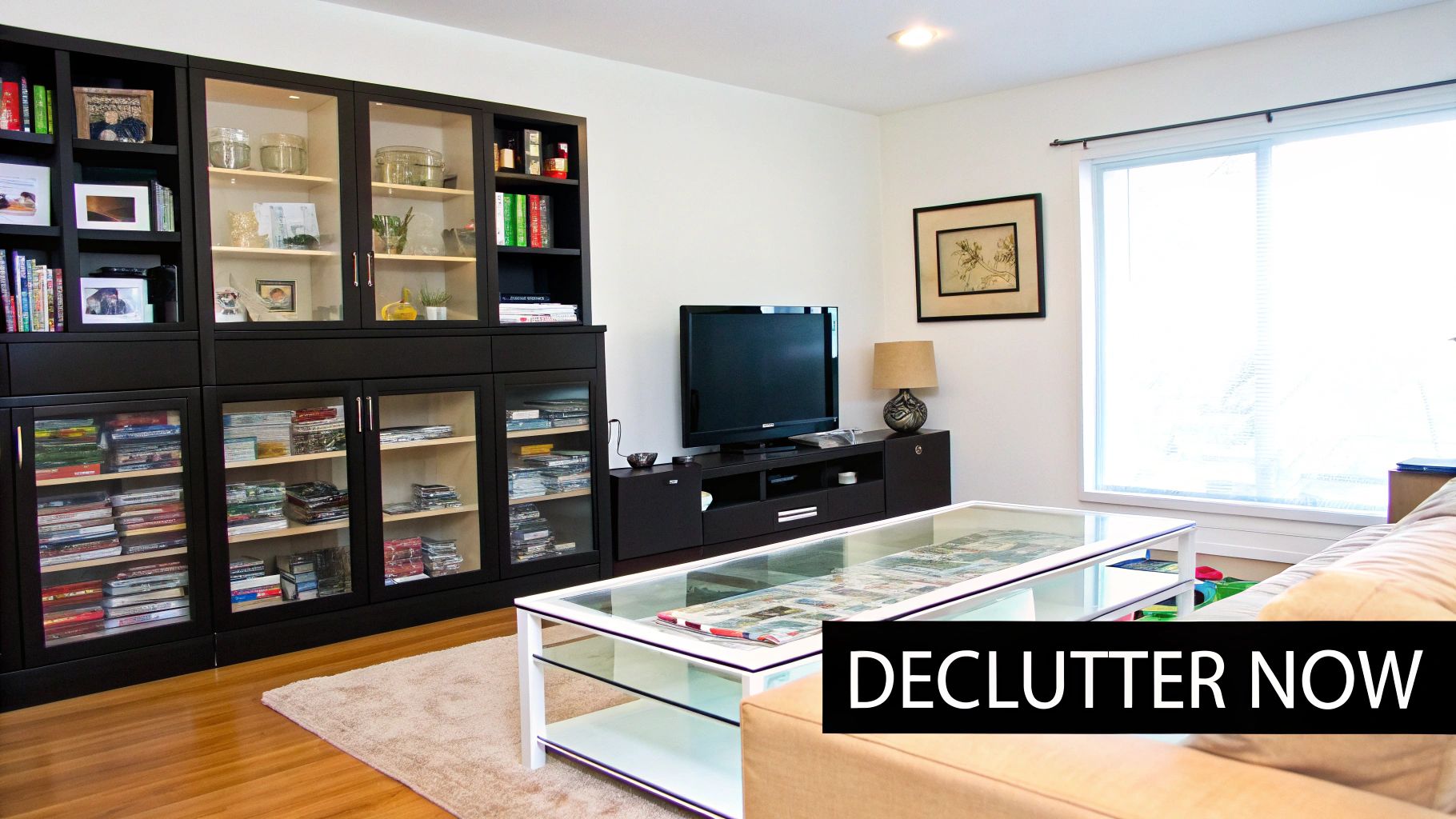
The journey to a successful sale truly begins on the street. Buyers often make a snap judgment within seconds of arriving. That initial feeling—good or bad—colours their entire viewing. If the exterior looks tired or neglected, they’ll walk inside looking for problems.
On the flip side, an inviting, well-maintained facade builds immediate confidence and excitement. This isn’t just about mowing the lawn; it’s about deliberately crafting a scene that makes buyers instantly picture themselves coming home to this house, every single day.
High-Impact Weekend Makeover Ideas
You don't need a huge budget to make a world of difference. A single, focused weekend can completely transform your home’s street presence. A great place to start is with a pressure washer. Hitting the driveway, footpaths, and exterior walls to blast away years of built-up grime is one of the most satisfying jobs and instantly makes the whole property look brighter.
Next, sweat the small stuff, because buyers certainly do. Are your house numbers looking a bit dated? Swap them for something modern and easy to read. And make sure every single exterior window is sparkling clean—it’s a small detail that signals you’ve taken meticulous care of the property.
A freshly painted front door is probably the single best return-on-investment project you can tackle. A bold but tasteful colour—think deep charcoal, classic navy, or even a rich burgundy—can make your entrance pop and gives off a custom, high-end vibe.
Strategic Landscaping And Lighting
Think of your garden as the frame for your home; it needs to look neat, tidy, and appealing. You don’t need a green thumb to pull this off. Just focus on a few key areas:
- Prune Overgrowth: Cut back any unruly trees or shrubs, especially if they're blocking windows or crowding pathways. This simple tidy-up makes the property feel more open and lets much more natural light stream inside.
- Add Fresh Mulch: Spreading a fresh layer of mulch over garden beds is a cheap and easy trick that makes the entire yard look polished and well-cared-for.
- Plant Seasonal Colour: A few pots of vibrant, seasonal flowers placed near the entryway adds a welcoming splash of colour and life. It's a small touch that goes a long way.
Finally, don't forget what your home looks like after dark. Plenty of buyers will do a drive-by in the evening after work. Make sure all your exterior lights are working, the fixtures are clean, and they're fitted with warm-toned bulbs. A few simple solar-powered lights along a walkway can create an inviting glow, ensuring your home looks just as stunning at night as it does during the day.
Help Buyers See Their Future By Decluttering Yours
When you're getting your house ready to sell, decluttering is one of the most powerful things you can do. This goes way beyond just a quick tidy-up; you're essentially creating a blank canvas. It’s all about allowing potential buyers to mentally move their own lives into the space, without being distracted by all of your stuff.
A room crammed with belongings instantly feels smaller, more chaotic, and less functional. The real goal here is to let buyers see the potential of the home, not your personal possessions. By clearing surfaces and getting rid of excess furniture, you’re not just cleaning—you’re strategically marketing your home’s square footage and serenity. This one step can single-handedly transform a property from feeling cramped and personal to spacious and brimming with possibility.
The Art Of Depersonalising Your Space
One of the toughest—but most critical—parts of this process is depersonalising. Buyers need to be able to picture themselves living in your home, which is incredibly difficult if every wall is covered in your family photos, your kids' drawings, and your personal collections. It’s time to carefully pack these sentimental items away.
Think of it like neutralising the space. When you remove these deeply personal touches, you help buyers connect emotionally with the property itself, rather than feeling like they're just guests in your family's home. It’s a subtle shift, but it makes a massive difference in how they perceive the house.
"A homebuyer should be able to walk through your house and picture their own furniture in each room, their own photos on the walls, and their own life unfolding there. Your personal items, as much as you love them, can be a major roadblock to that vision."
A Simple Framework For Clearing Out
Facing years of accumulated belongings can feel completely overwhelming. The best way to tackle it is with a simple, methodical approach. As you move through each room, sort every single item into one of four categories:
- Keep: Things you genuinely love and will definitely use in your next home.
- Store: Items you need but don’t use daily, plus all the decor you've packed away to depersonalise. These should be neatly boxed up and moved to an off-site storage unit or a designated spot in the garage.
- Donate: Anything in good condition that you no longer need or want.
- Toss: Items that are broken, expired, or just unusable.
This structured approach helps take the emotion out of it, turning a daunting task into a manageable process. And it’s absolutely vital, because buyers will open your cupboards and wardrobes to check out the storage space. If they’re met with messy, overflowing shelves, it sends a clear signal that the home simply doesn't have enough room.
In the competitive Australian property market, these details really matter. Buyers are selective, so a well-presented, decluttered home stands out and can ultimately fetch a better price. In fact, recent market data shows that homes prepared with aesthetic upgrades and thorough decluttering tend to achieve quicker, more profitable sales. You can find more insights into current Australian property market trends on eldersrealestate.com.au.
Smart Repairs And Updates That Actually Add Value
When it comes to getting your house ready for sale, you’d be surprised how much buyers notice the little things. I've seen it time and again—a dripping tap, a scuffed skirting board, or a light switch that doesn't quite work can plant a seed of doubt in a buyer's mind, suggesting a lack of maintenance. Tackling these minor issues is genuinely one of the most cost-effective ways to build buyer confidence and show your home has been loved.
Before you even think about major renovations, do a thorough walk-through of your own home. But this time, look at it with the critical eye of a potential buyer. Make a list of every small imperfection, from a door that sticks to a tiny chip in the paint. These fixes often cost more in time than money, but the impact on the overall presentation is huge.
Focusing On High-Impact, Low-Cost Wins
The trick is knowing the difference between essential fixes and expensive upgrades that won't give you a return on your investment. A full kitchen renovation is almost never necessary. But swapping out dated, clunky cabinet handles for sleek, modern hardware? That can instantly update the entire space for less than a hundred dollars.
It’s the same with old light fittings, which can make a room feel dark and dated. Replacing them with contemporary, energy-efficient fixtures is a simple weekend project that not only brightens up a room but also signals to buyers that the home is modern and well-maintained.
The goal isn't to completely remodel your home. It's to eliminate any red flags that might make a buyer hesitate. A fresh coat of neutral paint is the perfect example—it covers up imperfections, makes spaces feel larger and brighter, and gives buyers a blank canvas to imagine their own life there.
Small Changes That Make A Big Statement
Think about the things buyers physically touch during a viewing. Taps, light switches, and door handles are all high-contact points. Making sure they are clean, fully functional, and look good is a must.
Here are a few ideas to get you started:
- Kitchen Quick Wins: Beyond new handles, think about replacing a tired kitchen tap. A modern gooseneck tap can completely change the look of your sink area for a minimal outlay.
- Bathroom Touch-Ups: Re-grouting tiles is a fantastic, low-cost way to make a bathroom look sparkling clean and almost new. Also, ditch that old shower curtain for a simple, fresh white one.
- Lighting Consistency: Walk through each room and make sure all the light bulbs in a single fixture match in colour temperature and brightness. A mix of warm and cool light looks jarring and unprofessional.
I've put together a quick table to help you prioritise tasks that deliver the most bang for your buck.
High-Impact Pre-Sale Repairs And Updates
| Task | Estimated Cost (AUD) | Effort Level | Potential Buyer Impact |
|---|---|---|---|
| Fresh Coat of Neutral Paint (Interior) | $300 – $1,000 (DIY) | Medium | High |
| Replace Outdated Light Fixtures | $50 – $250 per fixture | Low | High |
| Update Cabinet & Door Handles | $50 – $200 | Low | High |
| Professional Carpet Cleaning | $200 – $500 | Low | Medium |
| Re-grout Bathroom/Kitchen Tiles | $100 – $300 (DIY) | Medium | High |
| Minor Landscaping & Garden Tidy | $150 – $500 | Medium | High |
| Replace Worn-out Taps | $150 – $400 per tap | Low-Medium | Medium |
Focusing on these kinds of updates helps create a polished, move-in-ready feel that buyers are willing to pay a premium for.
This image highlights the potential return on investment for a few key upgrades, particularly on the exterior.
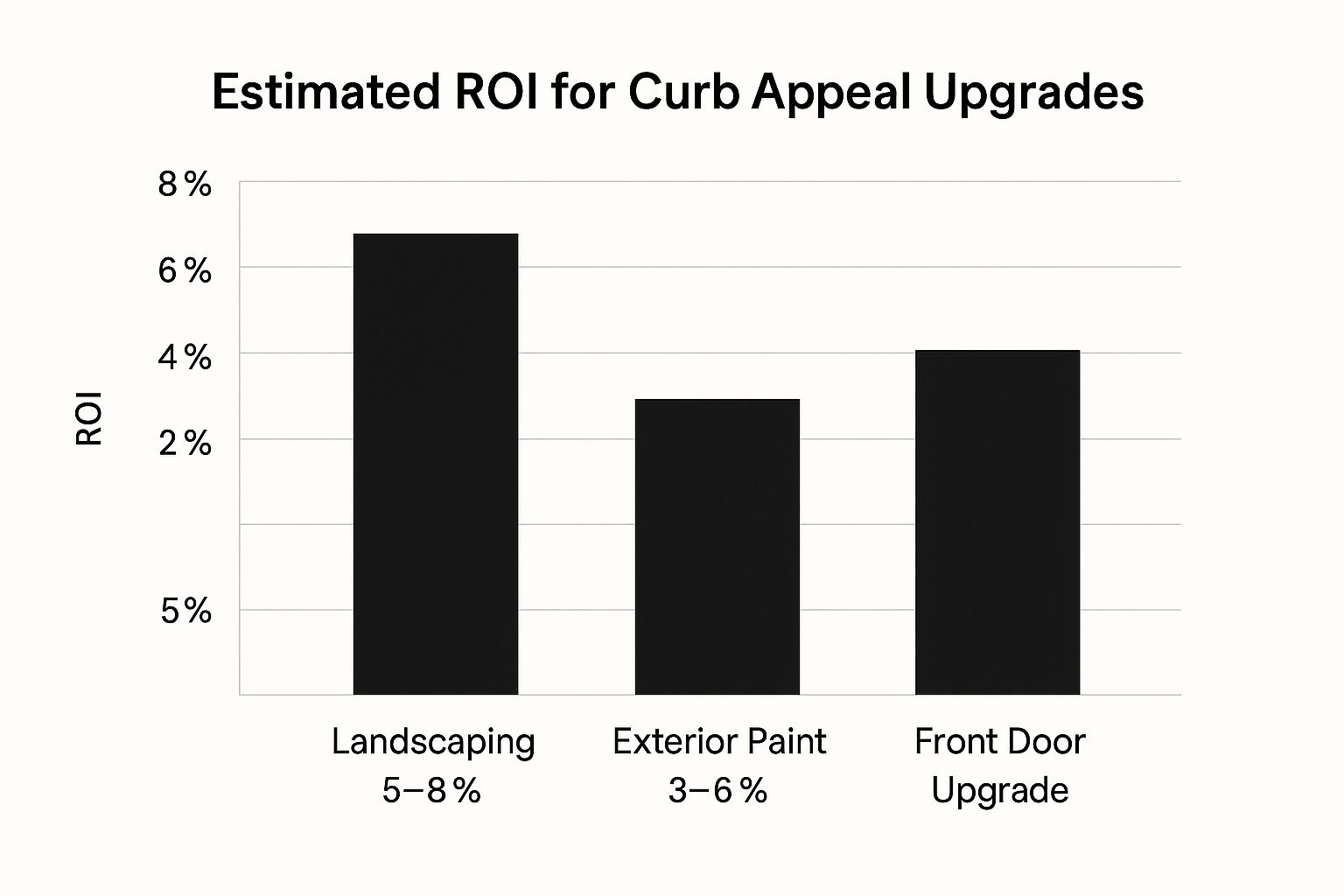
As you can see, even modest investments in your home's appearance can yield significant returns, boosting its appeal before buyers even step through the door.
These strategic updates are especially powerful in a strong market. Recent data from the ABS shows the mean price of a residential dwelling in Australia has reached $1,016,700, a sign that buyers are prepared to pay for well-presented properties. This makes smart, minor updates one of the best tools you have for maximising your final sale price.
Ultimately, every small improvement contributes to a polished and cohesive presentation. For a more detailed look at projects that can boost your property’s worth, you can read our guide on how to increase home value. These thoughtful repairs and updates show real pride of ownership and help you secure the best possible outcome when it's time to sell.
Staging Your Home To Create An Emotional Connection
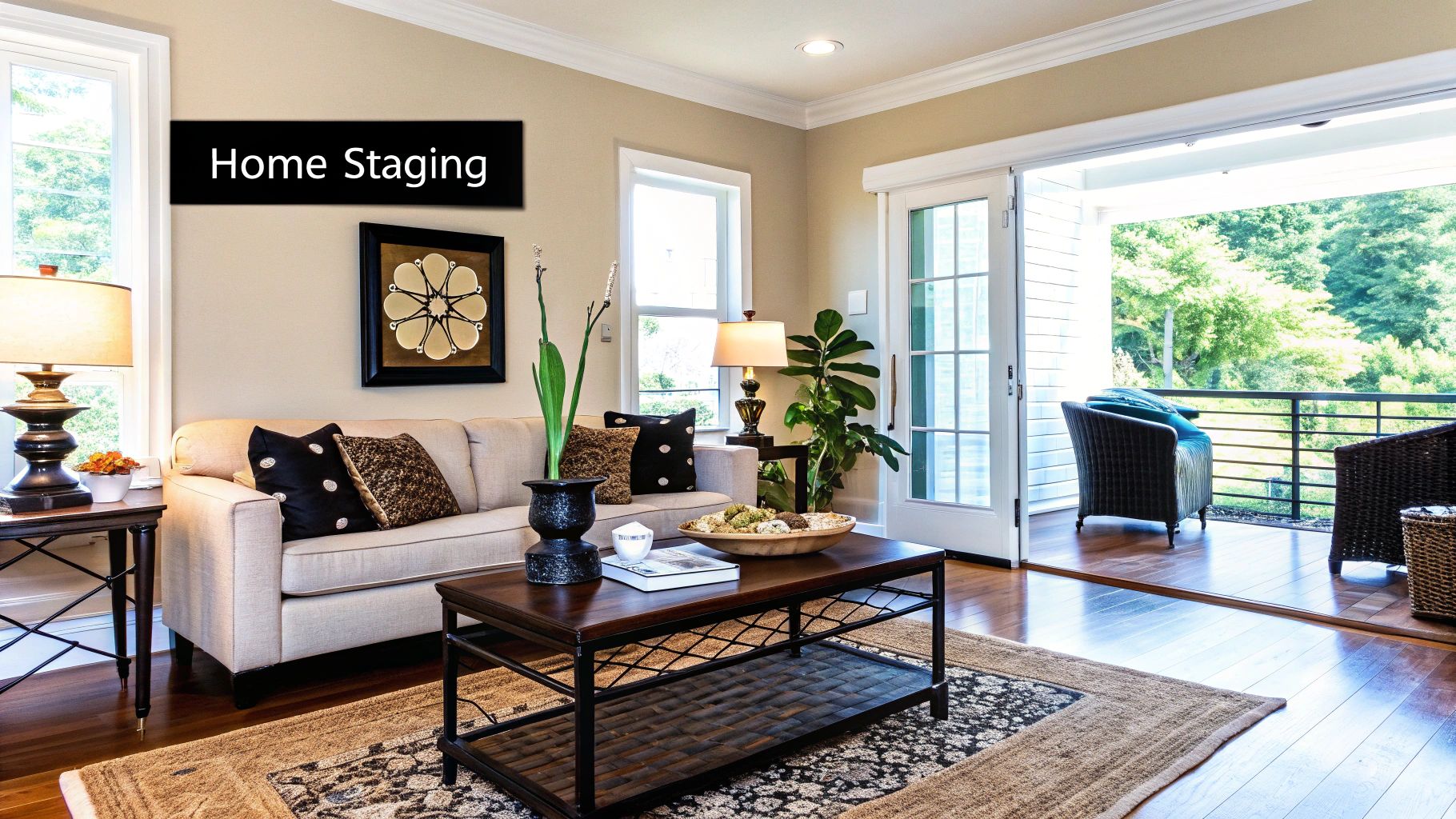
Once you’ve decluttered and handled the necessary repairs, it’s time for the real magic: staging. This is where you shift your property from being just a house into someone's future home. It’s much more than just arranging furniture; it’s a deliberate strategy to create an atmosphere that genuinely resonates with buyers on an emotional level. You want them to walk in and feel like they could move in tomorrow.
Good staging helps buyers visualise how they would actually live in the space. It gives every room a clear purpose and highlights its best features, making the whole home feel more functional, spacious, and inviting. Remember, a well-staged home doesn't just look better in photos—it feels better in person, and that feeling is what often leads to strong offers.
Maximising Space And Light
If there are two things every buyer wants more of, it’s space and light. Luckily, clever staging can create the illusion of both, even in rooms that are on the smaller side. Start by rethinking your furniture layout. Pulling sofas and chairs away from the walls to create cosy conversation areas is a classic trick that instantly makes a living room feel larger and more welcoming.
Mirrors are another secret weapon in your staging arsenal. A large, well-placed mirror can seemingly double the size of a room while bouncing natural light into any darker corners. Also, make sure every light fixture has bright, warm-toned bulbs. During viewings, open all curtains and blinds wide to flood the space with as much daylight as possible.
Staging isn’t about hiding flaws; it’s about highlighting potential. Your goal is to create a lifestyle that buyers aspire to. Turn the master bathroom into a spa-like retreat with fluffy white towels, a new bath mat, and a few luxury toiletries.
Tailoring Staging To Your Target Buyer
Knowing who is likely to buy your home gives your staging a serious advantage. In the current Australian rental market, the national vacancy rate is incredibly low at just 1.3%, making properties with investment potential highly sought after. If your home has a granny flat or a spare room that would make a great home office, staging it to show off this potential can be a game-changer. It demonstrates versatility and directly appeals to buyers looking for rental income opportunities. You can find more insights into the Australian residential market on cbre.com.au.
Here are a few room-specific ideas to get you started:
- Open-Plan Living: Use area rugs to define different zones—one for dining, one for lounging. This shows buyers how a large, open space can be used effectively without feeling cavernous.
- Spare Bedrooms: Don’t leave them empty. An empty room feels small and lacks purpose. Stage one as a comfortable guest room and another as a functional home office to showcase the home’s flexibility.
- Outdoor Areas: Create an inviting outdoor living space with some comfortable seating and a few pot plants. You want to help buyers envision themselves relaxing with a coffee or entertaining friends there.
Whether you tackle staging yourself or hire a professional really comes down to your budget and confidence. But honestly, even applying these basic principles can make a world of difference. For a deeper dive, check out our complete guide on staging your home for sale.
Your Pre-Inspection Final Touches Checklist
The 48 hours before your first open house are absolutely critical. This is where you shift from the big prep work to the final, meticulous touches that transform a clean house into an immaculate one. It's your last chance to make sure every detail comes together to create an atmosphere that feels both welcoming and impressive.
Think like a buyer walking through the door for the first time. What would you notice? This final polish is all about getting rid of any tiny turn-offs and making the home feel bright, fresh, and completely ready to move into.
The Deep Clean Details Buyers Notice
Buyers have a knack for looking in places you might not think about in your day-to-day life. That's why a detailed final clean can make all the difference. Concentrate your energy on the spots that signal a well-maintained home.
These are the absolute non-negotiables:
- Oven and Cooktop: They must be spotless. A greasy oven is a huge red flag for buyers, often suggesting a lack of care throughout the property.
- Skirting Boards and Cornices: Give them a thorough wipe-down to get rid of dust and scuffs. It’s a small job that makes an entire room look sharper and freshly painted.
- Window Sills and Tracks: Clean windows are a great start, but buyers will definitely notice dusty or grimy tracks when they glance outside.
- Light Switches and Door Handles: These are high-touch areas that collect fingerprints and dirt. Make sure they are wiped clean.
Don't just clean—deodorise. The best scent for a home on the market is no scent at all. Steer clear of strong air fresheners or candles, as they can make buyers wonder what you're trying to hide. Instead, just air out the house for an hour before they arrive for a genuinely fresh feeling.
Setting The Perfect Viewing Atmosphere
Creating the right mood is just as important as the cleaning itself. You want buyers to feel relaxed and comfortable, encouraging them to stay a while and really connect with the space. The goal is to make the home feel effortlessly welcoming from the moment they step inside.
First, set the temperature to a comfortable level. On a hot Mandurah day, walking into cool air conditioning is a massive relief. On a colder day, a bit of gentle warmth is incredibly inviting. Then, turn on every single light—that includes lamps and under-cabinet lighting—to make the entire property feel as bright and spacious as possible.
Finally, have all your materials ready. A neat stack of high-quality property flyers on the kitchen bench or entry table is a professional touch that gives buyers key information to take with them. It helps keep your home top of mind long after they’ve left.
For a complete rundown of the entire selling process, dive into The Ultimate Guide to Selling Your Home for more expert advice.
Common Questions About Prepping Your Home for Sale
Selling your home naturally brings up a lot of questions. With a sea of advice out there, it's easy to feel a bit lost. Let's cut through the noise and tackle some of the most common queries sellers have, giving you clear, practical answers to help you get your house ready with confidence.
Getting these key things right can save you from costly mistakes and make sure your efforts are spent where they'll make the biggest difference.
How Much Should I Spend On Pre-Sale Preparations?
A good rule of thumb is to budget around 1% of your home's estimated value for cosmetic touch-ups. So, for a $600,000 home, you're looking at about $6,000. This isn't for a full-blown renovation; we're talking about high-impact jobs like a fresh coat of neutral paint, fixing those little nagging repairs, a deep professional clean, and seriously boosting your curb appeal.
The real trick is to avoid overcapitalising. This is where your real estate agent becomes your most valuable asset. They know exactly what buyers in your local market are looking for and what they'll pay more for. They'll help you focus your spending on updates that genuinely add to your final sale price, not just changes you'd personally like.
Should I Get A Pre-Listing Building and Pest Inspection?
Yes, absolutely. In the Australian market, this is a savvy move. Arranging your own building and pest inspection before you list gives you a massive advantage. You get to find and fix any potential deal-breakers on your own time and budget, rather than getting blindsided by them during negotiations with a buyer.
Handing a clean inspection report to potential buyers builds instant trust and shows you have nothing to hide. It often leads to faster, more confident offers because it removes a huge question mark for them and can stop a deal from falling apart at the last minute.
Do I Need To Move Out While My House Is On The Market?
While you don't have to, moving out can make the whole selling process a lot less stressful. Trying to live in a home that has to be 'show-ready' 24/7 is tough, especially if you have kids or pets running around. A vacant home allows for perfect professional staging that stays untouched, guaranteeing the property looks its absolute best for every single inspection.
Of course, this means factoring in the cost of renting somewhere else. If you decide to stay put, you'll need a rock-solid plan for keeping the place immaculate and being ready to leave at a moment's notice for viewings. The right choice really comes down to your personal situation and what your budget allows.
Ready to discover what your Mandurah property is worth and get a personalised plan for a successful sale? David Beshay Real Estate offers a free, no-obligation property appraisal to get you started. Learn more and book your appraisal today!


Pingback: Your Essential Steps for Selling House in Australia - David Beshay Real Estate - The Agency
Pingback: 8 Essential Tips for Styling Home for Sale in Mandurah - David Beshay Real Estate - The Agency