


So, you're thinking about selling your Mandurah home yourself. Going the 'For Sale By Owner' (FSBO) route means you're in the driver's seat for the entire journey—no real estate agent involved. You'll handle everything from setting the price and marketing the property to negotiating with buyers and managing the paperwork.
The biggest draw? Potentially saving a bundle on agent commissions.
Is a Private Sale Really the Right Move for You?
Before you rush out and buy a 'For Sale' sign, let's get real about what selling your home privately actually involves. The main reason people consider it is, of course, the money. Avoiding thousands of dollars in commission fees is a very attractive prospect. This path gives you total control—you decide when to hold viewings, and you're the one talking directly with potential buyers.
But that control comes with a heavy dose of responsibility. Selling a home privately is a massive commitment of your time, energy, and often your own cash for marketing. You're not just the owner anymore; you're the agent, the marketer, the negotiator, and the administrator, all rolled into one. It’s a role that demands confidence, sharp communication skills, and a genuine understanding of the Mandurah property market.
This infographic lays out the key differences pretty clearly.
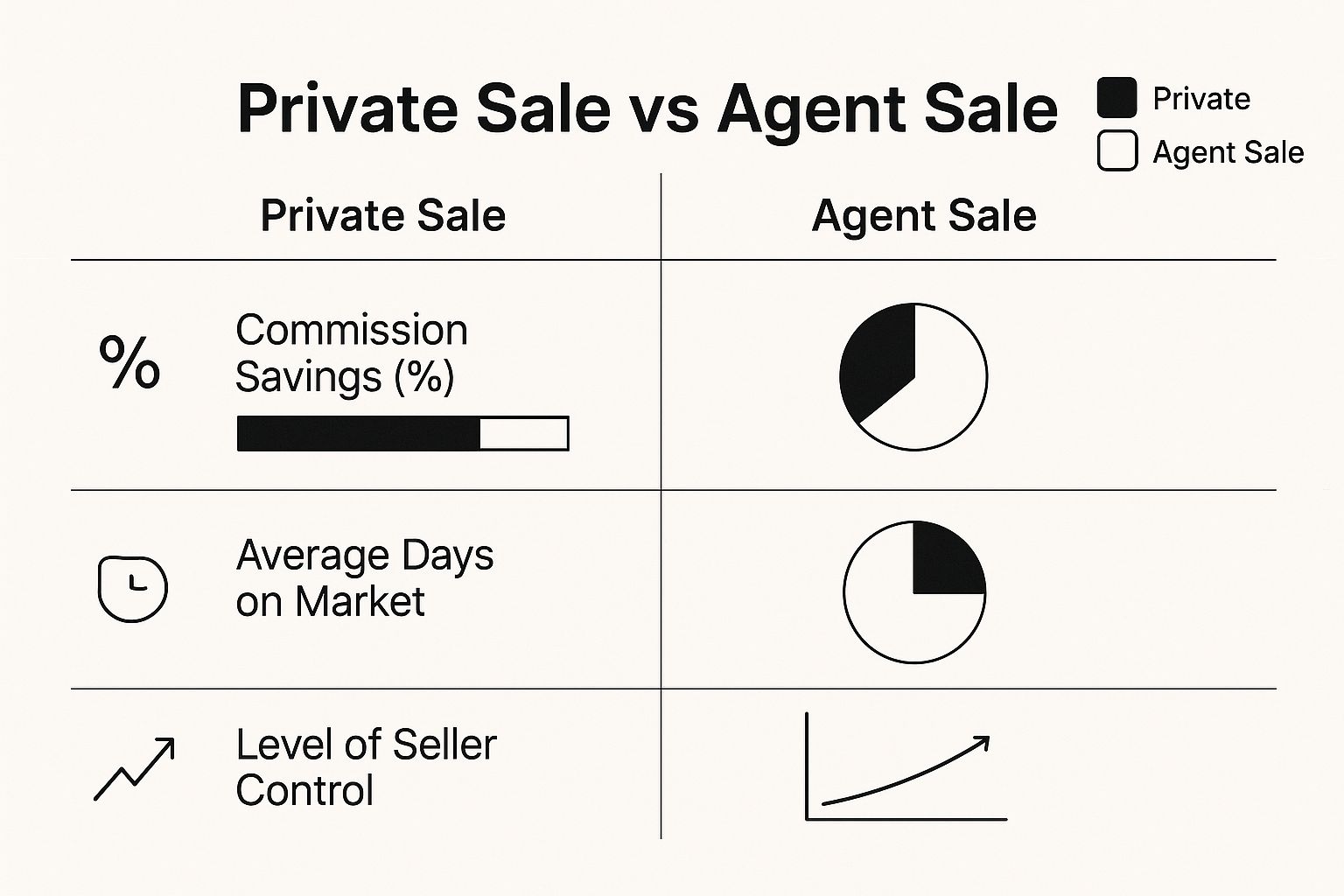
As you can see, there's a clear trade-off. While you pocket the commission, you're investing a lot more of your personal time and effort, and sometimes the sale can drag on longer than it would with an agent.
To give you a clearer picture, here’s a quick breakdown of what you're weighing up.
Private Sale vs Agent-Led Sale: A Quick Comparison
| Factor | Selling Privately (FSBO) | Using a Real Estate Agent |
|---|---|---|
| Costs | No agent commission fees. You pay for marketing, legal advice, and other services directly. | Agent commission (typically 2-3% of the sale price). Marketing costs are often included or negotiated in the fee. |
| Control | You have 100% control over pricing, scheduling, and negotiation strategy. | You delegate control to the agent, who acts on your behalf based on your instructions. |
| Time Commitment | High. You are responsible for all tasks, including fielding calls, hosting viewings, and follow-ups. | Low. The agent manages most of the day-to-day tasks, freeing up your time. |
| Market Exposure | Exposure is limited to the platforms you choose and pay for. | Agents provide broad exposure through the MLS, their professional network, and extensive marketing channels. |
| Expertise & Negotiation | You rely on your own knowledge and negotiation skills. It can be emotional negotiating for your own home. | Agents bring market knowledge, professional negotiation skills, and an objective perspective. |
| Legal & Paperwork | You are responsible for ensuring all legal requirements and paperwork are handled correctly. | The agent guides you through the process and ensures compliance, often working with your settlement agent. |
Ultimately, the choice comes down to your personal circumstances, skills, and comfort level with the risks involved.
Do You Have the Right Skills and Is the Market on Your Side?
A successful private sale often boils down to two things: your personal skill set and the current market conditions.
Be honest with yourself. Are you comfortable negotiating under pressure? Can you stay cool when a buyer tries to lowball you? Do you genuinely have the time to answer every single phone call and email promptly and be available for viewings, even on short notice? If you’ve got a background in sales, marketing, or even law, you’re already a few steps ahead.
The market itself plays a huge role. In a hot "seller's market," where there are more buyers than homes for sale, selling privately is much more manageable. Properties move quickly, and you might even get multiple offers, which makes negotiating a lot simpler. But in a slower market, you might find yourself missing the extensive network and marketing muscle that an experienced agent brings to the table.
A study by BrightMLS and Drexel University found that homes listed on the MLS (the main database agents use) sold for an average of 17.5% more than homes sold off-market. This really highlights the financial risk you take with limited exposure when selling privately.
Getting to Know Your Target Buyers
Knowing who you're selling to is just as critical as knowing how to sell. In Australia, the national homeownership rate sits at around 66%, but this number changes dramatically with age. For example, only 36% of Australians aged 25-29 own their home, largely due to affordability hurdles.
Understanding these kinds of local and national demographics helps you tailor your marketing and, crucially, your asking price to attract the right kind of buyer for your specific property in Mandurah.
While the financial upside of selling privately is tempting, it’s vital to go in with your eyes wide open to the potential challenges. For a deeper look at what can go wrong, have a read of our guide on the common pitfalls of selling your house privately.
Preparing Your Home to Impress Buyers
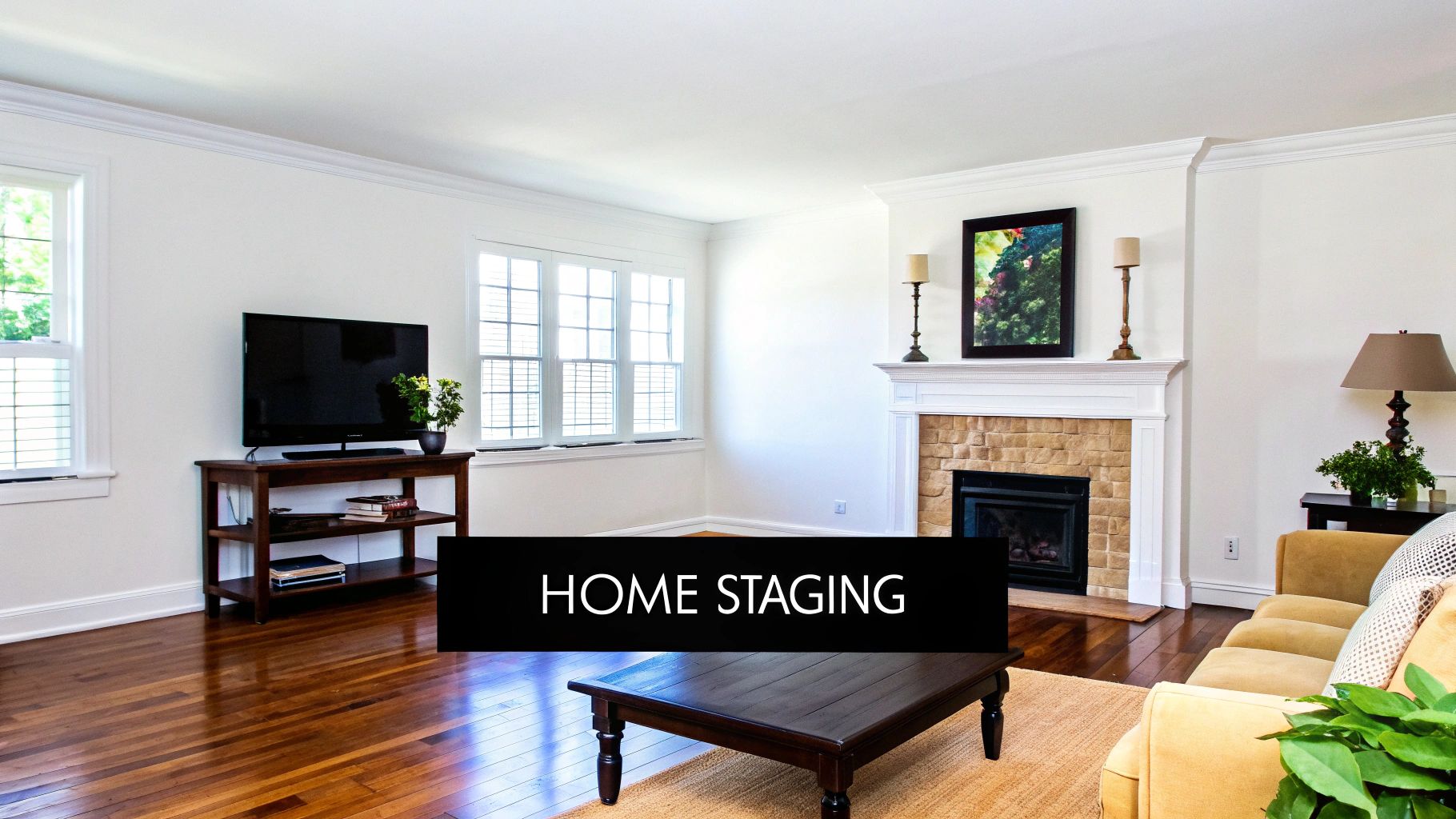
First impressions count for everything, especially when you're managing your own sale. Getting your home ready for the market is so much more than a quick tidy-up—it's about creating an experience that lets buyers instantly see themselves living there. This is a crucial step when selling a home privately.
The aim is to make your home feel spacious, bright, and impeccably maintained. Start by decluttering every single room. This isn't just about shoving things into cupboards (trust me, buyers will look there), but about removing personal items like family photos and excess furniture to create a neutral, welcoming space. Think of it as pre-packing; you're getting a tedious job done early while making your home far more appealing.
Focus on High-Impact Improvements
You don't need a full-blown renovation to make a huge impact. In fact, a few smart, low-cost upgrades can deliver a fantastic return and really make your property stand out from the competition.
- A Fresh Coat of Paint: You can't go wrong with neutral colours. Off-white, light grey, or beige have incredibly broad appeal and make rooms feel larger, brighter, and cleaner.
- Modernise Fixtures: Swapping out dated cabinet handles, light fittings, and tapware is a simple weekend job that can instantly update the feel of your kitchen and bathrooms.
- Boost Kerb Appeal: Your front garden is the very first thing buyers see. Fresh mulch, neatly trimmed hedges, a mowed lawn, and a nice pot plant by the door create a seriously welcoming entrance.
- Deep Clean Everything: This one is non-negotiable. If your budget allows, pay for a professional deep clean. They’ll get into the windows, grout, skirting boards, and carpets, making the entire home sparkle.
These small touches send a powerful signal to buyers that the home has been well looked after, building their confidence in the property from the get-go. For more detailed guidance, check out our complete checklist on how to properly prepare your house for sale.
The Power of Professional Photography
When you're selling privately, your online listing is your single most powerful marketing tool. Grainy, poorly lit photos taken on your phone will have buyers scrolling right past before they even read your description. Hiring a professional property photographer is one of the best investments you can make.
Professionals know how to use wide-angle lenses, proper lighting, and editing techniques to make every room look its absolute best. Their work will capture your home’s key features and create an emotional hook for buyers browsing online.
When your listing is online, it's competing for attention. It absolutely has to look its best. Listings with professional photos get significantly more clicks and enquiries, which directly translates to more potential buyers walking through your door.
Crafting a Compelling Property Description
Your property description should do more than just list off features; it needs to tell a story. Move beyond simply stating "three bedrooms, two bathrooms" and start painting a picture of the lifestyle your home offers.
Instead of just "large backyard," you could try, "a spacious, north-facing backyard that's perfect for year-round entertaining and family barbecues." Mention the beautiful morning sun that streams into the kitchen or the quiet, friendly street that's perfect for an evening walk. This kind of narrative helps buyers connect emotionally, making your property far more memorable and desirable.
How to Price and Market Your Property

When you decide to sell your own home, you're stepping into the two most important roles: the pricing strategist and the marketing director. Nailing these jobs is the difference between a quick, successful sale and a property that sits on the market for months, only attracting lowball offers.
Get this right, and you’ll have serious buyers lining up.
Setting the right price isn’t about plucking a number from thin air or deciding what you feel your home is worth. It’s a science, backed by solid data. The goal is to hit that sweet spot—a price that’s competitive enough to draw people in but high enough to reflect your home’s true market value.
Setting a Realistic Asking Price
First things first: you need to become an expert on the Mandurah property market. Forget what your neighbour sold for last year; the market moves fast. Your focus should be on what’s happening right now.
Start by digging into recent sales of properties that are a close match to yours in size, age, condition, and, of course, location. This is the most reliable guide you'll have.
- Analyse Comparable Sales: Jump onto the 'sold' sections of websites like Realestate.com.au and Domain. Look for properties in your suburb that have sold in the last three to six months. This is your reality check.
- Assess Current Listings: See what you're up against. What are other homes like yours currently listed for? Take note of how long they've been on the market. If a similar house has been sitting there for months, it’s a big red flag that it’s overpriced.
- Consider a Professional Valuation: This is a smart move. For a few hundred dollars, an independent valuer will give you an unbiased, detailed report on your property's value. Think of it as an insurance policy against getting the price wrong. It's also a powerful tool to have in your pocket during negotiations.
This research isn't just about numbers; it's about grounding your expectations. It’s easy to be emotionally attached and overvalue your home, but buyers are looking at it purely from an investment perspective, comparing it to everything else available.
Remember, the first 30 days on the market are pure gold. A well-priced home generates the most buzz and attracts the most serious buyers right out of the gate. Price it too high from the start, and your listing will quickly go stale.
It’s also crucial to zoom out and look at the bigger picture. Selling privately in Australia means you’re part of a market influenced by national trends. For instance, as of March 2025, the average house price in Australia cracked $1,002,500 for the first time, pushing the total value of all residential property to a record $11.4 trillion. Understanding these powerful forces helps you position your property strategically. You can learn more about the current Australian housing market trends and what drives them.
Building Your Marketing Plan
With your price locked in, it’s showtime. You need to let everyone know your home is for sale. As a private seller, you don’t have an agent’s database, so you need to be smart and use a multi-channel approach to get maximum exposure.
Your marketing toolkit should include a mix of the old and the new:
- A Killer Online Listing: This is non-negotiable and your most powerful weapon. Use a platform designed for private sellers that pushes your listing out to the major portals like Realestate.com.au and Domain. This is where your professional photos and compelling description will do the heavy lifting.
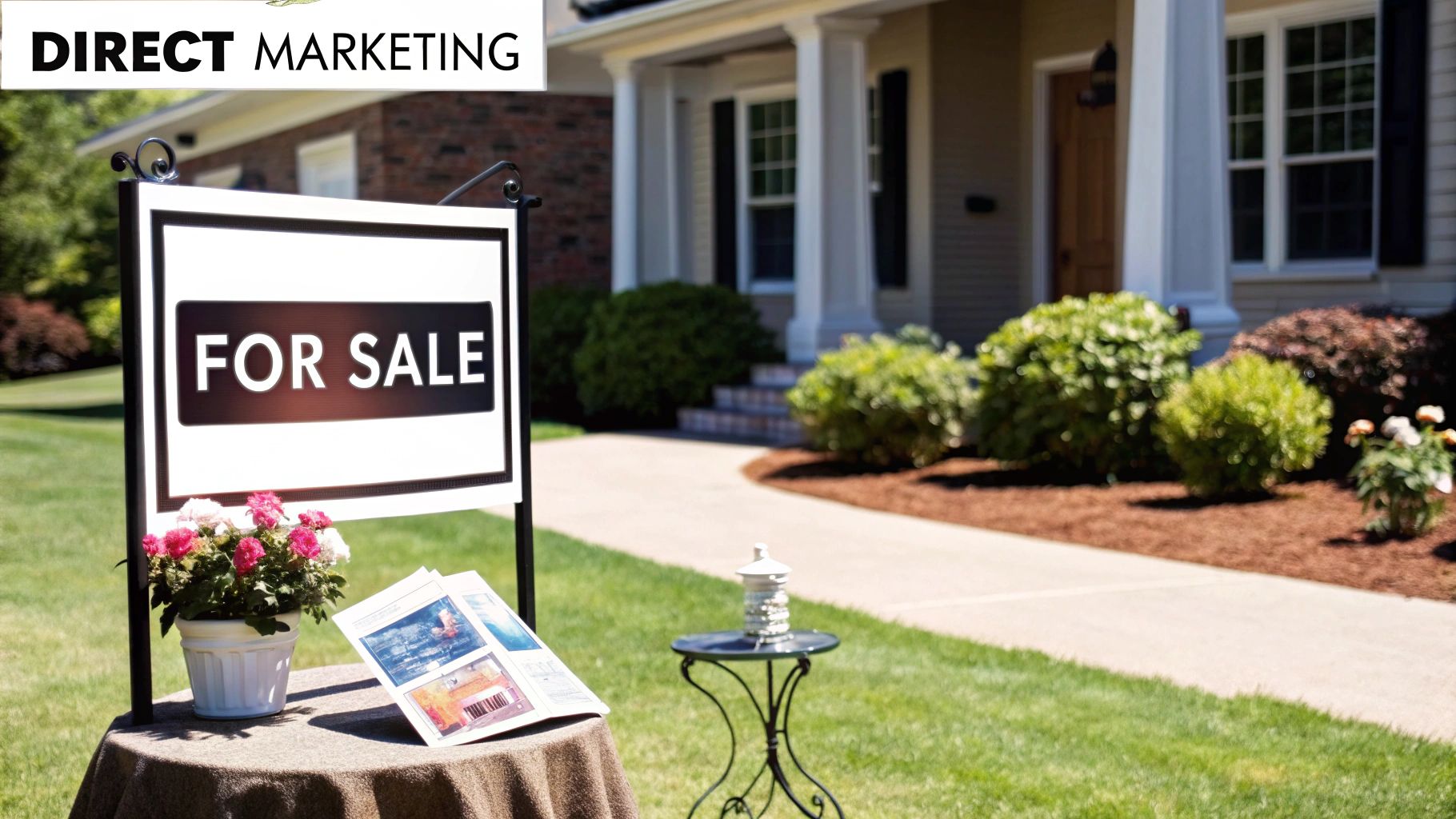
- Professional Signage: A classic "For Sale" sign still works wonders. Make sure it’s big, looks professional, and has your phone number in clear, easy-to-read font. It’s amazing how many buyers come from the local area or are just driving through a neighbourhood they love.
- Social Media Buzz: Don't underestimate the power of your own network. Share your listing on Facebook, highlighting the best features and asking friends and family to spread the word. For a small investment, you could even run a targeted Facebook ad campaign aimed at people in the Mandurah area who have shown interest in property.
- High-Quality Flyers: Create a simple but professional-looking, single-page flyer to hand out at viewings. It should showcase the best photos, a summary of key features, and your contact details. This gives potential buyers something tangible to take away and remember your property by.
Right, so you've got your marketing out there and the phone starts to ring. This is where the real work begins. How you handle these first conversations can make or break a potential sale, especially when you're selling privately. Every single call and email is your chance to build rapport and edge closer to that sold sticker.
Being quick to respond is absolutely critical. In a hot market like Mandurah, buyers have plenty of options and they simply won't wait around if you take a day to get back to them. I always tell people to aim for a reply within a couple of hours—it shows you’re motivated and professional. It’s also a good idea to keep a simple notebook or a spreadsheet to track who you've spoken to, their details, and what they asked. You'll thank yourself later.
Sifting Through the Enquiries
Let's be honest, your time is precious. The last thing you want is to spend hours cleaning and prepping your home for someone who isn't in a position to buy. This is why a bit of gentle pre-qualification is a smart move before you book a viewing. It’s not about giving them the third degree, but rather about figuring out if they're a serious contender.
A few friendly questions can tell you a lot:
- "Have you already spoken to a bank or broker and been pre-approved for a home loan?"
- "Are you looking to move into the Mandurah area soon, or just exploring options?"
- "Is your purchase conditional on selling your current home?"
These simple questions are your filter. They help you separate the genuine buyers from the weekend window-shoppers, making sure the people who walk through your door are actually ready to make a move. This one step can save you an incredible amount of time and effort.
Running a Home Tour That Sells
When it’s time for the viewing, you want people to walk in and immediately feel at home. It’s all about creating the right atmosphere. Put on some quiet, ambient music, make sure the house is at a comfortable temperature, and throw open all the blinds to flood the place with natural light.
My advice? Don't give a rigid, rehearsed tour. Let the buyers wander and explore at their own pace. You can be on hand to point out the little things they might overlook, like the brand-new hot water system, the fully reticulated gardens, or that extra storage space in the garage.
Be ready for the common questions about council rates, average utility bills, and why you’re moving. Being upfront and honest builds trust, and trust is your biggest asset when you’re negotiating a deal one-on-one.
Finally, a quick but important note on safety. Never, ever conduct a viewing on your own. Always have a friend or family member there with you. It’s also a perfectly reasonable security measure to ask for a quick photo of their driver's licence before they come inside. It’s a simple step that provides great peace of mind.
Navigating Offers and Legal Requirements
Receiving that first offer is a genuinely exhilarating moment. It's the point where all your hard work preparing and marketing your Mandurah home starts to pay off. But this is also where you need to switch gears from marketing to serious negotiation and legal diligence.
When an offer lands, the natural reaction is to look straight at the price. But it's crucial to resist making a snap decision. Take your time and look at the entire offer, because the conditions attached are often just as important as the dollar figure.
What should you be looking for?
- Finance Clause: How long is the buyer asking for to get their loan approved? A shorter timeframe, say 14 or 21 days, is much stronger than 28 days or more.
- Building and Pest Inspections: It's standard for buyers to include this. Just make sure you understand the process and what happens if issues are found.
- Settlement Date: Does their proposed date line up with your own moving plans?
Think about it this way: a high offer with a long finance clause and a delayed settlement might actually be less attractive than a slightly lower, unconditional cash offer that can settle in 30 days. It’s all about weighing up the total package.
Mastering the Art of the Counter Offer
It's pretty rare for the first offer to be the final one. The counter-offer is a normal and expected part of the negotiation dance, especially when you're selling privately.
If the offer isn't quite where you need it to be, you can respond with a formal counter-offer. And this isn't just about bumping up the price; you can also tweak the conditions.
For instance, you might accept their price but propose a shorter settlement period that works better for you. Or you could meet them in the middle on price if they agree to remove a specific condition. The key is to keep all communication clear and in writing to avoid any confusion. For a deeper dive, our guide on the Western Australia offer and acceptance process breaks down these steps in more detail.
Your goal during negotiations isn't to "win" at the buyer's expense. It's about finding that sweet spot—a win-win scenario where both you and the buyer feel you've landed a fair deal.
Engaging Your Legal Team Is Non-Negotiable
If you take only one piece of advice from this guide, let it be this: you absolutely must engage a professional conveyancer or settlement agent. They are your safety net. While you’re managing the sale, they are the experts making sure the transaction is legally sound and your interests are protected.
Your settlement agent will handle all the critical backend work, including:
- Preparing the formal Contract of Sale (the Offer and Acceptance form in WA).
- Running all the necessary property searches and checks.
- Coordinating with the buyer's settlement agent and their bank.
- Managing the transfer of title and ensuring funds are handled correctly at settlement.
Trying to tackle the complex legal paperwork yourself is a recipe for disaster. A good settlement agent is worth their weight in gold, giving you peace of mind that every legal 'i' is dotted and 't' is crossed.
Got Questions About Selling Privately? You're Not Alone.
Thinking about selling your home yourself is a big step, and it’s natural to have a few questions swirling around. It's a path that can be incredibly rewarding, but you want to walk it with your eyes wide open. Let's tackle some of the most common things Mandurah homeowners ask when they're considering a private sale.
Can I Handle the Legal Paperwork Myself?
This is probably the number one question, and for good reason—the legal side of things is serious business. While technically you can attempt to manage the paperwork on your own, I'd strongly advise against it. It's just not worth the risk.
Think of a settlement agent or conveyancer as your legal safety net. They're the professionals who draft the official Contract of Sale, run all the necessary property checks, and make sure the title transfer is airtight and legally sound. Trying to do this yourself opens you up to massive potential liabilities. This is one corner you definitely don't want to cut.
How Do I Market My Home Effectively Without an Agent?
Fantastic question. Without an agent's database, your marketing strategy needs to be sharp and proactive to pull in the right kind of buyers. The great news is, you've got some powerful tools at your fingertips.
Your first port of call has to be a brilliant online listing. You'll want to use a private seller platform that pushes your ad out to the big players like Realestate.com.au and Domain. With a staggering 91% of buyers starting their property hunt online, being highly visible on these sites is non-negotiable.
But don't stop there. A smart, multi-channel approach often gets the best results:
- A Professional "For Sale" Sign: Don't underestimate the power of a quality sign out front. It's a simple, classic tool that grabs the attention of locals and anyone driving through your neighbourhood.
- Get Social: Put together a great post for Facebook with your absolute best photos. Share it, and then ask your local friends and family to spread the word on Mandurah community pages. You'd be surprised how effective this can be.
- The Humble Letterbox Drop: A professionally designed flyer delivered to surrounding streets can be a game-changer. It often alerts neighbours who might have friends or family desperate to move into your area.
The real secret to private sale marketing isn't a massive budget. It’s all about creating a killer online presence and backing it up with smart, local efforts that get your home in front of as many eyes as possible.
What If I Get the Price Wrong?
Pricing is easily the most nerve-wracking part of selling your own home. The fear of getting it wrong is completely understandable. Go too high, and your property sits on the market getting stale, making buyers wonder what's wrong with it. Go too low, and you're leaving hard-earned money on the table.
Your best defence against this is solid, objective research. This isn't the time for gut feelings or pricing based on what you need to walk away with. You have to anchor your price in hard data from recent, comparable sales in your specific pocket of Mandurah.
If you’re still second-guessing yourself, spending a few hundred dollars on a formal valuation from an independent, certified valuer is money well spent. It gives you an unbiased, expert figure and a professional report to justify your price during negotiations. It’s a powerful tool to have in your back pocket.
Feeling like you could use a hand navigating the private sale process? At David Beshay Real Estate, we provide expert advice and free, no-obligation property appraisals to give you a clear picture of your home's current market value. Let's have a chat about how the right strategy can help you smash your property goals. Learn more and book your free appraisal today!

