


The final walkthrough before settlement is your last chance to ensure the property is in the agreed-upon condition. It’s a crucial step that protects you from inheriting unexpected problems and costly repairs right after you receive the keys. This definitive pre settlement inspection checklist is designed for Australian homebuyers, particularly those exploring the vibrant Western Australian market in areas like Mandurah, to methodically assess every critical aspect of their new home. It’s your opportunity to confirm that all agreed-upon repairs have been completed and that no new issues have arisen since the initial inspection.
This guide moves beyond generic advice, providing a detailed, actionable framework. From the foundation's integrity to the roof's condition, we'll guide you through 8 essential checkpoints, covering structural elements, major systems like electrical and plumbing, and the overall state of the interior and exterior. Using this comprehensive checklist ensures you can verify that the property meets all contractual obligations and that everything is in working order. This process empowers you to proceed to settlement with confidence, knowing your investment is secure and free from last-minute surprises. Let’s walk through the essential items to check before you finalise your purchase.
1. Structural Integrity and Foundation Assessment
The cornerstone of any property's longevity and safety lies in its structural integrity. A pre-settlement inspection must prioritise a thorough assessment of the foundation, load-bearing walls, beams, and sub-floor areas like basements or crawl spaces. This step involves looking beyond cosmetic finishes to identify potential red flags that could signify costly and complex problems down the track. It's a critical component of any comprehensive pre settlement inspection checklist because structural defects are often the most expensive issues to rectify.
This evaluation aims to detect issues like foundation cracks, uneven settling, signs of water intrusion, and any damage to essential structural components. Early identification protects your investment and ensures the home you are purchasing is safe and sound for occupancy.
Why This Assessment is Crucial
Ignoring potential structural problems can lead to devastating financial and safety consequences. For instance, discovering significant cracking in a 1980s brick home's foundation before settlement allows a buyer to renegotiate terms or withdraw from the sale, avoiding a potential repair bill that could exceed $50,000. Similarly, identifying dampness and water stains in a basement during the final walk-through can prevent future mould growth and associated health risks.
Actionable Inspection Tips
To ensure a thorough assessment, follow these practical steps:
- Look for Red Flags: Be vigilant for tell-tale signs of structural movement. These include doors and windows that stick or don't close properly, sloping or uneven floors, and visible cracks in interior plasterboard or exterior brickwork, especially around openings.
- Inspect After Rain: If possible, schedule your final inspection after a period of heavy rainfall. This is the best time to check for active water leaks, damp spots in the basement or sub-floor, or poor drainage around the property's perimeter.
- Engage a Professional: For older homes, properties built on reactive clay soil, or if you notice any concerning signs, it's wise to hire an expert. Engaging one of the best building inspectors in Perth can provide the specialised knowledge needed to accurately assess the situation. A structural engineer can offer definitive insights into the severity of any issues.
2. Roof Condition and Integrity Inspection
A property's roof is its primary defence against the elements, and its condition is a non-negotiable part of your final check. A thorough roof inspection involves evaluating the materials (tiles, shingles, or metal sheeting), flashing around vents and chimneys, gutters, and downpipes. This assessment is a vital part of any pre settlement inspection checklist because a roof replacement is one of the most significant and costly expenses a new homeowner can face.
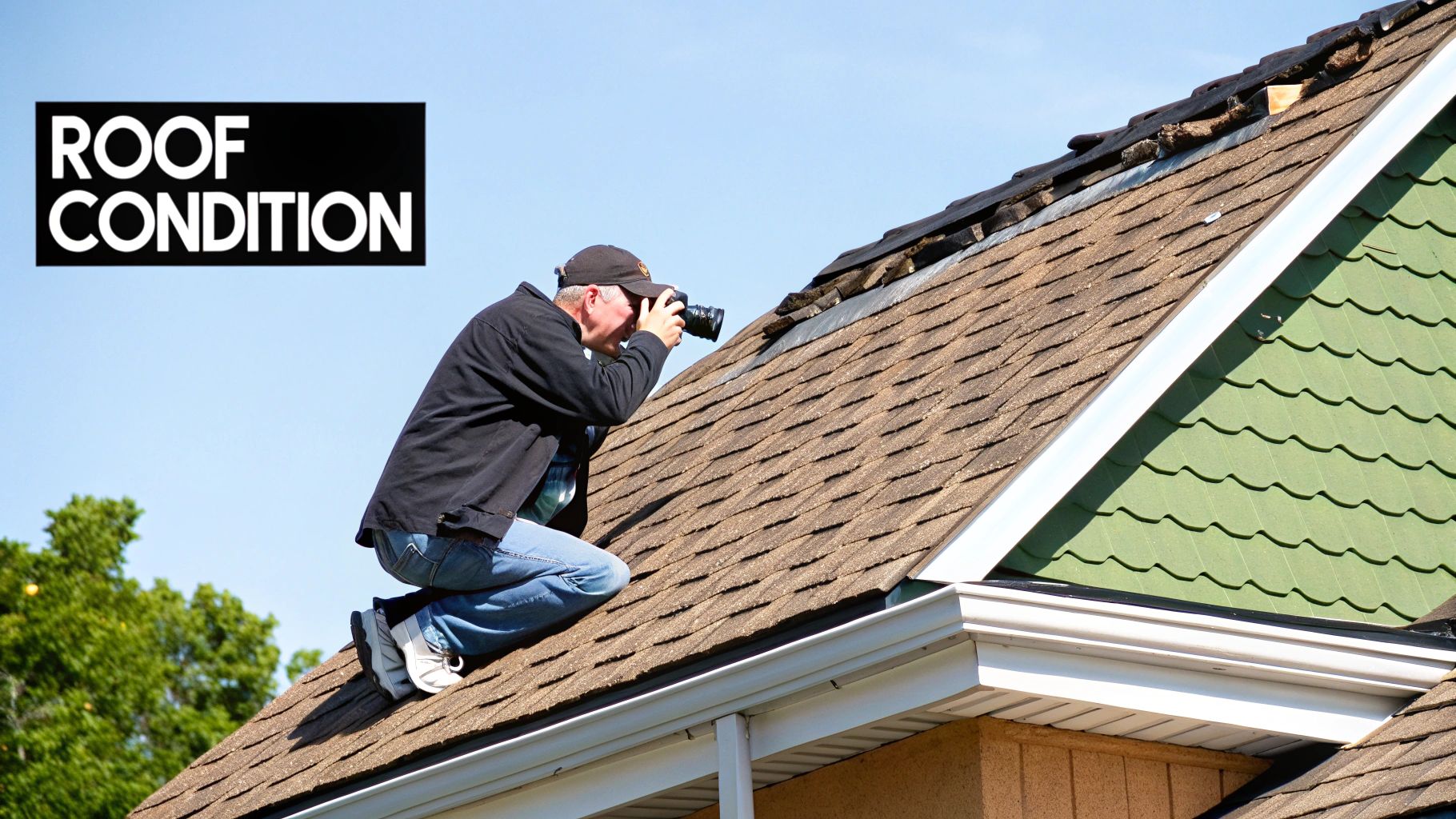
This evaluation aims to identify any existing leaks, potential points of failure, damaged or missing components, and the overall remaining lifespan of the roofing materials. Uncovering these issues before settlement provides an opportunity to address them with the seller, safeguarding your immediate and long-term financial outlay.
Why This Assessment is Crucial
Overlooking roof defects can lead to extensive and expensive secondary damage, such as water stains on ceilings, structural rot in the attic, and mould proliferation. For instance, discovering that the 15-year-old asphalt shingles on a home are already curling and losing granules indicates they are near the end of their lifespan, allowing a buyer to budget for a replacement that could cost over $20,000. Similarly, identifying missing flashing around a chimney can prevent a hidden leak that might otherwise cause thousands in attic and interior wall damage.
Actionable Inspection Tips
To conduct a detailed roof assessment, follow these practical steps:
- Check the Attic First: Before looking outside, inspect the attic or ceiling cavity for signs of water intrusion. Look for water stains on the timber or insulation, damp spots, or mould growth, which are clear indicators of a roof leak.
- External Visual Inspection: From the ground, use binoculars to get a closer look at the roof's surface. Check for cracked, slipped, or missing tiles, lifting metal sheets, or significant granule loss on shingles. Pay close attention to ridge capping and valleys, as these are common problem areas.
- Assess Gutters and Downpipes: Ensure gutters are clear of debris, securely attached, and sloped correctly towards the downpipes. Clogged or damaged gutters can cause water to overflow back into the roof eaves, leading to rot and water damage.
- Request Documentation: Ask the seller for any documentation or warranties related to recent roof repairs or replacements. Knowing the age of the roof is crucial for estimating its remaining life. For more detailed guidance, a comprehensive home inspection checklist for Australia can provide additional points to cover.
3. Electrical System and Safety Inspection
A property's electrical system is its central nervous system, and ensuring its safety and functionality is non-negotiable. This part of the inspection involves a comprehensive evaluation of the service panel (fuse box), visible wiring, outlets, switches, and critical safety devices. The goal is to identify outdated or hazardous systems, inadequate service capacity, and potential fire or shock risks. Faulty electrics are not just inconvenient; they pose a severe safety hazard and can be exceptionally costly to remediate, making this a vital step in any pre settlement inspection checklist.
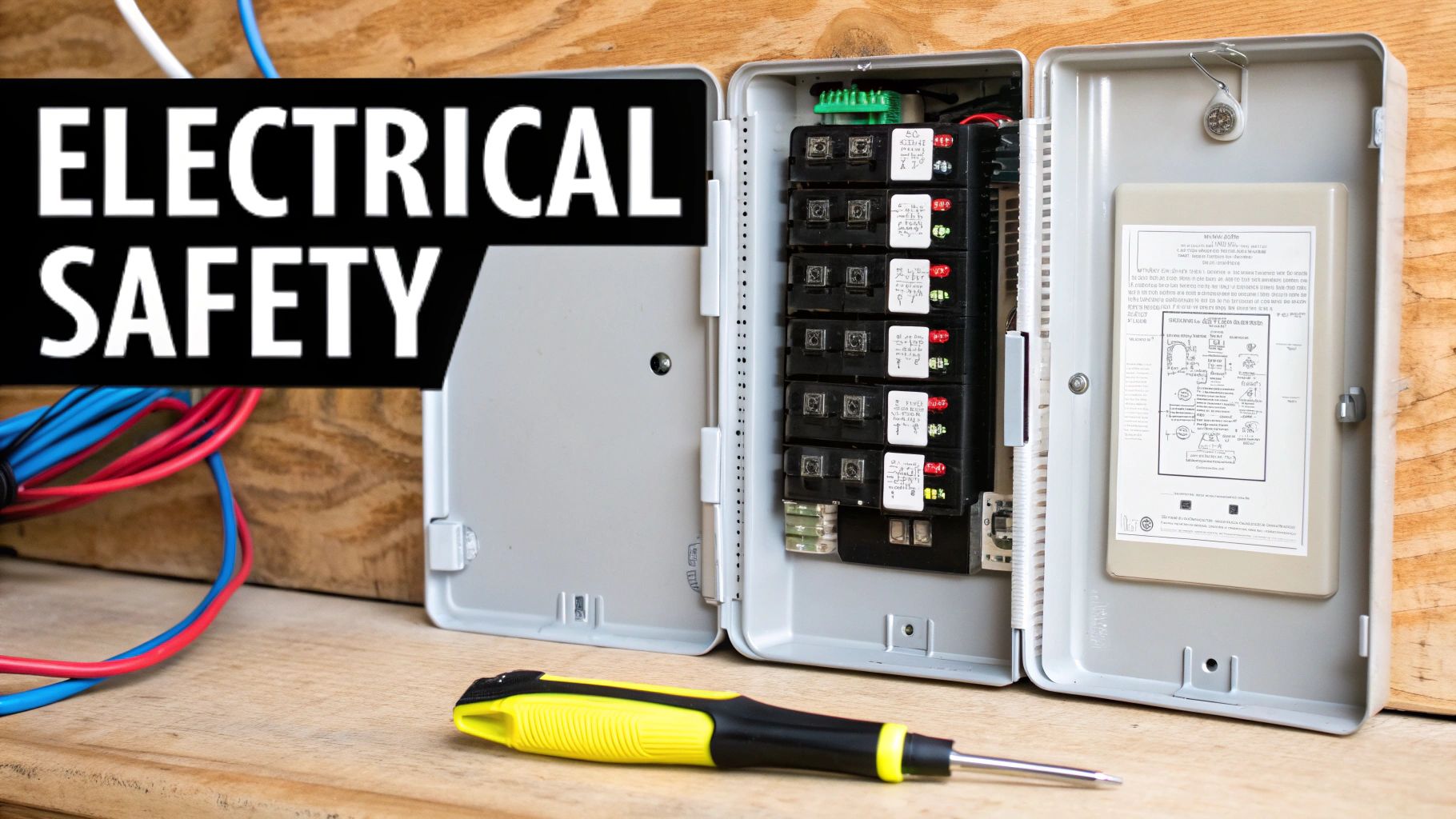
This evaluation looks for issues like old knob-and-tube wiring, dangerous aluminium wiring common in homes built before the mid-1970s, and overloaded circuits. Uncovering these problems before settlement provides an opportunity to address them with the seller, preventing you from inheriting a dangerous and expensive situation.
Why This Assessment is Crucial
Overlooking electrical deficiencies can have catastrophic consequences. For example, a buyer inspecting a 1960s character home in Mandurah might discover it still has an original 60-amp service panel, which is insufficient for modern appliances and air conditioning, creating a significant fire risk. Identifying this before settlement allows them to negotiate a switchboard upgrade, a job that could cost thousands. Similarly, finding missing safety switches (RCDs) or improperly grounded outlets in wet areas like kitchens and bathrooms protects the future occupants from potential electric shock.
Actionable Inspection Tips
To conduct a thorough electrical review, follow these practical steps:
- Test and Verify: Use a simple circuit tester (available from hardware stores) to check that power points are correctly wired and grounded. Flick light switches on and off to ensure they function properly.
- Inspect the Switchboard: Look for signs of overheating, such as discolouration or a burning smell around the panel. Check for proper RCDs (safety switches) and circuit breakers, and note if any are frequently tripping, which indicates an overloaded circuit.
- Identify Old Wiring: Be aware of signs of older, potentially hazardous wiring. If the home was built before 1975, ask about aluminium wiring. If it's a pre-1940s home, be vigilant for signs of outdated knob-and-tube systems.
- Seek Professional Advice: If the switchboard is over 30 years old, if you suspect aluminium wiring, or if anything seems amiss, it is essential to engage a licensed electrician. They can provide a detailed report and written estimates for any required upgrades or repairs.
4. Plumbing System and Water Supply Assessment
A property’s plumbing is its circulatory system, delivering fresh water and removing waste. A pre-settlement inspection must include a meticulous evaluation of the entire network, from water supply lines and drainage systems to fixtures and hot water units. This process uncovers hidden issues like leaks, corrosion, low water pressure, and potential sewage problems, which can lead to significant water damage, mould growth, and costly emergency repairs. Including this check in your pre settlement inspection checklist is non-negotiable, as plumbing faults are notorious for causing extensive and expensive damage.
This assessment aims to verify that all components are functional, compliant with regulations, and free from defects. Identifying potential problems before settlement provides an opportunity to request repairs or renegotiate, protecting you from inheriting a looming plumbing disaster.
Why This Assessment is Crucial
Overlooking plumbing issues can result in catastrophic failures. For instance, discovering that a 1970s home still has original galvanised steel pipes, which are prone to internal corrosion and blockages, can save a buyer thousands in eventual re-piping costs. Similarly, identifying a slow, hidden leak behind a shower wall during the inspection can prevent a major mould remediation project and structural repairs that could easily exceed $15,000. For rural properties in areas like Mandurah, confirming a septic system is fully functional is vital to avoid replacement costs.
Actionable Inspection Tips
To conduct a thorough plumbing and water supply assessment, follow these key steps:
- Test All Fixtures: Systematically turn on every tap (hot and cold), shower, and flush every toilet. Look for adequate water pressure (ideally 40-60 PSI), listen for strange noises like hammering pipes, and check how quickly drains clear. Slow drainage can indicate a blockage.
- Hunt for Water Damage: Carefully inspect under all sinks, around toilets, and near the hot water system for any signs of water stains, dampness, or mould. Check ceilings and walls for discolouration, which could signal leaks from upper-floor bathrooms.
- Verify Key Components: Locate the main water shut-off valve and ensure it is accessible and functional. Check the age and condition of the hot water system, noting any signs of rust or leakage at its base. If the property uses a septic system, arrange for a specialist inspection.
5. HVAC System Functionality and Efficiency Inspection
A property’s heating, ventilation, and air conditioning (HVAC) system is crucial for comfort and liveability, yet it represents one of the most significant potential post-purchase expenses. This part of the inspection involves a comprehensive evaluation of the furnace, air conditioner, and ductwork to assess their age, efficiency, maintenance condition, and overall functionality. It moves beyond simply turning the system on and off, aiming to identify underlying issues that could lead to costly breakdowns. This check is a non-negotiable part of any pre settlement inspection checklist because replacing an HVAC system can easily cost between $5,000 and $15,000.
This evaluation aims to determine the system's remaining lifespan, uncover necessary repairs, and confirm it is adequately sized for the property. Early detection of a failing unit or inefficient ductwork protects you from unexpected financial burdens and ensures your new home will be comfortable year-round.
Why This Assessment is Crucial
Overlooking a faulty or outdated HVAC system can lead to immediate and substantial costs after settlement. For example, identifying a 25-year-old ducted heating system during the final walk-through signals that it has exceeded its typical lifespan and is at high risk of failure. This knowledge provides leverage to negotiate a price reduction to cover the imminent replacement. Similarly, discovering that an air conditioning unit uses an older, phased-out refrigerant like R-22 forewarns of expensive future repairs and the eventual need for a full system upgrade.
Actionable Inspection Tips
To ensure a thorough assessment of the HVAC system, follow these practical steps:
- Test All Functions: Regardless of the season, test both the heating and cooling functions of the system. Let each run for at least 15-20 minutes to confirm it can reach and maintain the set temperature.
- Request Maintenance Records: Ask the seller to provide any service history or maintenance records for the HVAC unit. Regular servicing by a qualified technician is a good indicator of a well-maintained system and can reveal its repair history.
- Inspect Ductwork and Vents: Visually inspect accessible ductwork in the roof space or sub-floor for disconnected sections, obvious leaks at seams, or poor insulation, all of which cause significant efficiency loss. Check that air is flowing strongly from all vents throughout the house.
- Note the System's Age: Locate the manufacturer's data plate on both the indoor and outdoor units to determine their age. Systems older than 15 years are prime candidates for replacement and should be scrutinised closely by a professional.
6. Interior Walls, Ceilings, and Flooring Evaluation
The condition of a home's interior surfaces provides crucial clues about its overall health and maintenance history. A pre-settlement inspection must go beyond a quick glance, involving a detailed evaluation of walls, ceilings, and floors for signs of damage, moisture, and potential structural distress. This part of the pre settlement inspection checklist helps differentiate between simple cosmetic fixes and indicators of more severe, hidden problems.
This assessment focuses on identifying issues such as water stains, mould, significant cracks, uneven flooring, and poorly executed repairs. Uncovering these problems before settlement allows you to understand the true state of the property and can prevent you from inheriting costly and potentially hazardous conditions.
Why This Assessment is Crucial
What might appear as a minor flaw can often signal a major underlying issue. For example, a faint water stain on the ceiling of a modern Mandurah home could point to a persistent roof leak that has gone unnoticed, potentially leading to widespread water damage and mould. Similarly, a series of diagonal cracks appearing above a doorway could be an early warning sign of foundation settlement, a far more significant problem than a simple plaster repair.
Actionable Inspection Tips
To conduct a thorough interior surface evaluation, follow these practical steps:
- Scrutinise for Water Damage: Use a bright torch and shine it across ceilings and along the tops and bottoms of walls. Look for any discolouration, peeling paint, or soft spots, particularly in wet areas like bathrooms and laundries, which can indicate leaks.
- Document All Cracks: Photograph any cracks you find in plasterboard or cornices. Note their location, size, and direction. While fine hairline cracks are often due to normal settling, larger, jagged, or diagonal cracks warrant investigation by a building inspector.
- Check Flooring Thoroughly: Walk across all flooring surfaces, paying attention to any sponginess, sagging, or significant squeaking, which could suggest sub-floor issues. For homes built before 1980, be aware of the potential for asbestos-containing materials in old vinyl tiles or flooring underlay.
7. Windows, Doors, and Exterior Envelope Assessment
A property’s exterior envelope, which includes windows, doors, and siding, acts as its primary defence against the elements. A pre-settlement inspection must include a detailed evaluation of these components for functionality, damage, and energy efficiency. This assessment is vital for identifying potential water intrusion, security vulnerabilities, and sources of energy loss that could lead to higher utility bills and long-term structural decay. It’s a non-negotiable part of any pre settlement inspection checklist, ensuring the home is secure, weatherproof, and energy-efficient.
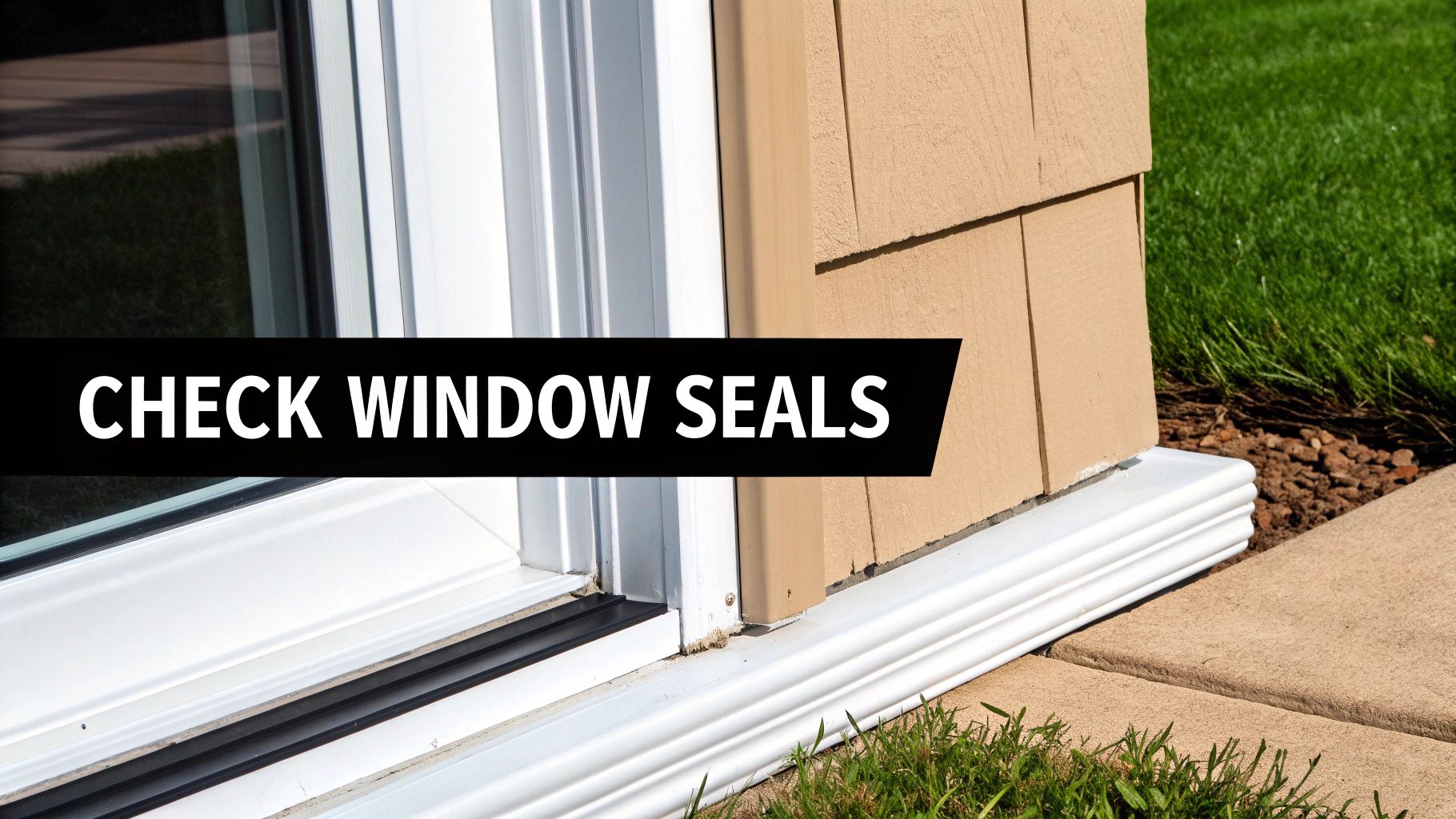
This evaluation aims to spot issues like failed window seals, wood rot in frames, deteriorated caulking, and ill-fitting doors. Catching these problems before settlement prevents you from inheriting costly repairs and ensures the home's comfort and durability from day one.
Why This Assessment is Crucial
Overlooking the exterior envelope can lead to significant problems that affect both your comfort and your wallet. For example, discovering that the seals on several large double-glazed windows have failed, indicated by condensation between the panes, allows a buyer to negotiate for their replacement, potentially saving thousands. Similarly, finding rotten timber in a door jamb during the final walk-through highlights a pathway for water and pests, a critical fix needed to protect the home’s integrity.
Actionable Inspection Tips
To conduct a thorough assessment of the windows, doors, and exterior, focus on these practical steps:
- Test Full Functionality: Open and close every window and door. They should operate smoothly without sticking or jamming. Test all locks, latches, and hardware to ensure they are secure and functioning correctly.
- Inspect Seals and Weatherstripping: Look for condensation or fogging between the panes of double-glazed windows, a clear sign of a failed seal. Check all weatherstripping around doors and windows to ensure it is intact and creates a tight seal when closed.
- Check for Damage and Decay: Carefully examine all window frames, sills, and door jambs for signs of wood rot, cracks, or water damage. Pay close attention to the exterior caulking, looking for any gaps or deterioration that could allow water infiltration.
8. Attic Space and Insulation Adequacy Inspection
The attic is often an out-of-sight, out-of-mind area, yet it plays a significant role in a home's overall health, energy efficiency, and structural soundness. A pre-settlement inspection must include a thorough evaluation of the attic space, focusing on insulation levels, ventilation, structural integrity, and any signs of leaks or pests. This part of the pre settlement inspection checklist is crucial for uncovering hidden issues that could affect your comfort and lead to expensive repairs.
This assessment aims to verify that the attic is properly insulated for the climate, adequately ventilated to prevent moisture build-up, and free from water damage or unwelcome guests. Identifying these problems before settlement protects you from future energy waste, mould issues, and structural degradation.
Why This Assessment is Crucial
An improperly maintained attic can silently drain your finances and compromise your home's structure. For instance, discovering that an attic has only a few centimetres of old, compressed insulation before you buy allows you to factor in the significant cost of an upgrade. Similarly, identifying mould growth on the underside of the roof sheathing points to a ventilation or leak issue that must be addressed immediately to prevent further damage and potential health risks.
Actionable Inspection Tips
To conduct a comprehensive attic inspection, follow these practical steps:
- Check Insulation and Ventilation: Measure the insulation depth in several places to ensure it meets recommended levels for your region. Look for signs of continuous airflow from soffit vents to ridge vents and ensure ventilation baffles are in place to prevent insulation from blocking airflow.
- Search for Leaks and Pests: Carefully inspect the roof sheathing, rafters, and around any penetrations (like vents or chimneys) for water stains, dark discolouration, or active leaks. Be on the lookout for rodent droppings, chewed wires, or nesting materials that indicate a pest infestation.
- Assess Structural Elements: Examine the roof trusses or rafters for any cracks, damage, or signs of sagging. Ensuring the structural components are sound is vital for the home's long-term stability. Properly insulating your attic is also one of the key ways you can learn how to increase home value with minimal outlay.
8-Point Pre-Settlement Inspection Comparison
| Service | Implementation complexity 🔄 | Resource requirements ⚡ | Expected outcomes 📊 | Ideal use cases 💡 | Key advantages ⭐ |
|---|---|---|---|---|---|
| Structural Integrity and Foundation Assessment | 🔄 High — may need structural engineer; sometimes invasive | ⚡ Specialist engineer, moisture meters, possible lab tests | 📊 Detects cracks, settlement, water intrusion; cost/repair estimates | 💡 Older homes, visible cracks, clay soils, after heavy rain | ⭐⭐⭐⭐⭐ Identifies costly structural defects; negotiation leverage |
| Roof Condition and Integrity Inspection | 🔄 Moderate — requires safe access and weather window | ⚡ Ladder/drone, binoculars, moisture detection tools | 📊 Identifies leaks, remaining lifespan, flashing/gutter issues | 💡 Older roofs, pre-purchase checks, after storms | ⭐⭐⭐⭐ Prevents water damage; informs replacement planning |
| Electrical System and Safety Inspection | 🔄 High — licensed electrician often required; may be invasive | ⚡ Electrician, circuit tester, panel analysis tools | 📊 Reveals faulty wiring, inadequate service, code violations | 💡 Homes with old panels, knob‑and‑tube, renovation planning | ⭐⭐⭐⭐⭐ Detects fire/electrocution hazards; critical for insurance |
| Plumbing System and Water Supply Assessment | 🔄 Moderate‑High — some issues need invasive or septic testing | ⚡ Plumber, pressure gauges, sewer camera, water tests | 📊 Finds leaks, corrosion, sewage/septic failures, water quality issues | 💡 Older plumbing, septic properties, signs of leaks or low pressure | ⭐⭐⭐⭐ Prevents water damage/mold; avoids major remediation costs |
| HVAC System Functionality and Efficiency Inspection | 🔄 Moderate — HVAC tech required; seasonal testing limits | ⚡ HVAC technician, gauges, airflow/temperature tests | 📊 Identifies end‑of‑life equipment, efficiency problems, duct leaks | 💡 Homes with old systems, comfort/efficiency concerns | ⭐⭐⭐⭐ Ensures comfort; reveals energy‑saving upgrade needs |
| Interior Walls, Ceilings, and Flooring Evaluation | 🔄 Low‑Moderate — mainly visual and simple non‑invasive tests | ⚡ Flashlight, moisture meter, lead test if needed | 📊 Detects water stains, settling cracks, cosmetic vs structural issues | 💡 Visible stains/cracks, pre‑renovation inspections | ⭐⭐⭐ Highlights hidden water/settling signs; informs repair scope |
| Windows, Doors, and Exterior Envelope Assessment | 🔄 Moderate — multi‑story or thermal testing may be needed | ⚡ Ladder/binoculars, thermal camera or blower door for energy tests | 📊 Finds seal failure, drafts, rot, flashing and weatherproofing issues | 💡 Drafty homes, energy upgrades, water intrusion concerns | ⭐⭐⭐⭐ Improves efficiency and prevents exterior water damage |
| Attic Space and Insulation Adequacy Inspection | 🔄 Low‑Moderate — requires safe attic access; insulation checks | ⚡ Flashlight, insulation gauge, PPE; possible pest inspection tools | 📊 Reveals insulation R‑value, ventilation problems, leaks and pests | 💡 High energy bills, ice dam risk, suspected roof leaks | ⭐⭐⭐⭐ Identifies energy savings and early leak/pest evidence |
From Checklist to Keys: Finalising Your Property Purchase
Completing your pre-settlement inspection is the final, crucial step before the keys to your new property are officially in your hands. It's the moment where diligence pays dividends, transforming the abstract details of contracts and reports into tangible reality. By meticulously working through this comprehensive pre settlement inspection checklist, you have moved beyond being a prospective buyer to become an informed, empowered future homeowner, ready to finalise one of the most significant investments of your life. This isn't just about ticking boxes; it's about claiming your peace of mind and ensuring the home you fell in love with is the home you actually receive.
Translating Inspection into Action
The true value of the final inspection lies in what you do with the information you've gathered. The process is a final confirmation that all agreed-upon conditions have been met and the property’s state has been maintained since the contract was signed.
- For Minor Discrepancies: Found a leaky tap, a cracked light switch, or a new scuff on the wall? These are typically straightforward issues. Your primary course of action is to document them with photos and immediately notify your conveyancer or settlement agent. They can then liaise with the seller's representative to ensure these minor repairs are rectified before the settlement date.
- For Major Issues: Discovering a significant problem, such as a failed hot water system or damage that wasn't present previously, requires a more formal approach. This is where your negotiation skills, guided by your professional team, come into play. The seller is generally obligated to hand over the property in the same condition as when it was sold. A major new issue could lead to a negotiation for a price reduction or a requirement for the seller to complete the repair at their expense.
Key Takeaway: The pre-settlement inspection is your last opportunity to hold the seller accountable for the property's condition as stipulated in the contract. Do not be afraid to raise legitimate concerns. A small issue overlooked now can become a larger, more expensive problem for you later.
Your Final Steps to the Front Door
With your inspection complete and any issues addressed, you are on the home stretch. This final phase is about communication and confirmation. Ensure your settlement agent has been formally notified that you are satisfied with the property's condition or that you have reached an agreement with the seller on any outstanding matters. This green light is what allows them to proceed with the final transfer of funds and title.
For buyers and sellers in Mandurah and its beautiful surrounding suburbs, from Halls Head to Falcon, navigating this final stage smoothly is paramount. The local property market has its unique characteristics, and having a professional who understands them can prevent last-minute hurdles. Mastering this pre settlement inspection checklist ensures your transition is not just a transaction, but a transparent and confident step into your new life. Congratulations on reaching this pivotal moment. You’ve done the hard work, and the reward – your new home – is just around the corner.
Ready to navigate the Mandurah property market with confidence? Whether you're buying your first home or selling a cherished property, ensure every detail is handled with expert care. Contact David Beshay Real Estate for unparalleled local knowledge and dedicated support through every stage of your real estate journey, from inspection to settlement.


Pingback: Property Purchase Checklist for Mandurah Buyers - David Beshay Real Estate - Beshay Realty