


Dreaming of owning a home in beautiful Mandurah is an exciting prospect, but the listed price is merely the starting point of your financial journey. Many first-time and even seasoned buyers are caught off guard by unexpected expenses that emerge both during the sale process and long after settlement. These hidden costs buying house can quickly turn a carefully planned budget upside down, causing significant financial and emotional stress. From essential pre-settlement inspections uncovering necessary repairs to post-purchase outlays for council rates or strata levies, understanding these potential costs is crucial for a smooth property transaction.
This guide is designed to demystify the process for prospective Mandurah homeowners. We will break down the 10 most significant hidden costs you are likely to encounter, providing actionable advice and local insights to help you prepare financially. By anticipating these expenses, you can avoid common pitfalls and navigate your purchase with greater confidence. Arming yourself with this knowledge ensures your dream home doesn't become an unforeseen financial burden, allowing you to focus on settling into your new coastal lifestyle. You'll gain a clear, realistic picture of the total investment required, well beyond the initial asking price.
1. Pre-Settlement Surprises: Building & Pest Inspection Findings
One of the first, and potentially largest, hidden costs buying a house can emerge well before settlement day. While a building and pest inspection is a crucial step to safeguard your purchase, its findings can reveal expensive problems that your initial budget didn't account for. Issues identified by an inspector, from significant structural defects to a termite infestation, represent real-world repair bills you will inherit upon settlement.
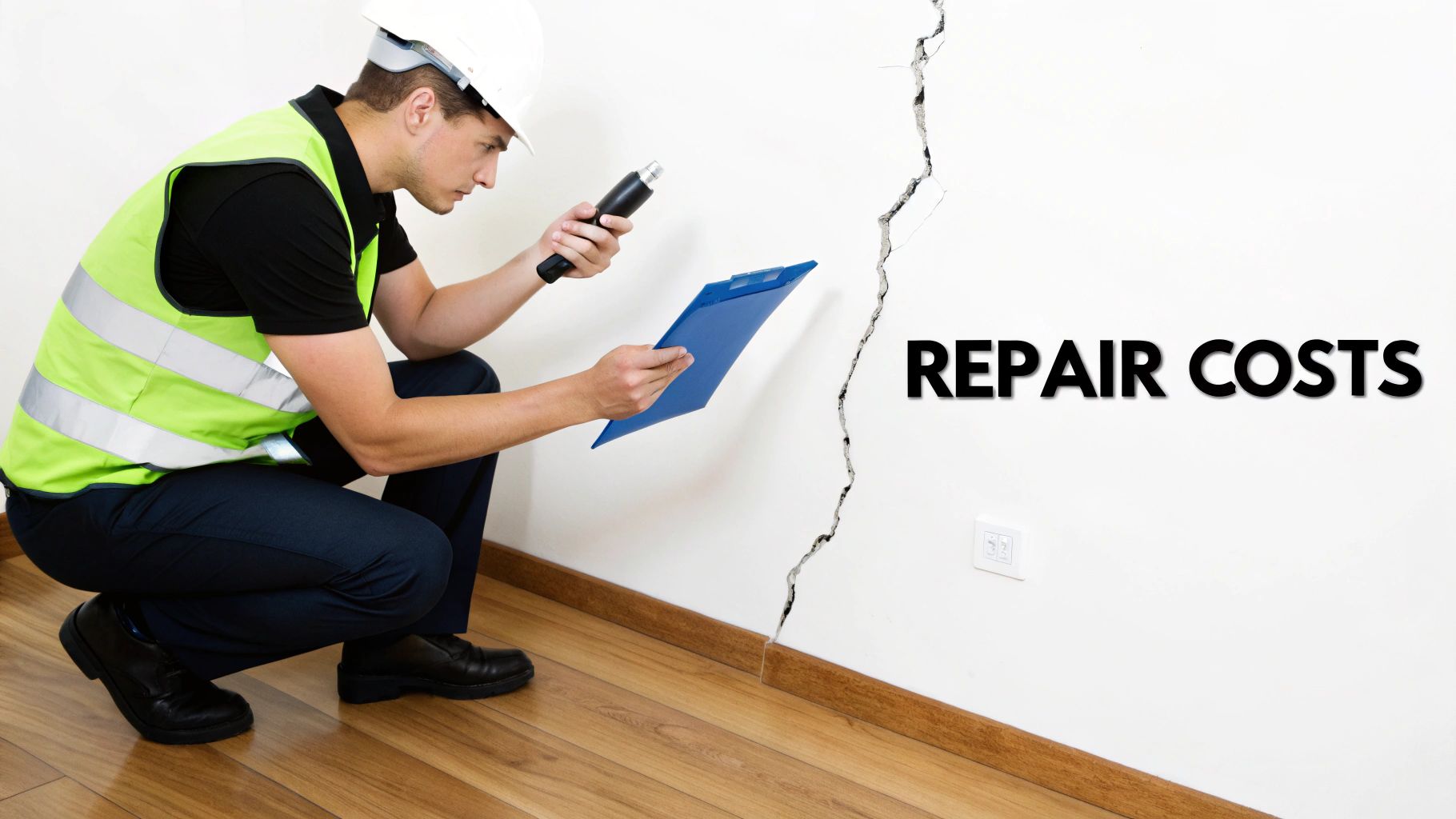
In a coastal city like Mandurah, the climate can amplify certain issues. Problems such as salt air corrosion on roofing, rising damp in older homes, and higher pest activity are more common. An eager buyer might underestimate the true cost of rectifying these issues, turning a dream home into a financial strain. For example, a full roof replacement in a suburb like Halls Head can cost between $15,000 and $30,000, while extensive termite treatment and timber repair can easily exceed $20,000.
Actionable Steps to Mitigate Inspection Costs
To protect yourself from these unexpected expenses, proactive measures are key.
- Engage a Local Expert: Always hire a licensed and insured building inspector who has specific experience with Mandurah properties. They will be familiar with common local issues.
- Get Independent Quotes: For any major defects uncovered, obtain detailed quotes from at least two qualified tradespeople. This gives you a realistic repair cost for negotiations.
- Negotiate Wisely: Consider asking for a price reduction or a seller credit at settlement instead of letting the seller manage repairs. This gives you control over the quality of the work.
- Create a Contingency Fund: Set aside at least 1% of the property's purchase price specifically for immediate post-inspection repairs or surprises.
By understanding the potential expenses involved with inspections, you can better prepare for them. Discover more about what to expect by reading this guide on the cost of building inspections in Perth.
2. Property Taxes and Council Rate Rises
Another significant hidden cost when buying a house is the potential for council rates and property taxes to be much higher than anticipated. A property's value is often reassessed by local authorities following a sale, which can trigger a substantial increase in your annual rates. This post-purchase adjustment can catch unprepared buyers by surprise, adding thousands to their yearly expenses.
For instance, what you initially budgeted based on the previous owner's rates can quickly become outdated. In areas around Mandurah, like Greenfields or Coodanup, a new, higher sale price can lead the local council to adjust the property's gross rental value (GRV), resulting in a higher rate notice. A homeowner might budget for $1,800 annually based on old records, only to receive a bill for $2,500 after settlement, a significant jump for any household budget.
Actionable Steps to Mitigate Rate Shock
To avoid this financial surprise, it's crucial to do your homework before finalising your purchase.
- Review Rate History: Ask the seller or real estate agent for copies of previous council rate notices. While not a guarantee, this provides a baseline.
- Contact the Local Council: Reach out to the City of Mandurah directly to enquire about the current rates for the property and understand their reassessment process after a sale.
- Budget Conservatively: Plan for a potential rate increase. A safe strategy is to budget for rates that are 10-20% higher than what the previous owner paid.
- Investigate Concessions: Check if you are eligible for any state or local government concessions, such as those for seniors or pensioners, which can reduce your annual liability.
3. HOA Fees and Special Assessments
Another significant hidden cost buying a house, particularly in strata-titled properties like apartments or townhouses, comes from body corporate fees and special levies. Often referred to as HOA fees in other regions, these ongoing costs cover the maintenance of common areas, building insurance, and shared amenities. While you might budget for the regular quarterly fee, unexpected special levies can suddenly demand thousands of dollars.
In Mandurah's popular canal and marina precincts, body corporate fees are standard. A special levy could be raised for urgent repairs to a shared jetty, a swimming pool upgrade, or major building remediation, easily costing each owner $5,000 to $20,000. Many buyers don't realise that a poorly managed body corporate with insufficient reserve funds is more likely to issue these large, unplanned bills, turning an affordable property into a long-term financial burden.
Actionable Steps to Mitigate Body Corporate Costs
To avoid being caught off guard, thorough due diligence into the strata company is essential.
- Scrutinise Strata Documents: Before making an offer, request and carefully review the strata meeting minutes for the past two years, the current budget, and the 10-year maintenance plan. Look for discussions of major upcoming works.
- Check the Reserve Fund: Analyse the health of the reserve fund (or sinking fund). A well-funded scheme is less likely to require a large special levy for predictable capital works.
- Question Pending Levies: Ask the seller and strata manager directly if there are any pending or proposed special levies that have not yet been formally approved.
- Budget for Increases: Don't just budget for the current fees. Assume they will increase over time and factor a buffer of at least 10-15% into your ongoing affordability calculations.
Understanding these financial obligations is critical. Dive deeper into the details by reading this guide on what body corporate fees cover.
4. Title Issues and Title Insurance Claims
Another significant hidden cost buying a house can arise from defects in the property's title. These issues, such as undisclosed easements, historical liens, or boundary disputes, aren't visible during a physical inspection but can surface years after settlement, leading to expensive legal battles. A clear title is fundamental to owning property, and any unresolved claims can jeopardise your ownership rights and financial stability.
In established areas of Mandurah with long histories, the risk of a forgotten lien or a boundary encroachment from a neighbour's structure can be higher. For instance, a previous owner’s unpaid contractor bill from a decade ago could result in an $8,000 lien against your new home. Similarly, discovering your neighbour's garage is partially on your land could lead to legal fees exceeding $15,000 to resolve the encroachment. These are not just theoretical risks; they are costly realities for unprepared buyers.
Actionable Steps to Mitigate Title Risks
Proactively investigating the property title is crucial to avoid these future financial shocks.
- Purchase Owner's Title Insurance: This is your primary safeguard, providing financial protection against most title defects that may have occurred in the past.
- Thoroughly Review the Title Report: Don’t just glance over this document. Work with your settlement agent to understand every easement, covenant, and encumbrance listed.
- Get a Property Survey: If there is any uncertainty about property lines or potential encroachments, commission a licensed surveyor to produce a definitive boundary report.
- Verify the Chain of Title: Ensure there are no gaps or questionable transfers in the property's ownership history that could cause problems later on.
Understanding your protection options is the first step. You can discover more about how to safeguard your purchase by exploring this comprehensive guide on what is title insurance.
5. Pest Damage and Termite/Pest Treatment
One of the most destructive and costly hidden costs buying a house involves dealing with pest infestations, particularly termites. Beyond the initial purchase price, you could inherit a property with active wood-boring insects, roof rats, or other pests that have already caused significant structural damage, requiring expensive treatment and extensive repairs.
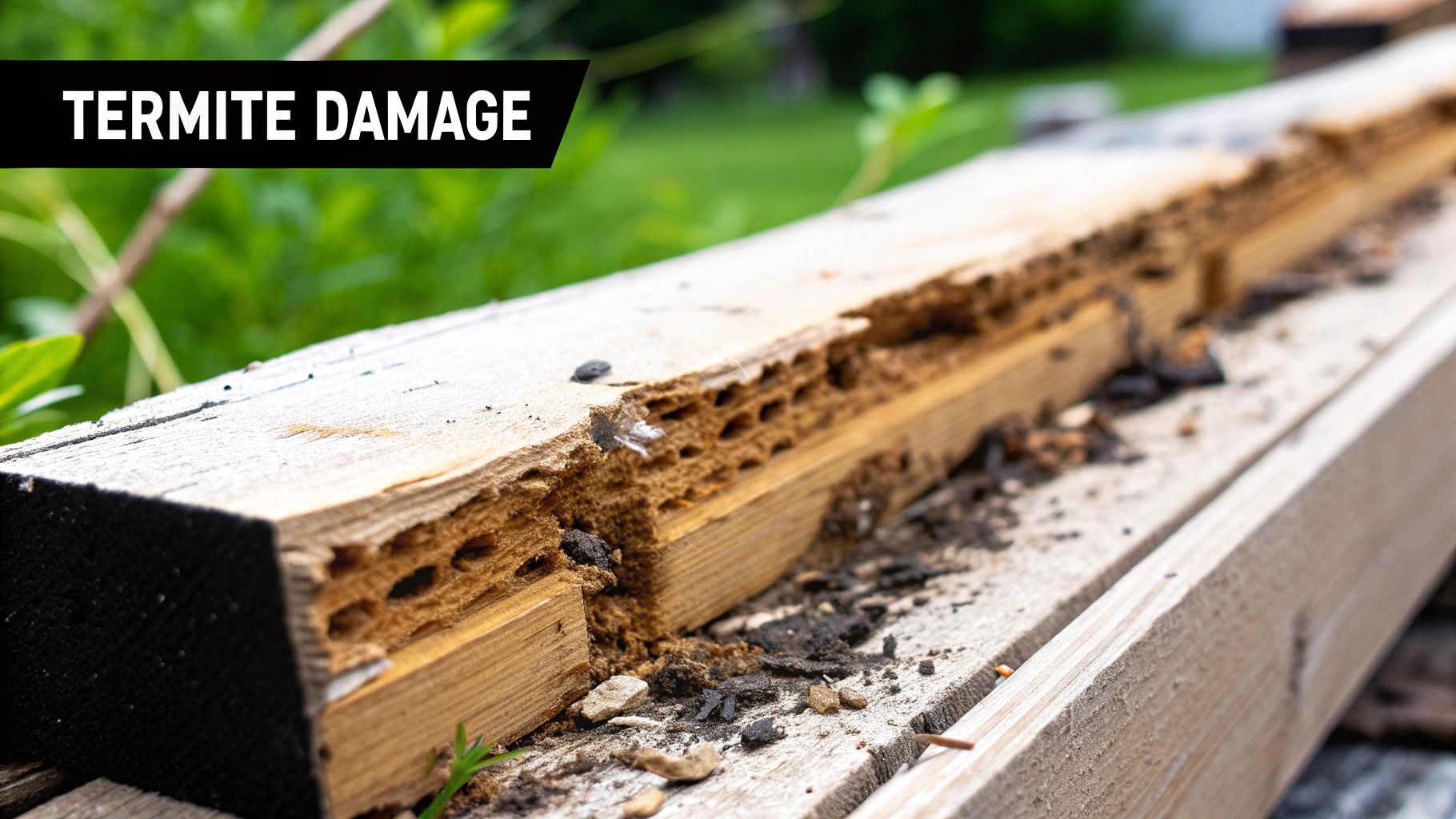
In Western Australia, subterranean termites are a common threat. A single colony can cause thousands of dollars in damage annually, often silently and out of sight. Repairing this damage could cost anywhere from $6,000 to $9,000, plus an ongoing annual treatment plan costing around $400. In many cases, lenders make mortgage approval conditional on a satisfactory pest report and may require immediate treatment if an infestation is found.
Actionable Steps to Mitigate Pest Costs
To avoid inheriting an expensive pest problem, it's crucial to be thorough during your due diligence.
- Insist on a Pest Inspection: Never skip a professional timber pest inspection. Ensure it includes a specific wood-destroying insect report.
- Obtain Detailed Quotes: If pests are found, get quotes from reputable pest control companies for both eradication and necessary structural repairs.
- Budget for Ongoing Prevention: Factor an annual pest control plan into your homeownership budget, typically costing between $300 and $600.
- Implement Preventative Measures: After moving in, keep garden beds and mulch away from the foundation, ensure proper drainage, and seal any cracks or openings to deter pests.
6. Utility Upgrades and System Replacements
Another significant hidden cost buying a house involves the home's core systems. While a standard inspection confirms that plumbing, electrical, and HVAC systems are functional at the time of purchase, it doesn't assess their age or remaining lifespan. Buyers often find themselves inheriting outdated and inefficient systems on the verge of failure, leading to massive, unplanned expenses shortly after moving in.
In many of Mandurah's older, established suburbs, homes built 30 or more years ago may still have their original systems. Replacing a failed hot water system can cost between $1,500 and $3,500, while a complete air conditioning replacement can range from $5,000 to $15,000 or more. More serious issues, like replacing old polybutylene plumbing or upgrading an entire electrical switchboard, can escalate into tens of thousands of dollars, turning your budget upside down.
Actionable Steps to Mitigate System Replacement Costs
Forecasting these expenses is crucial for financial stability after you purchase your home.
- Request System Ages: Ask the seller for the age and maintenance history of major systems like the air conditioner, hot water unit, and switchboard.
- Budget for Lifespans: As a rule, budget for major system replacements every 15-20 years. If a system is nearing this age, factor its replacement cost into your offer or savings plan.
- Get Specialist Inspections: For older homes, consider paying for a specialised inspection from a licensed electrician or plumber to get an expert opinion on the condition and remaining life of key systems.
- Prioritise Upgrades: If multiple systems are old, create a priority list. Address safety-critical items like faulty wiring first, and plan for less urgent replacements, like an inefficient air conditioner, down the line.
7. Water Damage and Mold Remediation
One of the most concerning and expensive hidden costs buying a house is the discovery of water damage and subsequent mould growth. Issues like undetected roof leaks, plumbing failures, or poor drainage can allow moisture to penetrate a home's structure, creating the perfect environment for mould. What seems like a small water stain can often signal a much larger, more costly problem hidden behind walls or under floors.
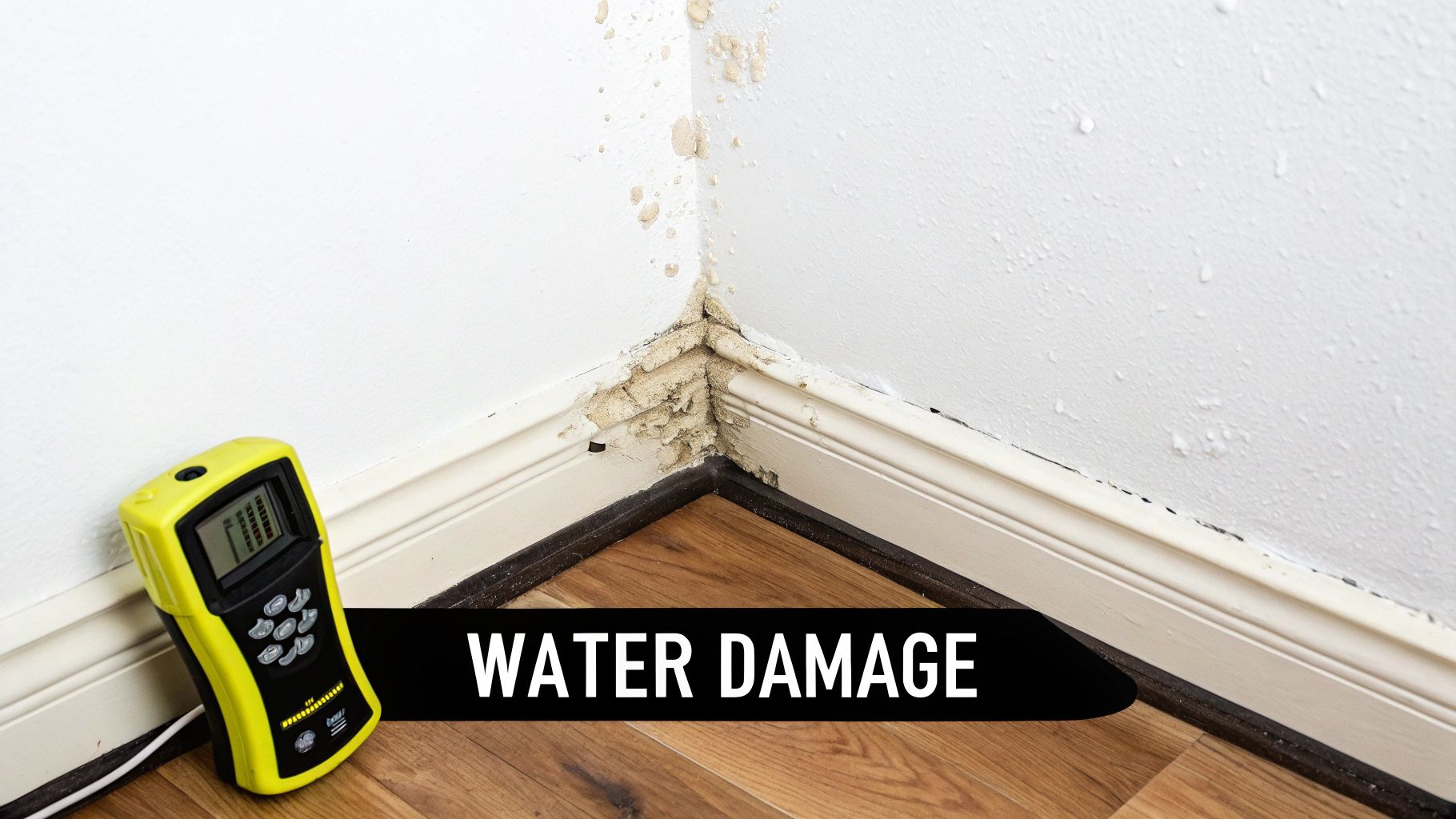
In Mandurah's climate, with its proximity to water and periods of humidity, moisture-related problems can escalate quickly. Ignoring these signs can lead to significant structural damage and health hazards. Remediation is not a simple cleaning job; it requires professional containment and removal, which can be expensive. For example, treating a significant roof leak that has led to mould in the ceiling and attic could cost anywhere from $6,000 to $12,000, while addressing widespread black mould in a damp sub-floor or crawlspace can easily exceed $10,000.
Actionable Steps to Mitigate Water Damage Costs
To avoid being caught off guard by moisture-related expenses, a thorough investigation is essential.
- Inspect Diligently: During walkthroughs, actively look for water stains on ceilings, musty odours, peeling paint, and soft spots on floors or walls.
- Get a Professional Assessment: If you have any suspicions, engage a specialist to conduct a moisture reading and mould inspection. This is separate from a standard building inspection.
- Check Key Areas: Pay close attention to the roof's condition, the sub-floor or crawlspace for any signs of dampness, and ensure the property has proper grading to direct water away from the foundation.
- Verify Insurance Coverage: Before you buy, review what a potential homeowner's insurance policy covers regarding water damage and mould, as many policies have specific exclusions.
8. Radon Mitigation and Environmental Hazards
Invisible dangers like radon gas, asbestos, and lead paint represent another category of significant hidden costs buying a house. These environmental hazards are often undetectable without professional testing but can pose serious health risks and require expensive, specialised remediation. Ignoring them isn't an option, as they can affect your family's well-being and the future resale value of your property.
While less common in Mandurah compared to other parts of the world, building materials in older homes can still contain asbestos or lead-based paint. Remediation for these hazards is highly regulated and costly. For example, professional asbestos removal can range from $5,000 to over $20,000, and comprehensive lead paint abatement for a full house can cost between $8,000 and $15,000. These are substantial, non-negotiable expenses if the materials are disturbed during renovations.
Actionable Steps to Mitigate Environmental Hazard Costs
To safeguard your health and finances, a proactive approach to environmental testing is crucial.
- Test for Specific Risks: For any home built before 1990, it is wise to test for asbestos before undertaking any renovations. If you have concerns about lead paint in a pre-1978 home, engage a specialist for an inspection.
- Budget for Remediation: If tests confirm the presence of hazards, obtain quotes from certified abatement professionals. Factor these figures into your offer or overall budget.
- Seek Seller Disclosures: Always ask the seller for any known information or previous reports regarding environmental hazards on the property.
- Document Everything: Keep detailed records of all tests, reports, and remediation work performed. This documentation is vital for future renovations and for when you eventually sell the property.
9. Foundation Problems and Structural Issues
Among the most daunting and expensive hidden costs buying a house are those related to foundation and structural integrity. Issues like significant cracking, settling, or moisture damage can compromise the entire home, leading to astronomical repair bills that often catch new homeowners completely off guard. These problems tend to worsen over time, making early detection and assessment absolutely critical.
In Mandurah's varied soil conditions, from sandy coastal patches to more reactive clay inland, foundation movement can be a genuine concern. What might look like a simple cosmetic crack could be a sign of differential settling or heaving. The cost to rectify these deep-seated problems is substantial; foundation pier repairs can range from $25,000 to $75,000, while a full foundation replacement could exceed $100,000. These are not expenses most buyers can easily absorb.
Actionable Steps to Mitigate Structural Costs
Protecting yourself from inheriting a structural nightmare requires a specialised approach during your due diligence period.
- Engage a Structural Engineer: If your building inspector flags any potential foundation issues, immediately hire a qualified structural engineer for an in-depth assessment. Their report provides definitive answers and a professional scope of work.
- Check for Telltale Signs: Look for doors and windows that stick, sloping floors, and cracks in walls, especially those wider than a hairline that run diagonally from corners.
- Obtain Specialised Quotes: Secure multiple detailed estimates from experienced foundation repair contractors. The complexity of this work means quotes can vary significantly.
- Budget Conservatively: If you proceed with a purchase knowing there are structural issues, ensure your budget includes not just the repair cost but a substantial contingency (20-30%) for unforeseen complications during the repair process.
10. Unexpected Code Violations and Permit Issues
Another significant hidden cost buying a house can surface when you discover unpermitted or non-compliant work done by previous owners. These code violations, ranging from DIY electrical wiring to additions built without council approval, become your legal and financial responsibility once the property is yours. Bringing these issues into compliance can be an expensive and time-consuming process.
In areas like Mandurah, where homeowners often add outdoor living spaces like patios or sheds, unpermitted structures are a common headache. The City of Mandurah requires building permits for most structural work to ensure safety and zoning compliance. Rectifying a non-compliant deck might cost $3,000 to $12,000, while fixing unapproved electrical work could range from $5,000 to $15,000. In severe cases, the council could even issue a work order demanding the structure be demolished.
Actionable Steps to Avoid Permit Problems
Protect your investment by investigating the property’s compliance history before you buy.
- Review Permit History: Ask the selling agent for documentation of all major renovations and additions. You can also contact the City of Mandurah's building services to inquire about the property’s permit history.
- Use a Code-Savvy Inspector: Hire a building inspector who is well-versed in local Mandurah building codes and common compliance issues.
- Check Title Reports: A comprehensive title search can sometimes reveal recorded code violations or notices against the property.
- Factor in Rectification Costs: If known issues exist, get quotes for the rectification work and use this information to negotiate the purchase price or establish a contingency fund.
10 Hidden Homebuying Costs Comparison
| Item | 🔄 Implementation complexity | ⚡ Resource requirements & cost | 📊 Expected outcomes / impact | 💡 Ideal use cases | ⭐ Key advantages |
|---|---|---|---|---|---|
| Home Inspection Repairs and Contingencies | 🔄 Moderate — repair scope varies; negotiation window (7–10 days) | ⚡ Inspections + contractor quotes; $5,000–$50,000+ | 📊 Prevents many surprises; cost overruns common | 💡 Use during inspection contingency to request credits or repairs | ⭐ Catches defects pre‑purchase; establishes baseline condition |
| Property Taxes and Assessment Increases | 🔄 Low complexity to review, high uncertainty long‑term | ⚡ Low upfront; $1,500–$6,000+/yr ongoing tax burden | 📊 Can materially raise monthly carrying costs (20–50% increases) | 💡 Review tax history and budget 1.2–1.5% of value annually | ⭐ Predictable funding for services; exemptions may reduce cost |
| HOA Fees and Special Assessments | 🔄 Low day‑to‑day complexity; high unpredictability for assessments | ⚡ Ongoing dues $100–$500+/mo; special assessments $5,000–$50,000+ | 📊 Significant impact on ownership cost and resale net | 💡 Review HOA financials, reserve study, and meeting minutes | ⭐ Maintains common areas and amenities; preserves value when solvent |
| Title Issues and Title Insurance Claims | 🔄 Variable — discovery may be immediate or years later; legal process complex | ⚡ One‑time premium $500–$2,000; legal resolution $5,000–$50,000+ | 📊 Can block sale/refinance and create major legal expense | 💡 Purchase owner’s title policy and review title report thoroughly | ⭐ Title insurance provides legal defense against many historic defects |
| Pest Damage and Termite/Pest Treatment | 🔄 Moderate — inspection can detect but hidden damage common | ⚡ Treatment $300–$900/app; repairs $1,000–$10,000+; ongoing ~$300–$600/yr | 📊 Structural and health impact; recurring maintenance cost | 💡 Require pest inspection and budget for annual treatments | ⭐ Early detection prevents spread; professional treatment effective |
| Utility Upgrades and System Replacements | 🔄 High — permits, phased work and contractor coordination | ⚡ Major systems $5,000–$50,000+ depending on scope | 📊 Improves reliability and efficiency; high upfront cost | 💡 Prioritize replacements based on age and safety during due diligence | ⭐ Modern systems reduce failures and may lower operating costs |
| Water Damage and Mold Remediation | 🔄 High — investigative and remediation phases; source control required | ⚡ Remediation $2,000–$15,000; structural repairs $5,000–$30,000+ | 📊 Health risks and structural degradation if untreated | 💡 Inspect for stains/moisture; verify insurance coverage and source fixes | ⭐ Professional remediation restores safety and prevents recurrence when source fixed |
| Radon Mitigation and Environmental Hazards | 🔄 Moderate — testing simple, remediation requires specialists | ⚡ Radon $800–$2,500 (+$150–$300/yr); other hazards $5,000–$50,000+ | 📊 Health and liability risks; can limit renovations or sale | 💡 Test for radon and inspect for lead/asbestos on older homes | ⭐ Mitigation reduces long‑term health risk; testing is definitive |
| Foundation Problems and Structural Issues | 🔄 Very high — specialized engineers and prolonged repairs | ⚡ Very high cost $5,000–$150,000+; possible temporary relocation | 📊 Major effect on safety, value, and insurability | 💡 Obtain structural engineer report and multiple contractor estimates | ⭐ Repairs prevent catastrophic failure and preserve asset long term |
| Unexpected Code Violations and Permit Issues | 🔄 High — permitting and compliance processes can be slow and bureaucratic | ⚡ Correction costs $2,000–$50,000+; potential legal/permit fees | 📊 Can block sale/refinance and reduce usable space or value | 💡 Review permit history and request documentation for major work | ⭐ Bringing work up to code improves safety and marketability |
Navigating Your Mandurah Purchase with Confidence
Purchasing a home in Mandurah, with its stunning waterways and vibrant community, is an exciting milestone. However, as we've explored, the journey from offer to ownership is often layered with financial complexities that extend far beyond the advertised price. The sticker price is merely the starting point; the true cost of acquisition involves a mosaic of inspections, fees, potential repairs, and ongoing commitments that can catch unprepared buyers by surprise.
From the critical need for comprehensive building and pest inspections to uncover issues like structural faults or termite damage, to understanding the long-term financial impact of council rates and potential strata levies in suburbs like Halls Head or Lakelands, awareness is your greatest asset. Uncovering the hidden costs buying house is not about derailing your dream but about empowering you to pursue it with clarity and financial security. Each potential cost, whether it's for mould remediation, unexpected code violations, or essential utility upgrades, represents a variable that must be factored into your budget.
Key Takeaways for a Successful Purchase
To transform these potential obstacles into manageable steps, focus on these core principles:
- Prioritise Due Diligence: Never skip professional inspections. A few hundred dollars spent on a thorough building, pest, and even structural report can save you tens of thousands in the long run. Scrutinise all documents, especially strata meeting minutes and bylaws, for any mention of upcoming special levies or known issues.
- Build a Robust Contingency Fund: The most effective shield against unexpected expenses is a dedicated contingency fund. Aim to set aside at least 3-5% of the property's purchase price. This buffer provides the peace of mind needed to handle anything from urgent roof repairs to unforeseen title insurance claims without derailing your financial stability.
- Engage Local Expertise: The Mandurah property market has its own unique characteristics. Partnering with a local real estate professional who understands regional-specific issues, such as proximity to waterways and its impact on properties, is invaluable. An expert can help you ask the right questions and interpret inspection findings within the local context.
Ultimately, mastering these hidden costs is about shifting your mindset from reactive panic to proactive planning. By anticipating these expenses, you can negotiate more effectively, budget more accurately, and step into your new Mandurah home with confidence. This foresight ensures your new property remains a source of joy and a sound investment, rather than a well of unforeseen financial burdens. Your dream home is within reach when you arm yourself with knowledge and prepare for the complete financial picture.
Ready to navigate the Mandurah property market with an expert guide who prioritises transparency? David Beshay Real Estate specialises in helping buyers uncover and plan for every potential cost, ensuring a smooth and confident purchase. Contact David today for a comprehensive consultation and turn your property aspirations into a reality. David Beshay Real Estate

